
Lieferung heute & morgen

Qualitätsgarantie

Willkommens-Angebote freischalten: KOSTENLOSE Lieferung | Bis zu 80 % RABATT | Kostenlose 30-Tage-JoyPlus-Testphase
App herunterladen
When you buy red wine online, you’re quickly faced with a wealth of origin labels, grape varieties and quality classifications. Terms like Saint-Émilion Grand Cru, Rioja Reserva or Amarone della Valpolicella sound impressive, but on their own they don’t tell you whether a wine will suit your taste, your meal or the occasion.
Three common buying mistakes often lead to the wrong choice:
For adults aged 18 and over, please also remember: alcoholic drinks are not suitable for pregnant women and should be consumed responsibly. Red wine typically contains sulphites, which must be listed as an allergen on the label.
The term dry is a good starting point, but it’s not a complete flavour description. A Merlot red wine often tastes fruity and smooth, while a Pinot Noir red wine usually has more pronounced acidity and a finer structure. A Tempranillo red wine can show fruity-spicy notes, especially if it has been aged in oak barrels.
Other grape varieties can also help you narrow down your choice:
A French red wine from Bordeaux, an Italian red wine from Veneto or a Spanish red wine from Rioja all follow different regional traditions. A Portuguese red wine from the Dão region, for example, may use different grape varieties and a different ageing process.
Terms like Reserva, Riserva or Grand Cru are regulated within their respective origin systems, but they don’t equate to a uniform flavour profile. A Rioja Reserva, for instance, has a specified ageing period. According to the product details, the Barón de Ley Reserva Rioja DOCa is aged for 20 months in American oak barrels and a further 24 months in bottle. If you want to avoid oaky notes, it’s worth checking such details before you buy.
The vintage also deserves attention: a vintage wine differs from an NV wine (a wine without a declared vintage). For larger orders, the available bottling may change, so it’s a good idea to check the current product data sheet.
The alcohol content affects the mouthfeel and the food it pairs best with. In our selection, you’ll find wines with 13% ABV, 13.5% ABV, 14% ABV and, for Amarone, even 15.5% ABV. A higher alcohol content can go hand in hand with a fuller style, but it’s not a reliable indicator of quality.
Serving temperature is also worth considering:
A red wine 6-pack with six 0.75-litre bottles contains 4.5 litres in total. The Grand Sud Merlot comes as six 1-litre bottles. For private parties, regular guests or catering purposes, this can be very practical. For a red wine as a gift, however, a single 0.75-litre bottle with clear origin and ageing details is usually more suitable.
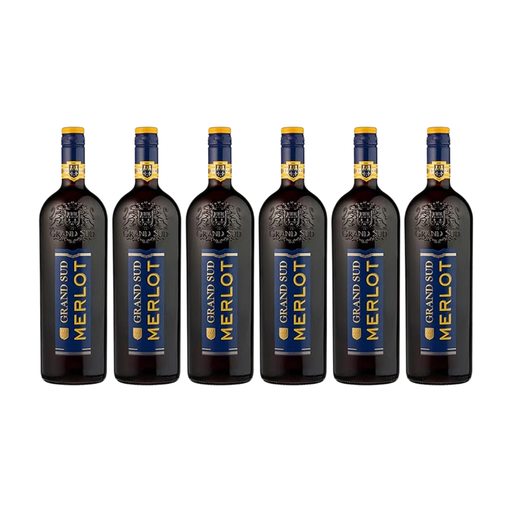
Why this product fits the profile: The six 1-litre bottles are ideal for everyday meals, guests and buyers looking for a dry Merlot for multiple occasions.
The product details clearly state dry, Merlot, 13% ABV and a recommended serving temperature of 16–18 °C.
Six 1-litre bottles, French origin and specific food pairing suggestions including poultry, grilled dishes and cheese.
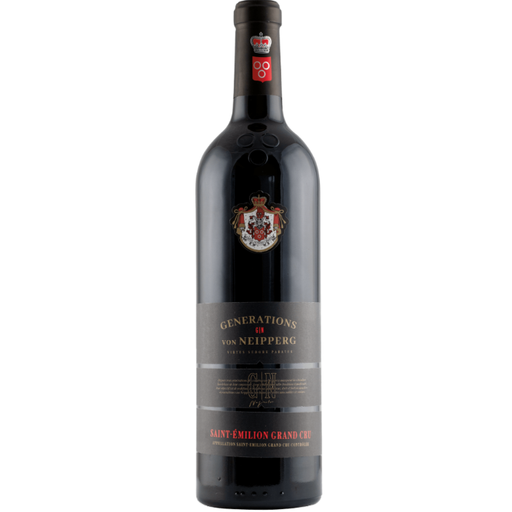
Why this product fits the profile: This Bordeaux cuvée of Cabernet Franc and Merlot is aimed at buyers who prioritise origin, grape blend and a structured style.
The selection is based on clear details: dry, 13% ABV, organic, origin on the right bank of Bordeaux and a serving temperature of 18 °C.
A cuvée of two regional grape varieties and, according to the product description, a velvety, rich profile.
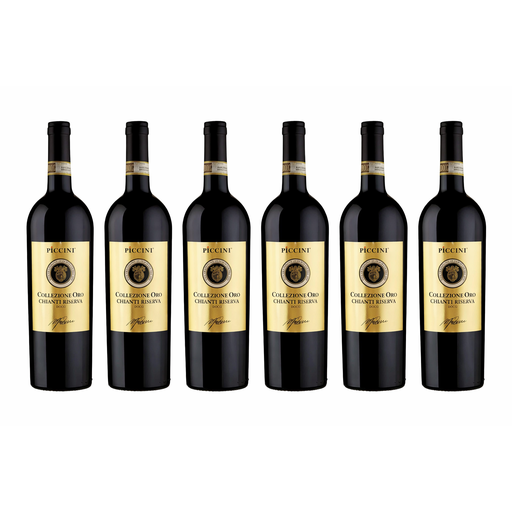
Why this product fits the profile: This Italian red wine in a six-pack is designed for hosts and regular drinkers who want to serve dry Chianti with pasta, grilled dishes or spicy sauces.
Grape varieties, ageing, alcohol content of 13.5% ABV and serving temperature of 18 °C are all stated in the product information.
Six 0.75-litre bottles and a clearly described ageing process in barriques and oak barrels.
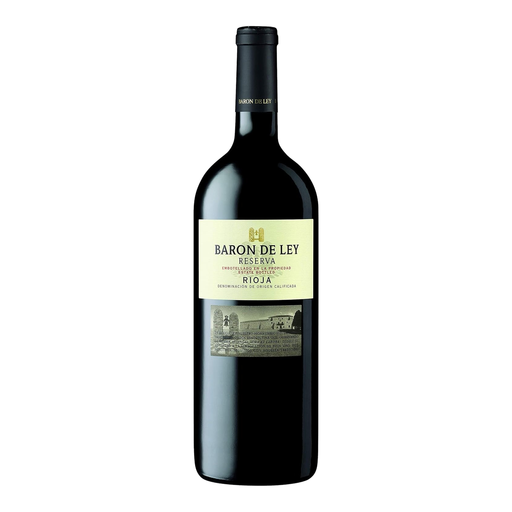
Why this product fits the profile: This single Spanish bottle is ideal for an occasion where origin, ageing details and classic food pairings really matter.
Reserva, Rioja DOCa, grape varieties and barrel ageing are all specifically stated, rather than relying on vague marketing claims.
0.75 litres, 14% ABV and recommended pairings with roast meat, game, pasta and beef.
We’ve put together a full, regularly updated list of products that meet these strict selection criteria and all applicable EU safety regulations.
First, check the dryness level, then look at the grape variety, origin and alcohol content. For a fruitier, more approachable style, Merlot can be a good direction. If you prefer spicy, structured wines, compare Tempranillo, Chianti Riserva or a Bordeaux cuvée. Thinking about the specific food you’ll pair it with will also help narrow things down.
Once opened, red wine changes through contact with oxygen. Reseal the bottle and store it in a cool, dark place. The exact shelf life depends on the type of wine, how much is left and the storage conditions. Any product instructions such as “consume within a few days” should be followed.
That can only be judged by looking at the total price, the bottle volume and any delivery costs. Compare the price per litre and consider whether you’ll drink six bottles within a reasonable time. For parties or regular entertaining, a multi-pack can be more practical than placing several single orders.