
Lieferung heute & morgen

Qualitätsgarantie

Willkommens-Angebote freischalten: KOSTENLOSE Lieferung | Bis zu 80 % RABATT | Kostenlose 30-Tage-JoyPlus-Testphase
App herunterladen
If you want to buy red wine online, you'll quickly find a huge selection from Spain, Italy, France, Portugal and Germany. Product pages often mention the grape variety, ageing method and flavour profile – but these details aren't always directly comparable. That's why it's essential to check the key information before you buy and to put marketing terms into proper context.
Terms like "full-bodied", "intense" or "rich" usually describe the wine's body and aromatic impact, not its residual sugar content. If you're looking for a dry red wine, you should specifically look for the "dry" label. A high alcohol level or extended barrel ageing can make a wine seem powerful, but that alone tells you nothing about its sweetness.
A Tempranillo red wine from Rioja can taste very different from a Tempranillo grown in another Spanish region. The same applies to Merlot red wine, Pinot Noir red wine or Carmenère red wine. Climate, soil, yield and ageing method all influence the style. So alongside the grape variety, the region of origin should also be stated on the label.
A red wine in a 6-pack can be practical for catering, events or regular consumption. For a single occasion or a gift, a 0.75-litre bottle is often more suitable. Before ordering, check the number of bottles, total volume, vintage year or "NV" for non-vintage bottlings, and any storage instructions.
Look for the "dry" taste description as well as the alcohol content. For the wines featured here, values range between 13 and 15.5% ABV, for example. A higher alcohol level can make the wine feel warmer and fuller-bodied, but it isn't a standalone measure of quality.
Wine typically contains sulphites, namely sulphur dioxide and sulphites. These must be declared and should appear in the allergen information on the product page. If you need to avoid certain ingredients, check the details provided by the individual producer and importer before purchasing.
Barrique or oak barrel ageing can add extra notes such as vanilla, spice or toast. A Chianti Riserva, for example, is often aged for longer than a simple table or country wine. The recommended serving temperature for many full-bodied red wines is between 16 and 18 °C. Amarone della Valpolicella, with its higher alcohol content and concentrated style, may be better suited to special occasions.
For storage, choose a cool, dry, dark place with as consistent a temperature as possible. Once opened, a bottle should be consumed within a few days, depending on the wine and closure type.
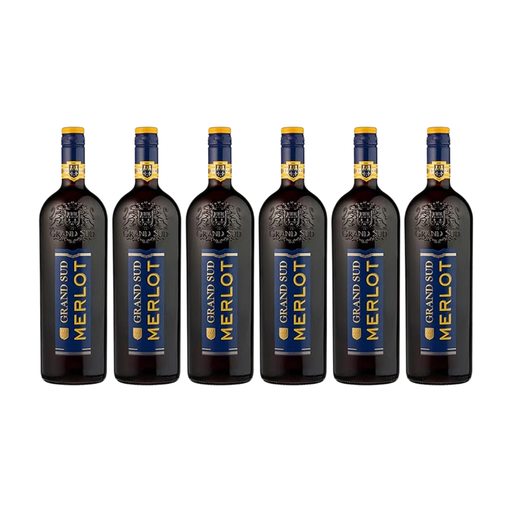
Why this product fits the profile: The 6-bottle format with six 1-litre bottles is ideal for everyday meals, parties and households with higher demand. The wine is labelled as dry and comes from France.
The product details clearly state the taste profile, grape variety, origin, quantity and serving temperature. This makes it easy to compare with other dry red wines.
Six 1-litre bottles, 13% ABV, Merlot from Pays d'Oc and clearly stated food pairing recommendations.
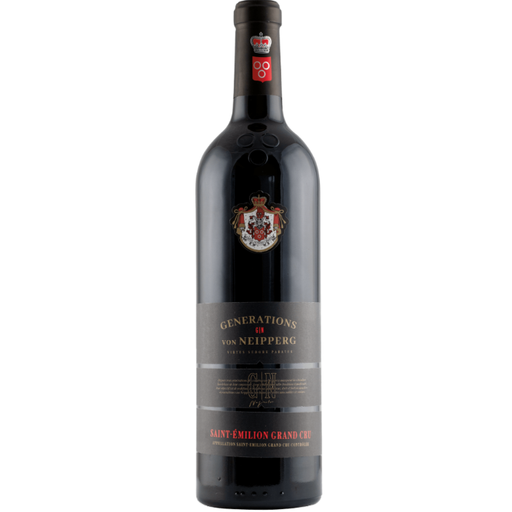
Why this product fits the profile: This French cuvée of Cabernet Franc and Merlot is described as dry, velvety and rich. The single 0.75-litre bottle is perfect for a planned dinner or as a red wine gift.
The origin (Right Bank, Bordeaux), the grape varieties, the 13% ABV alcohol content and the recommended serving temperature of 18 °C are all clearly stated.
Organic certification, a cuvée of two typical regional grape varieties and a single bottle with a clear serving recommendation.
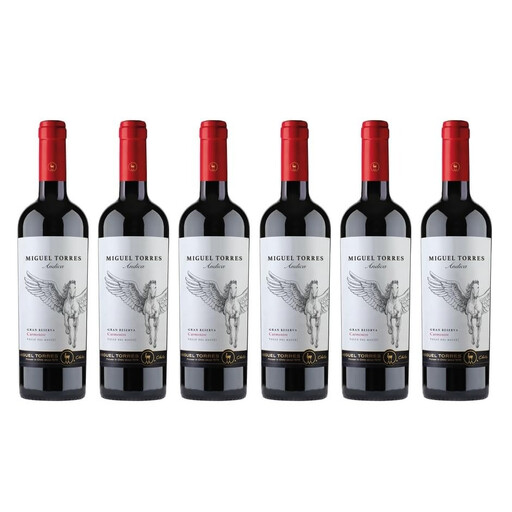
Why this product fits the profile: This organic red wine multi-pack is aimed at buyers looking for an international grape variety to pair with grilled dishes, hearty pasta or cheese, and who need several bottles.
The pack size of six bottles, 13.5% ABV, the Carmenère grape variety and the sulphite warning are all clearly indicated.
Six 0.75-litre bottles, organic certification, Carmenère as the defining variety and specific food pairing suggestions.
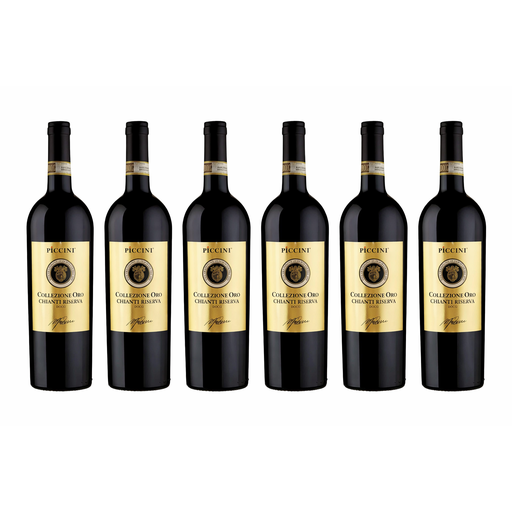
Why this product fits the profile: This dry Italian cuvée of Sangiovese and Cabernet is designed for pasta with spicy sauce, grilled dishes and social gatherings.
The details state DOCG, grape varieties, six bottles, 13.5% ABV and a serving temperature of 18 °C. This makes the origin and intended use clear.
Chianti Riserva with DOCG classification, 6-pack and declared oak and bottle ageing.
We've put together a full, regularly updated list of products that fully meet these strict selection criteria and the safety regulations in force across the EU.
For red wine from Spain, alongside Rioja you could also look at Tempranillo bottlings from Catalunya or Castilla. The Barón de Ley Reserva Rioja DOCa is made predominantly from Tempranillo and, according to the product details, is aged in American oak and then in bottle. For a more straightforward 6-pack, the Torres Coronas Tempranillo Catalunya DO or the Bodegas Rasgón Tempranillo are worth considering.
If you prefer red wine from Italy, you can choose between Chianti Riserva, Merlot from Veneto and Amarone. The Bolla Le Origini Amarone della Valpolicella Classico Riserva DOCG has 15.5% ABV and is aged in barrique. Red wine from France ranges from Merlot from Pays d'Oc to Saint-Émilion Grand Cru. For red wine from Portugal, the Vinha Maria Premium Tinto from the Dão region is an option, made with Touriga Nacional, Alfrocheiro and Tinta Roriz.
Check the "dry" taste description directly in the product data. The grape variety, origin, alcohol content and food pairing suggestions can also help you decide. Terms like "full-bodied" or "velvety" do not replace the legal taste classification.
A 6-pack can offer a lower price per bottle, but it only makes sense if you actually need that quantity. Compare the total price, bottle volume and delivery costs. For catering, events or everyday meals, a multi-pack can be very practical.
Store unopened bottles in a cool, dry, dark place with a consistent temperature. Once opened, the wine should be resealed and drunk within a few days. The exact recommendation can vary depending on the closure type, style and product.