
Lieferung heute & morgen

Qualitätsgarantie

Willkommens-Angebote freischalten: KOSTENLOSE Lieferung | Bis zu 80 % RABATT | Kostenlose 30-Tage-JoyPlus-Testphase
App herunterladen
Anyone looking to buy red wine will find a wide selection online from France, Italy, Spain, Germany, Austria and overseas. However, the product page does not always make it immediately clear whether a wine suits your own taste, your menu or the quantity you need. A high price, a renowned origin or eye-catching packaging are not reliable selection criteria on their own.
That is why our selection follows clear, comparable details such as grape variety, flavour profile, alcohol content, bottle size, origin and allergens.
Cabernet Sauvignon, Merlot, Tempranillo, Shiraz, Zweigelt, Carmenère and Zinfandel differ in fruitiness, acidity, tannins and body. For example, a French red wine from Bordeaux may be a blend of Cabernet Franc and Merlot, while an Italian red wine often uses different regional grape varieties. Simply buying based on the country of origin therefore does not automatically guarantee the flavour profile you want.
The terms dry red wine, medium-dry red wine and sweet red wine do not simply describe the wine’s intensity. A medium-dry red wine can taste fruity and soft, while a dry wine is more strongly characterised by acidity and tannins. The alcohol content, for example from 11 to 14.5 % vol., also affects the mouthfeel and which dishes the wine pairs with.
A single 0.75-litre bottle is suitable for dinner or as a gift. A 6-bottle pack of red wine is more practical if you are expecting several guests or regularly serve wine. A 375-millilitre bottle, such as the Chinese ice wine, is a smaller serving size intended for a different purpose.
A German red wine from Baden, an Austrian red wine from Carnuntum and a Spanish red wine from Rioja represent different regional traditions. The origin should therefore be considered alongside the grape variety. For a Saint-Émilion Grand Cru from France, the wine’s exact designation is also relevant, not just the Bordeaux region.
Australian red wine, Hungarian red wine and wines from China can also offer distinctive profiles. With Chinese ice wine, the production method is particularly important: according to the product description, Vidal grapes are harvested frozen on the vine in the Liaoning region. This explains the smaller bottle size and pronounced sweetness.
Look for specific descriptions such as “dry”, “sweet” or “medium-dry”. Details about maturation also provide clues to the style:
The recommended temperature is also important. According to the product details provided, full-bodied dry red wines are usually recommended at 16 to 18 °C. Sweet Chinese ice wine, on the other hand, should be served well chilled at 4 to 10 °C.
Before buying, compare 0.75 litres, 1 litre, 375 millilitres or the total quantity in a multipack. The alcohol content is stated on the product label. For the wines listed, sulphites or sulphur dioxide are also named as declarable allergens. This applies to organic red wine too. The information on the relevant product page and label is authoritative.
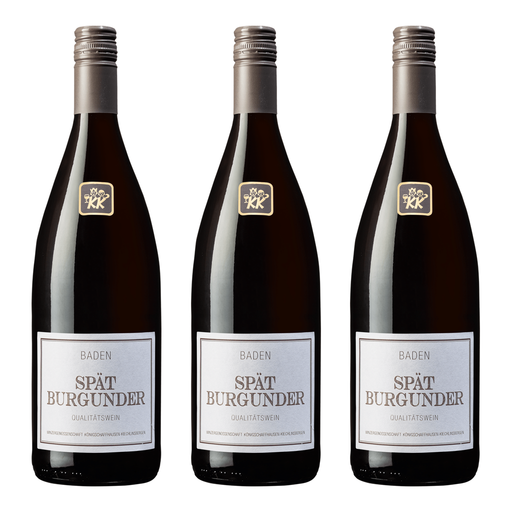
Why this product suits this profile: Three 1-litre bottles offer a practical quantity for social gatherings. The sweet style and fruity character may be more approachable for beginners.
The clear indication of “sweet”, 12 % vol. and 1 litre per bottle makes it easier to plan quantities and flavours.
3 x 1 litre, screw cap, matured in stainless-steel tanks and sourced from Baden.
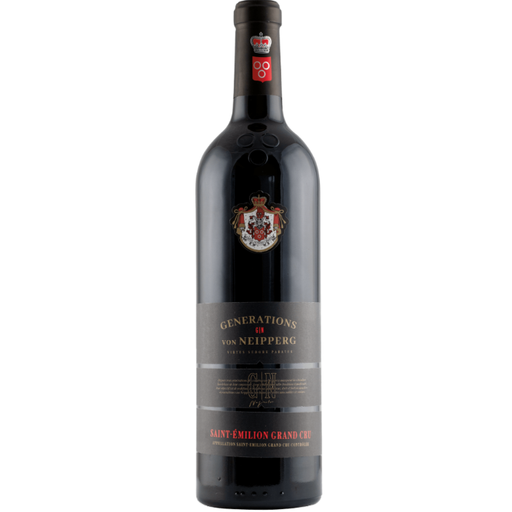
Why this product suits this profile: According to the product description, this Cabernet Franc and Merlot blend comes from Saint-Émilion on Bordeaux’s right bank and is dry, velvety and full-bodied.
The grape varieties, origin, organic certification, alcohol content and serving temperature are all clearly stated.
0.75 litres, 13 % vol., dry style and a recommended serving temperature of 18 °C.
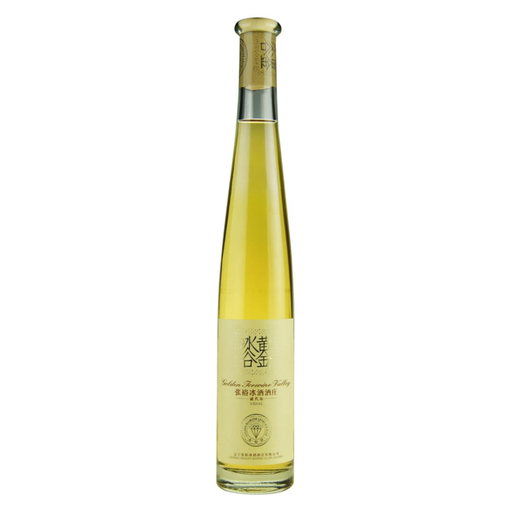
Why this product suits this profile: This Chinese ice wine is intended to be enjoyed chilled with cheese, fruit desserts or as a small finishing course to a meal.
The small 375-ml bottle and recommended serving temperature of 4 to 10 °C make its specific purpose clear.
Vidal grapes, 12 % vol. according to the product details, a chilled serving suggestion and a clear sulphite warning.
We have put together a complete, regularly updated list of products that fully meet these strict selection criteria and the safety regulations applicable in the EU.
In Germany, alcoholic drinks may only be sold to people aged 18 or over. Please follow the information on the label and enjoy responsibly. Alcoholic drinks should be avoided during pregnancy.
Unopened bottles should be stored in a cool, dry place away from direct sunlight. Bottles with natural corks can be stored horizontally. Bottles with screw caps can be stored upright. Significant fluctuations in temperature should be avoided.
It depends on the style. For many dry, full-bodied red wines, 16 to 18 °C is recommended. A sweet or medium-dry red wine may be served cooler, depending on the product. At 4 to 10 °C, ice wine belongs to a category of its own.
A 6-bottle pack can be worthwhile if you are hosting several guests, need a consistent wine for meals or serve wine regularly. For occasional events or when trying a new grape variety, a single 0.75-litre bottle is usually more flexible.