
当日/次日达

品质保障

开启新人专享福利: 全场免邮 | 低至 2 折 | 免费试用 30 天 JoyPlus 会员
下载 Joybuy
The world of rice cakes is more diverse than many people assume. It ranges from the soft, chewy cylinders for authentic Korean tteokbokki and crispy Asian snacks to the light, puffed rice cakes popular as a snack in the West. However, this variety can also lead to confusion and misguided purchases. As a Joybuy Product Recommendation Officer, I'll help you separate the wheat from the chaff and find the perfect product for your needs.
Before you buy rice cakes again, you should be aware of the most common pitfalls that often lead to disappointment:
To avoid these pitfalls, you should check three core parameters before buying. These will help you make an informed decision that perfectly matches your needs.
This is the most fundamental distinction. Are you looking for an ingredient for a dish or a ready-to-eat snack?
The ingredients list is your most important tool for assessing a product's quality. Pay attention to the following points:
Asian snacks offer a huge variety of flavours, which are heavily influenced by their region of origin.
Instead of making a one-size-fits-all recommendation, we have selected products that meet specific needs and avoid the pitfalls mentioned above.
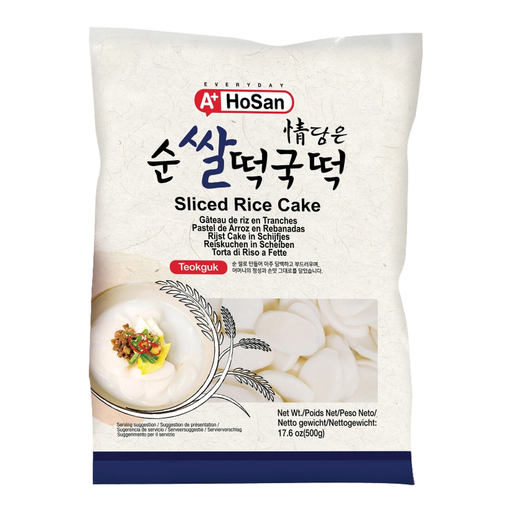
Why This Fits Their Persona: Ideal for anyone who wants to prepare authentic Korean dishes like Tteokguk (rice cake soup) or Tteokbokki at home. This product is a cooking ingredient, not a snack.
This product bypasses the 'Authenticity Trap' as it is explicitly designed for cooking and develops the correct chewy texture when cooked, rather than crumbling like a cracker.
Versatile for use in soups and stir-fries. The product is also labelled as gluten-free, vegetarian, and vegan.
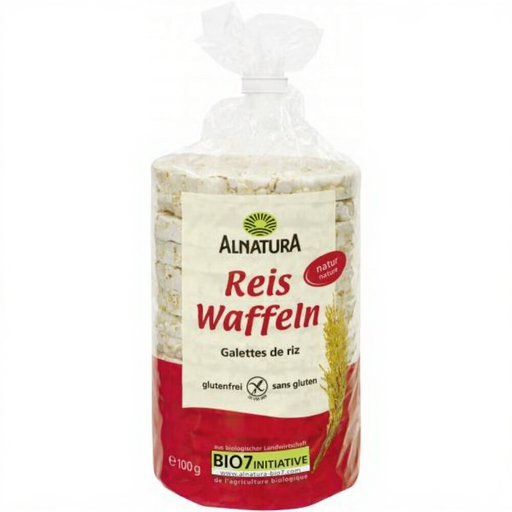
Why This Fits Their Persona: Perfect for health-conscious consumers and families looking for a pure, unprocessed snack base. Ideal as a light alternative to bread with sweet or savoury toppings.
This product avoids the 'Health Trap' through maximum transparency. According to the manufacturer, it consists of 100% organic whole-grain rice, with no added sugar, salt, or other additives.
Certified organic (BE-BIO-02), vegan, and naturally gluten-free. Its neutral base allows for versatile use.
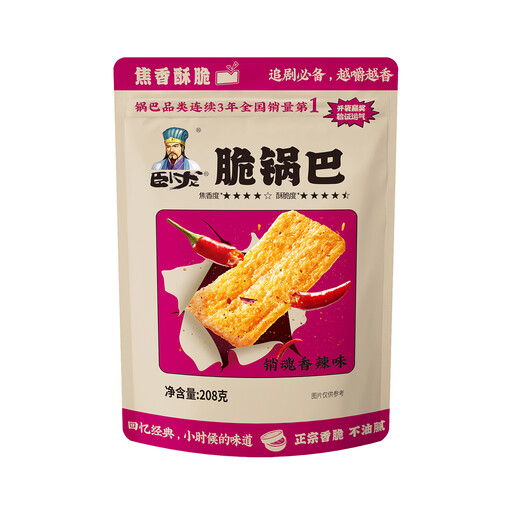
Why This Fits Their Persona: For adventurous snack lovers seeking an intense and authentically spicy flavour experience. This is not a mild snack, but a statement.
This product is honest in its positioning. It doesn't promise health benefits but delivers exactly what its name suggests: an extremely spicy and crispy snack.
Made from a blend of different grain flours for a complex texture. The seasoning with chilli and spices provides an authentic, powerful heat.
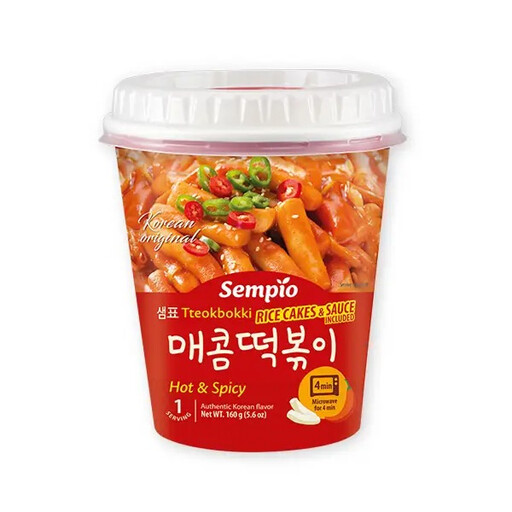
Why This Fits Their Persona: A convenient solution for professionals, students, or anyone who wants to enjoy a warm, spicy, Tteokbokki-style meal quickly and easily.
This product solves the problem of having to find the right rice cakes and the matching sauce separately. It's an all-in-one solution that offers consistency and convenience.
Extremely quick to prepare, often in just a few minutes in the microwave. The flavour is tailored to the Western palate but still offers an authentic Tteokbokki experience.
We have compiled a complete, up-to-date list of products that fully meet these strict selection criteria.
The main difference lies in their production and purpose. Korean rice cakes (Tteok) are made from steamed rice flour, which gives them a dense, chewy texture. They are a raw ingredient that needs to be cooked. Puffed rice cakes, on the other hand, are made from puffed rice, making them light, airy, and crispy. They are a ready-to-eat snack.
Crispy products like rice crackers and puffed rice cakes should be stored in an airtight container in a cool, dry place after opening to prevent them from absorbing moisture and becoming soft. Fresh, uncooked rice cakes (Tteok) should be refrigerated after opening and consumed within a few days. Many varieties can also be frozen.
No, this is a common misconception. Although the base is rice, many seasonings, especially those based on soy sauce, contain wheat and therefore gluten. Individuals with coeliac disease or gluten intolerance should always check the allergen information on the packaging carefully or specifically look for products certified as gluten-free.