
Same-day & Next-day Delivery

Quality Guaranteed

Unlock Your Welcome Offers: FREE Delivery | Up to 80% OFF | Free 30-day JoyPlus trial
Download the APP
Whether you're preparing authentic Asian desserts or looking for a gluten-free flour alternative, you're often faced with a shelf full of options. However, trying to buy the right rice flour can quickly lead to confusion and purchasing mistakes. Many products look similar but have fundamentally different properties that can make or break your recipe.
Before you make a decision, it's helpful to know the most common pitfalls that lead to disappointment in the kitchen:
To avoid these mistakes, it's important to understand the basic parameters that define a rice flour.
Choosing the right rice flour doesn't depend on marketing claims, but on objective product characteristics. Pay attention to the following three criteria to ensure you find the right product for your needs.
The most important distinction is between regular rice flour and glutinous rice flour. The difference lies in the starch content of the rice variety used.
The fineness of the flour affects the texture of the final product. A very finely ground flour, often produced through a water-milling process, dissolves better in liquids and creates a smoother, more delicate consistency. This is particularly advantageous when preparing fine desserts or steamed cakes. Look for product descriptions that indicate a fine grind.
For individuals with gluten intolerance, checking the label is essential. A product may consist of 100% rice, but if it's processed in a facility that also handles wheat, there is a risk of cross-contamination. Look for explicit warnings like "May contain traces of gluten." Trustworthy brands like Cock Brand Rice Flour or Erawan Rice Flour often provide detailed information on ingredients and allergens, which simplifies the selection process.
Instead of making a blanket recommendation, we have identified products tailored to specific needs and user profiles.
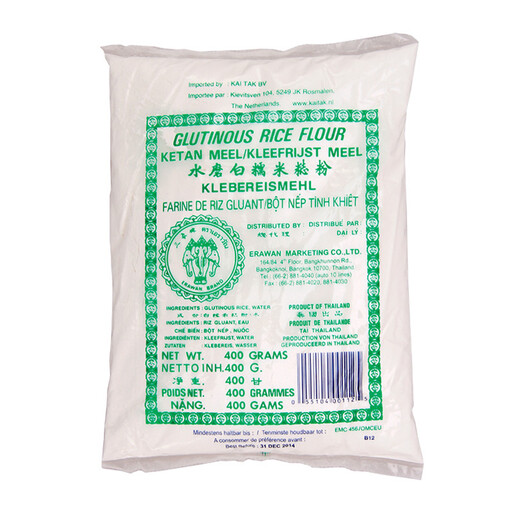
Why This Fits Their Persona: Ideal for first attempts at making mochi, tangyuan, or other sticky rice desserts. The pure composition and reliable texture make it a foolproof choice for beginners aiming for an authentic result.
The clear labeling as "Glutinous Rice Flour" prevents the common mix-up with regular rice flour. The explicit allergen information also provides clarity and safety.
Consists only of glutinous rice and water, which guarantees high purity. Delivers the authentic, sticky-chewy texture that is crucial for many Asian desserts.
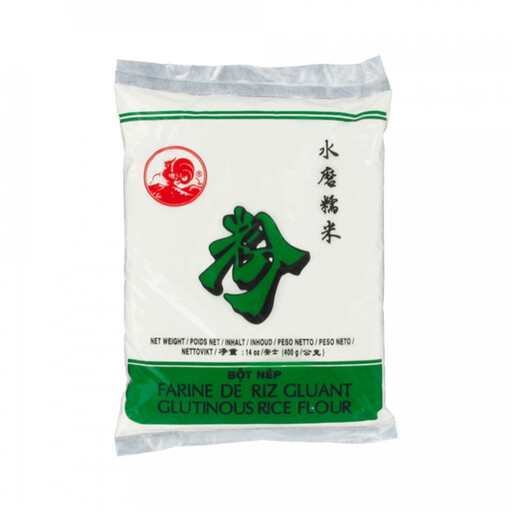
Why This Fits Their Persona: Experienced cooks appreciate the consistent quality of this well-known brand. It is a staple in Asian cuisine and delivers reliable results for a wide variety of traditional recipes.
As an established, authentic brand, it bypasses the trap of overpriced and repackaged "specialty" items. Here, you get proven quality specifically developed for Asian cuisine.
Proven brand quality for consistent cooking and baking results. The fine grind ensures an exceptionally smooth texture in desserts and doughs.
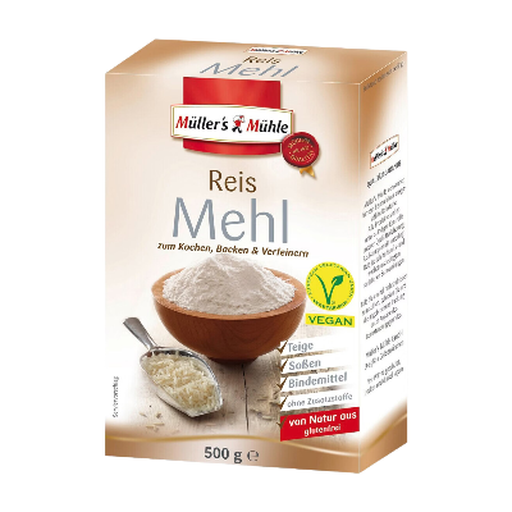
Why This Fits Their Persona: This flour is a versatile all-rounder for the gluten-free kitchen. It is ideal as a substitute for wheat flour for thickening sauces, for soups, or as an ingredient in gluten-free baking mixes.
It is clearly positioned as regular rice flour, preventing mistaken purchases for sticky desserts. The transparent "May contain traces of wheat" warning is an honest approach to cross-contamination.
Versatile for general cooking and baking. Made by a well-known German company known for its quality standards.
We have compiled a complete, up-to-date list of products that fully meet these strict selection criteria and quality requirements.
1. Can you substitute rice flour and glutinous rice flour 1:1? No, a one-for-one substitution is not recommended. Regular rice flour creates a light, crumbly texture, while glutinous rice flour provides a chewy, elastic, and sticky consistency. Using the wrong type will fundamentally change the outcome of your recipe and likely lead to failure.
2. What is regular rice flour best for? Regular rice flour is an excellent all-rounder in the gluten-free kitchen. It can be used to thicken sauces and soups, as it is flavor-neutral. It is also well-suited for making crispy batters for frying or as a component in gluten-free baking mixes for bread and cakes.
3. How should rice flour be stored to maximize its shelf life? Rice flour should be stored in a cool, dry place, away from direct sunlight. After opening, it is advisable to transfer the flour to an airtight container. This protects it from moisture, foreign odors, and pests, and preserves its freshness.