
Lieferung heute & morgen

Qualitätsgarantie

Willkommens-Angebote freischalten: KOSTENLOSE Lieferung | Bis zu 80 % RABATT | Kostenlose 30-Tage-JoyPlus-Testphase
App herunterladen
If you’re looking to buy rice vinegar, you’ll find plenty of products from Japan, China and Korea online. Their names can look very similar, but their ingredients and uses can differ considerably. A mild Japanese rice vinegar isn’t automatically right for every marinade, and ready-seasoned sushi vinegar is not the same as plain rice vinegar for cooking.
Plain rice vinegar is made primarily from fermented rice ingredients and water, and may also contain salt or other ingredients, depending on the product. Sushi vinegar, by contrast, is usually already seasoned with sugar and salt. This makes it easier to season sushi rice, but less versatile for other uses.
If you use sushi vinegar in the same way as unseasoned vinegar, you may unintentionally make salads or marinades sweeter and saltier. If you want an all-rounder for your kitchen, it’s important to check the ingredients list.
A “mild” flavour description doesn’t automatically correspond to a specific acidity level. Figures such as total acidity, for example 3.5° or 5.5%, are more informative. A lower figure may indicate a gentler taste, while a higher acidity level can work well in marinades, pickled vegetables or robust sauces.
Acidity information should not be taken as a medical or therapeutic claim. It describes a product characteristic only.
Claims such as “0 Addition” or “no additives” should be checked against the full ingredients list. Sugar, salt, alcohol or cereal ingredients aren’t necessarily artificial additives, but they can affect flavour, allergens and nutritional values. When buying rice vinegar without additives, check the following in particular:
Japanese rice vinegar is often relatively subtle in flavour and used for sushi, dressings and light seasoning. Chinese rice vinegar comes in a variety of styles, including light rice vinegar, aromatic Zhenjiang vinegar and red vinegar. Korean rice vinegar is also available for salads, marinades and everyday dishes.
However, origin alone isn’t a measure of quality. Check the ingredients list and the recommended uses as well. A product from China may be suitable for sushi, while a Japanese vinegar, depending on its recipe, may be better used as a general cereal or seasoning vinegar.
For rice vinegar for cooking, moderate acidity is useful, as it makes the vinegar easy to adjust to taste. A mild, slightly aromatic flavour can work well in rice vinegar for salads or dips. For rice vinegar for marinades, acidity, salt content and any sweetness are particularly important.
Unfiltered rice vinegar may differ in appearance and flavour from clear, filtered versions. However, cloudiness isn’t in itself proof of a particular production quality. The product labelling, ingredients and intended use are what matter.
A 500 ml bottle of rice vinegar is a good all-round size for many households. Smaller 150 or 250 ml bottles are suitable if you only make sushi or Asian salads occasionally. For regular cooking or catering, 1-litre or 1.8-litre containers may be more economical. Be sure to consider how long the vinegar keeps after opening and how it should be stored.
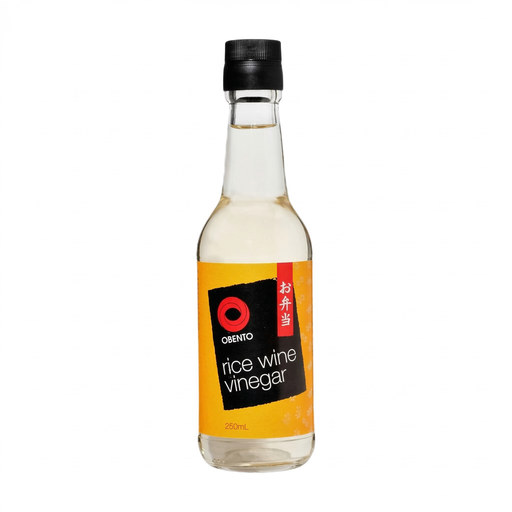
Why it suits this profile: The 250 ml bottle is a manageable size for trying out sushi, dressings and pickling, without having to buy a larger container.
The ingredients list names water, glutinous rice and salt, so you can tell it apart from ready-sweetened sushi vinegar.
250 ml; according to the product information, suitable for seasoning, pickling and cooking.
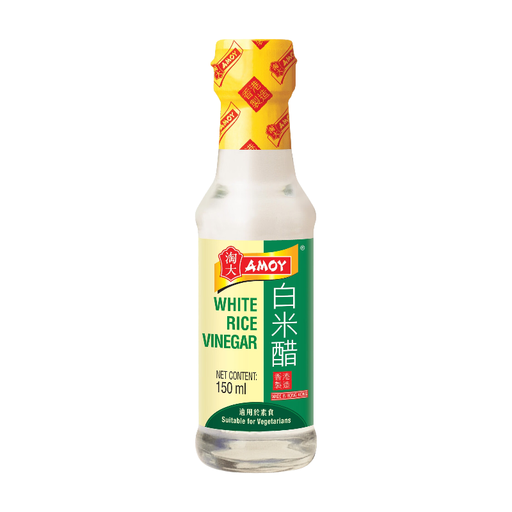
Why it suits this profile: The clear to slightly yellow liquid and stated acidity of 5.5% provide clear guidance for precise measuring.
The ingredients state that it is 100% rice vinegar, so there’s no need to account for hidden seasoning from sugar or salt.
150 ml; no allergens declared; suitable for salads, marinades, dips and cooked dishes.
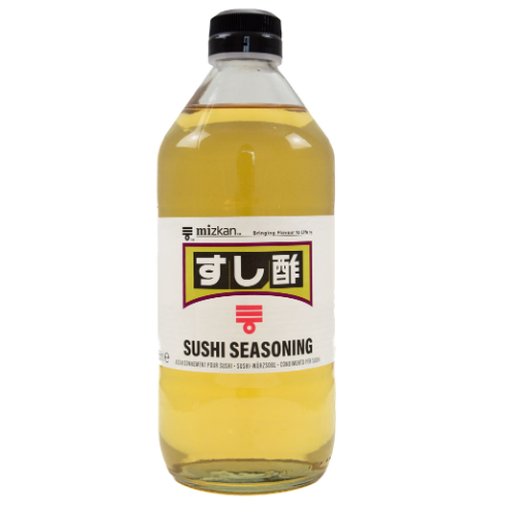
Why it suits this profile: If you make sushi regularly, this ready-made blend of vinegar, sugar, salt and kombu extract is convenient and ready to use.
Clearly labelled as ready-made sushi seasoning, it’s easy to distinguish from unsweetened rice vinegar.
568 ml; according to the product information, it can also be used for dressings, pickles, marinades and stir-fries.
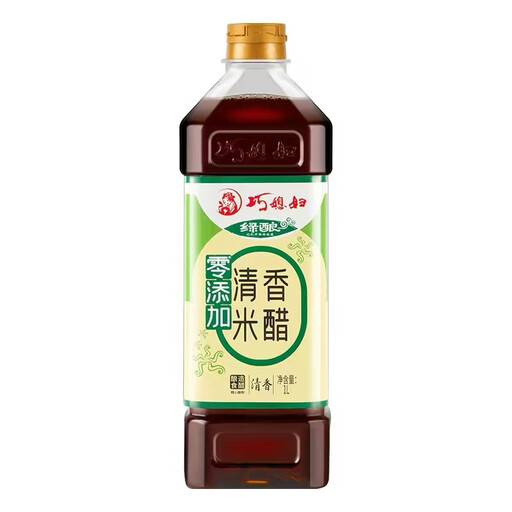
Why it suits this profile: The 1-litre container is designed for frequent cooking, marinades, dips and cold dishes, helping to reduce repeat purchases when you use a lot.
The product information states a moderate acidity of 3.5°. Be sure to check the ingredients list too, as it includes sugar, salt and wheat ingredients.
1 litre; according to the product information, it’s intended for cooking, frying, marinating, cold dishes and dips.
We’ve put together a complete, regularly updated list of products that meet these strict selection criteria and fully comply with the safety regulations in force in the EU.
For sushi rice, ready-made sushi vinegar is a good choice if you don’t want to adjust the sugar and salt separately. For more versatile uses, choose a plain rice vinegar with clearly listed ingredients and acidity. If you cook vegetarian or vegan food, check the product labelling as well, especially for flavoured blends.
After opening, store the bottle according to the instructions on the packaging. A cool, dry place away from light is often recommended, although some products should be refrigerated once opened. Keep the cap clean and tightly closed.
Sushi vinegar is a convenient choice for simple preparation, as it may already contain sugar and salt. Plain Japanese rice vinegar is more versatile, but you’ll need to mix it yourself. Follow the product instructions and adjust the amount to suit your taste.
The best-before date is printed on the packaging. How long it keeps after opening depends on the recipe and the manufacturer’s instructions. Light, heat, contamination and leaving the cap open frequently can affect the product’s quality. If you’re unsure, check its smell and appearance, as well as the specific instructions on the packaging.
Many products are intended for these uses, but they aren’t all equally versatile. Unsweetened rice vinegar is easier to measure accurately in dressings and marinades. Ready-made sushi vinegar already contains sugar and salt, so it can have a greater effect on the recipe.