
Same-day & Next-day Delivery

Quality Guaranteed

Unlock Your Welcome Offers: FREE Delivery | Up to 80% OFF | Free 30-day JoyPlus trial
Download the APP
By the Joybuy Product Recommendation Officer, August 30, 2026
Anyone looking to prepare authentic Asian dishes or explore the diversity of Asian spirits often finds themselves facing a shelf full of bottles with unclear labels. Trying to buy the right rice wine can quickly lead to confusion and costly mistakes. Many products look similar but serve completely different purposes. Before you make a decision, it's helpful to know the most common pitfalls that can compromise the flavour of your dish or drink.
Two common mistakes are particularly costly and disappointing:
This guide will help you avoid these and other errors by objectively breaking down the crucial selection criteria.
You don't need to be an expert to make the right choice. You just need to pay attention to a few essential characteristics. These parameters will determine whether a product is suitable for your needs.
The most fundamental distinction is between cooking wines and drinking wines. The difference is simple but critical.
The term "rice wine" is an umbrella term for a wide variety of different products. The most important categories to know are:
The label provides the most objective information. Always check two things:
Here are some recommendations tailored to specific needs, taking the above criteria into account.
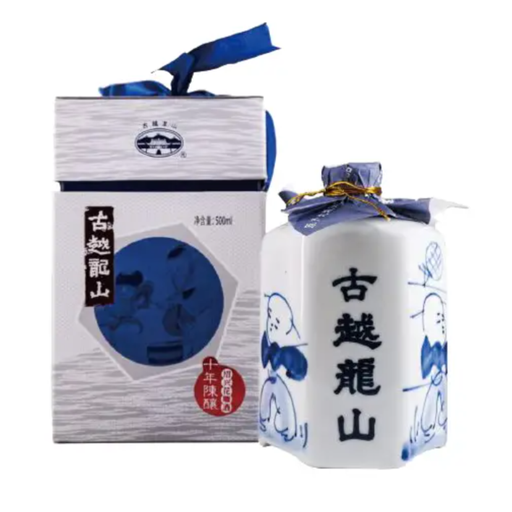
Why This Fits Their Persona: Ideal for chefs who want to achieve the authentic flavour of dishes like "Dongpo Rou" (braised pork belly) or "Drunken Chicken." The 10-year ageing process provides unparalleled complexity and umami depth.
This is a genuine, aged Shaoxing wine with no added salt. It delivers the specific flavour that recipes call for, and is not a generic cooking wine.
Aged 10 years: Develops complex notes of nut and honey.
Versatile: Suitable for both high-level cooking and for sipping on its own (slightly warmed).
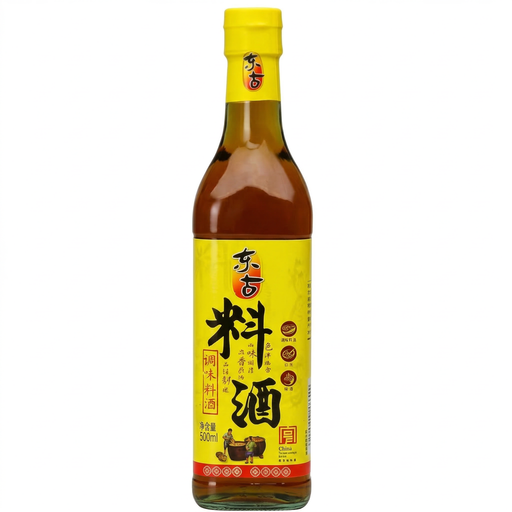
Why This Fits Their Persona: For anyone looking for a straightforward and budget-friendly ingredient for everyday Chinese cooking. Perfect for marinating meat or deglazing stir-fry pans.
This product is clearly labelled as a cooking wine and contains salt. There is no risk of accidentally serving it as a beverage. It reliably serves its purpose.
Functional: Effectively removes fishy and gamey odours.
Great Value: A cost-effective staple ingredient for many dishes.
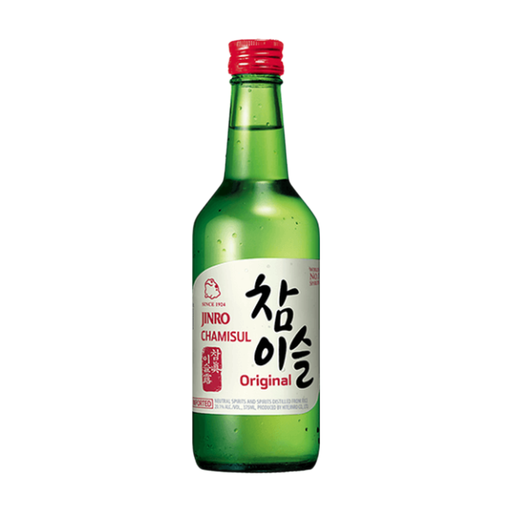
Why This Fits Their Persona: Perfect for curious drinkers who want to dive into the world of Korean spirits. Jinro is one of the most famous soju brands worldwide and offers an approachable, clean taste.
This is a clear, distilled spirit for drinking, not a fermented condiment. The "Soju" product name and 20.1% ABV clearly identify it as a beverage.
Clean Flavour: Very mild and smooth, with a clean finish.
Flexible: Can be enjoyed neat (well-chilled), on the rocks, or as a base for cocktails.
We have compiled a complete, up-to-date list of products that fully meet these strict selection criteria and all local regulations.
No. While drinking wines like Shaoxing wine are excellent for cooking and add a special depth to dishes, salted cooking wines (Liaojiu) should never be used as a beverage. Conversely, using a sweet plum wine instead of a dry Shaoxing wine can ruin a savoury dish. Always pay attention to the intended use and the ingredients list.
Once opened, Shaoxing wine, just like other wines, should be stored tightly sealed in a cool, dark place—ideally in the refrigerator. This slows down the oxidation process and preserves the flavours for several weeks to months. Cooking wines with a high salt content are less delicate and will last longer, even at room temperature.
Although both are often associated with rice, they are fundamentally different. Soju is a Korean, distilled spirit that is clear and rather neutral in taste, similar to vodka. Sake is a Japanese, fermented wine that is brewed from rice (similar to how beer is made). Its flavour is more complex, and its alcohol content is typically slightly lower than that of soju.