
Lieferung heute & morgen

Qualitätsgarantie

Willkommens-Angebote freischalten: KOSTENLOSE Lieferung | Bis zu 80 % RABATT | Kostenlose 30-Tage-JoyPlus-Testphase
App herunterladen
The world of rice wine is diverse and fascinating, but the growing selection can quickly become overwhelming. Anyone looking to specifically buy rice wine often finds themselves facing shelves—whether online or in-store—filled with bottles bearing unfamiliar labels. This frequently leads to purchasing decisions that don't yield the desired results, whether for cooking or for sipping. Before you make a choice, it's helpful to know a few common pitfalls.
To make an informed decision, you should consider three core parameters. These will help you find the product that perfectly matches your intentions.
Rice wine is an umbrella term for a wide variety of beverages from across Asia. The origin provides the first important clue about taste and use:
The most important distinction is between cooking wine and drinking wine.
The list of ingredients provides information about the product's purity. For sake, the polishing ratio of the rice is a crucial quality indicator. This specifies what percentage of the rice grain was polished away before brewing.
Here are some recommendations tailored to specific use cases and user profiles.
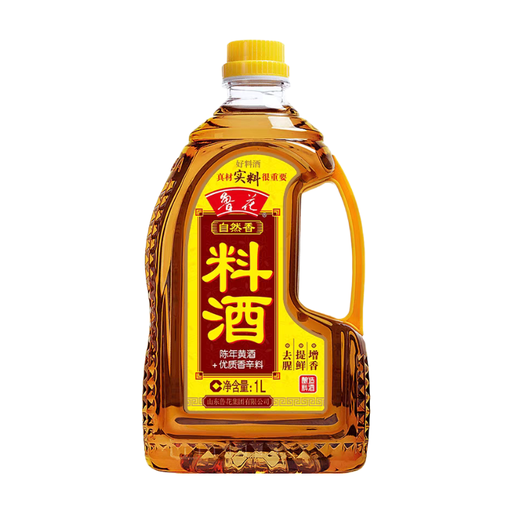
Why This Fits Their Persona: Ideal for anyone who regularly prepares authentic Chinese dishes. This Chinese cooking wine is specially designed for marinating, braising, and enhancing stir-fries, lending a complex, aromatic depth to food.
This product is clearly declared as a cooking wine. It prevents the waste of an expensive drinking sake on dishes where the fine nuances would be lost to heat anyway.
Versatile: Suitable for removing fishy and gamy odours and for enhancing flavour. The 1-litre bottle offers excellent value for regular use.
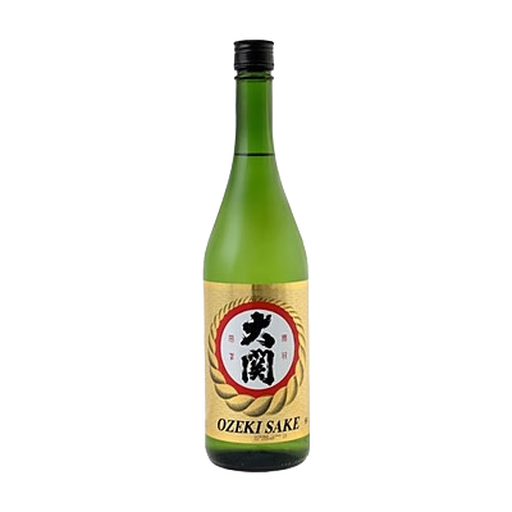
Why This Fits Their Persona: Anyone wanting to try Japanese rice wine will find this an accessible and balanced introduction. This sake is smooth, with a pleasantly dry finish, and pairs well with a variety of foods.
As a classic Junmai sake, it offers an authentic taste experience without being intimidating due to complex flavours or a high price. You avoid the risk of investing in an expensive premium sake whose subtleties you might not yet appreciate as a beginner.
Traditional Junmai Style: Made without added alcohol, which ensures a pure rice flavour. It can be enjoyed both chilled and warmed, inviting experimentation.
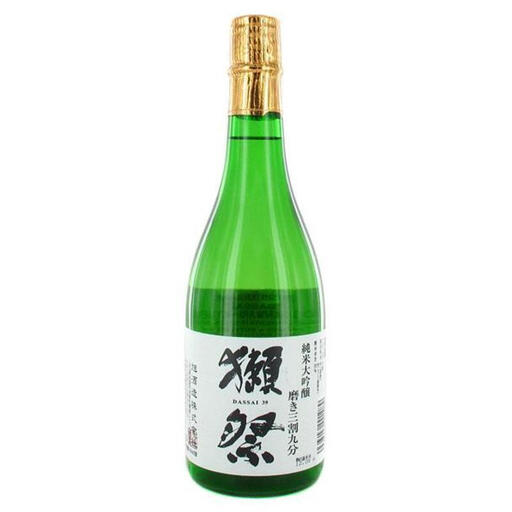
Why This Fits Their Persona: For connoisseurs seeking a refined and elegant sake. This Junmai Daiginjo is renowned for its exceptionally smooth mouthfeel and complex aroma, reminiscent of ripe melon.
The number "39" is not an arbitrary designation but a verifiable quality mark: the rice polishing ratio is 39%. You are investing in an objectively measurable product characteristic that directly influences the delicate taste.
High Polishing Ratio (39%): Only the purest core of the rice grain is used, resulting in an exceptionally smooth and aromatic profile. An internationally acclaimed premium sake.
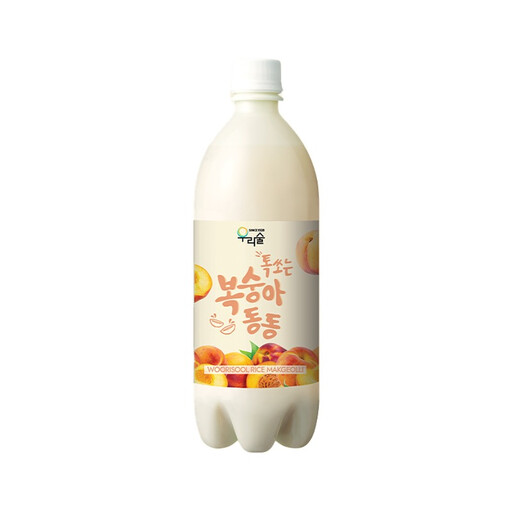
Why This Fits Their Persona: For anyone wanting to try something new and straightforward. This Korean rice wine combines the traditional milky texture of makgeolli with a fruity peach flavour. It's light, refreshing, and ready to drink immediately.
This product is designed for uncomplicated enjoyment. You don't need to know traditional serving rituals or grapple with complex flavour profiles. Simply chill, shake, and enjoy.
Low Alcohol Content (3% ABV): A light beverage that's great for social gatherings or as an alternative to beer or wine. The fruity note makes it particularly accessible.
If you're interested in other varieties that meet our selection criteria, you can find our full range here.
Although both are Japanese rice wines, they differ fundamentally in their purpose. Sake is primarily a beverage with a wide range of flavours, from dry to sweetish. Mirin, on the other hand, is a sweet rice wine used almost exclusively as a seasoning in the kitchen. It has a higher sugar content and a lower alcohol content than most sakes and gives dishes like teriyaki their characteristic sweetness and glaze.
The shelf life varies greatly depending on the type. Cooking wines like Shaoxing or mirin-style seasonings can often be kept in the refrigerator for several months due to their salt or sugar content. Sake should be refrigerated after opening and ideally consumed within a week, as its delicate aromas dissipate quickly. Unpasteurised sakes (Namazake) are particularly sensitive. Makgeolli is often slightly carbonated and should be consumed within a few days of opening to preserve its freshness and fizz.
No, that is a common misconception. The optimal drinking temperature depends on the type of sake. High-quality, aromatic varieties like Ginjo and Daiginjo are typically served slightly chilled (approx. 8–15 °C) to allow their delicate aromas to shine. In contrast, more robust types like many Junmai sakes can also be enjoyed at room temperature or even warmed (as atsukan). Warming can release new, deeper flavour notes of rice and umami.