
Lieferung heute & morgen

Qualitätsgarantie

Willkommens-Angebote freischalten: KOSTENLOSE Lieferung | Bis zu 80 % RABATT | Kostenlose 30-Tage-JoyPlus-Testphase
App herunterladen
If you’re looking to buy Riesling white wine, you’ll find a wide selection online from the Palatinate, Rheinhessen, the Moselle and other German wine regions. The differences aren’t just a matter of price or label. Sweetness, alcohol content, pack size and certifications all affect whether a bottle is right for a meal, a barbecue or keeping a regular supply at home.
Peach, apple and citrus aromas describe the wine’s smell and taste; they don’t necessarily indicate its sweetness. A dry Riesling can be noticeably fruity, while a medium-sweet Riesling also contains more residual sugar. If you rely only on marketing terms, you may end up with a wine that isn’t right for the occasion.
A medium-dry Riesling balances fruit and noticeable sweetness with acidity. How sweet it tastes also depends on its acidity and alcohol content. So check the specific sweetness description and, where available, the figures for residual sugar and acidity.
A Riesling white wine 6x0.75 l pack can be a good choice for celebrations or regular meals. If you only drink wine occasionally, a single bottle is often more flexible. Once opened, white wine should be resealed and kept chilled. Be sure to follow the product’s recommended consumption time.
“Dry” doesn’t mean the wine lacks fruit. For example, III Freunde Riesling lists 8,7 g/l residual sugar, 6,6 g/l acidity and 12,5 % vol. alcohol. These figures can help you put the tasting notes into perspective.
A Riesling from the Palatinate can be fruit-forward and easy to enjoy. Depending on the vineyard, Riesling from Rheinhessen can also have fruity, mineral or acidity-led profiles. A Riesling from the Moselle or Saar is often associated with pronounced acidity and mineral notes. These terms don’t guarantee a particular taste, though. Always check the specific product description, producer and listed analysis figures.
If you’re looking for an organic vegan Riesling, check for an organic certification seal and clear vegan labelling. Biorebe Riesling is listed as both organic and vegan; sulphur dioxide, or sulphites, are named as an allergen. Wine often contains sulphites, which must be declared on the label.
An alcohol-free Riesling isn’t the same as grape juice. Kolonne Null Riesling lists 0,0 % vol. alcohol, acidity of 6,3 g/l and residual sugar of 28,0 g/l. Its taste may therefore differ from that of a dry alcoholic Riesling.
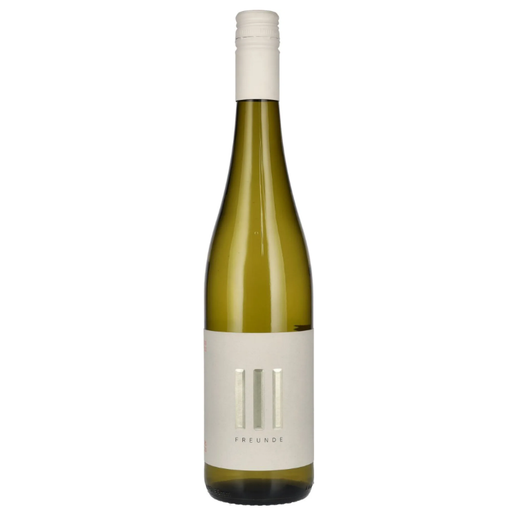
Why this product suits this profile: A single bottle is a good way to try a dry Riesling without committing to a multipack.
Its flavour profile, Palatinate origin, alcohol content, acidity and residual sugar are all clearly specified, rather than being summed up by a vague description such as “fruity”.
100% Riesling, screw cap, 0,75 l bottle and a recommended serving temperature of 10 to 12 °C.
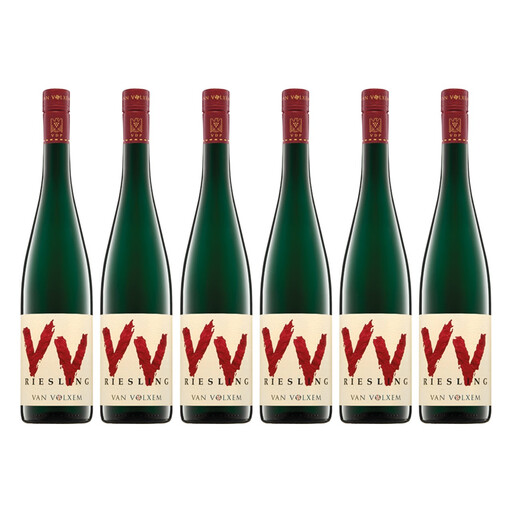
Why this product suits this profile: This multipack is for buyers who want dry Riesling for several meals or planned get-togethers.
The Saar region, Riesling grape variety, 12,0 % vol. alcohol and pack size of 6 × 0,75 l are all clearly stated.
Natural cork, German origin and a focus on dry Saar Riesling.
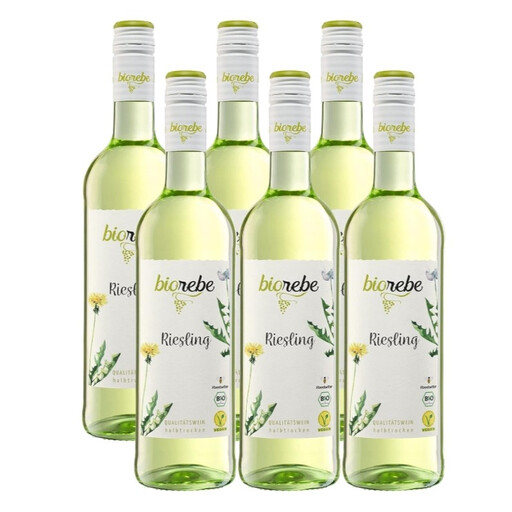
Why this product suits this profile: Its organic and vegan labelling, along with the larger pack size, is clearly documented for households with these buying priorities.
The product details specify its organic status, vegan production, Rheinhessen origin and 11,5 % vol. alcohol.
Medium-dry profile, 6 × 0,75 l, with notes of peach, yellow apple and citrus.
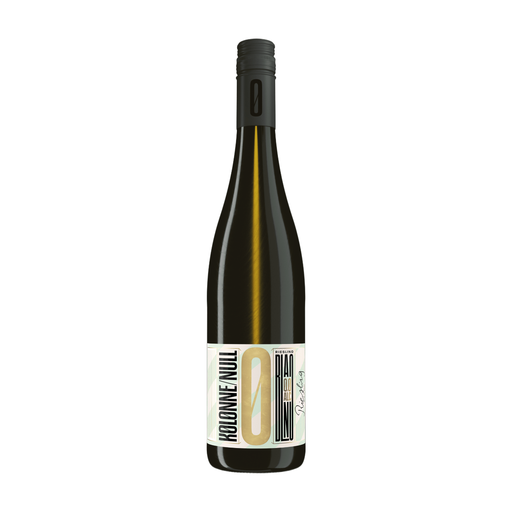
Why this product suits this profile: This alcohol-free option is ideal for occasions when you want to avoid alcohol but still enjoy a wine alternative.
Its alcohol content of 0,0 % vol. is clearly stated. Residual sugar, acidity and sulphites are also listed.
Organic certification, 100% Riesling and a 0,75-l bottle; refrigerate after opening and drink soon.
Store unopened bottles in a cool, dark place, away from major temperature fluctuations where possible. Depending on the product, dry Riesling is often served at around 9 to 12 °C; follow the exact serving advice on the label. Bag-in-box formats, such as a 3-litre Riesling, can be handy for larger gatherings, but they still need to be stored appropriately.
Follow the packaging guidance for all alcoholic products. Wine contains alcohol and often sulphites. Alcohol may only be sold to people of the legal minimum age. Pregnant women should avoid alcoholic drinks; please drink responsibly.
A dry Riesling with fresh acidity often pairs well with fish, salads and crisp grilled vegetables. III Freunde Riesling specifically recommends this combination. Your personal taste and the way the food is prepared still matter.
Once opened, reseal the bottle and keep it in the fridge. Depending on the product guidance, it’s recommended that you drink it within around three to five days. Alcohol-free varieties may not keep as long once opened.
No. Alcohol-free Riesling is made from wine, which is then dealcoholised. Grape juice is made differently and has a different flavour profile. When buying online, check the stated alcohol content and ingredients list.