
Lieferung heute & morgen

Qualitätsgarantie

Willkommens-Angebote freischalten: KOSTENLOSE Lieferung | Bis zu 80 % RABATT | Kostenlose 30-Tage-JoyPlus-Testphase
App herunterladen
If you want to buy Riesling white wine, you’ll find a wide choice online: dry, medium-dry or medium-sweet, from the Palatinate, Rheinhessen or the Saar region, in single bottles, 6-packs or alcohol-free versions. Product descriptions alone don’t always make it easy to choose the right one.
Three common pitfalls can lead to the wrong purchase:
The descriptions dry Riesling, medium-dry Riesling and medium-sweet Riesling can help you narrow down your options. For a more accurate picture, check the stated residual sugar and acidity, if these details are available.
The way a wine tastes isn’t down to sugar alone. Pronounced acidity can make a wine feel more balanced, even when it contains residual sweetness. One example is III Freunde Riesling, with 8.7 g/l residual sugar, 6.6 g/l acidity and 12.5% vol. alcohol. The product information describes it as dry.
If you’re specifically looking for white wine from Germany, check the country of origin and, where possible, the region. Riesling from the Palatinate is often associated with fruit-forward profiles, while wines from the Saar or Rheinhessen may show different acidity and mineral notes, depending on the vineyard and winemaking. These regional associations are a useful guide, but they don’t guarantee a particular taste.
Also check:
Alcoholic products are subject to legal age restrictions. They cannot be delivered to minors, and an age check may be required when you buy. Alcohol should be consumed responsibly. Pregnant women should avoid alcoholic drinks.
A single 0.75-litre bottle is a good choice if you’d like to try a style first. A 6-pack of Riesling, on the other hand, is a more predictable option for regular enjoyment, guests or a celebration. For larger gatherings, a 3-litre bag-in-box may be worth considering. Be sure to follow the storage instructions after opening.
There are alcohol-free options for certain occasions. Alcohol-free Riesling can be an alternative for anyone who wants to avoid alcohol. Check the precise labelling: “alcohol-free” and “0.0% vol.” aren’t stated in the same way on every product page.
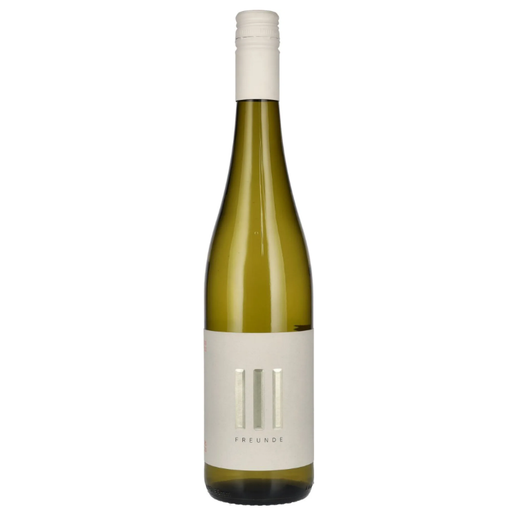
Why this product suits this profile: This single 0.75-litre bottle is an easy way to try dry Riesling from the Palatinate. The recommended serving temperature is 10–12 °C.
The product details include the taste profile, alcohol content, acidity and residual sugar. This makes it easier to compare the wine with your own preferences.
100% Riesling, 0.75-litre bottle, screw cap and clear details of its 12.5% vol. alcohol content.
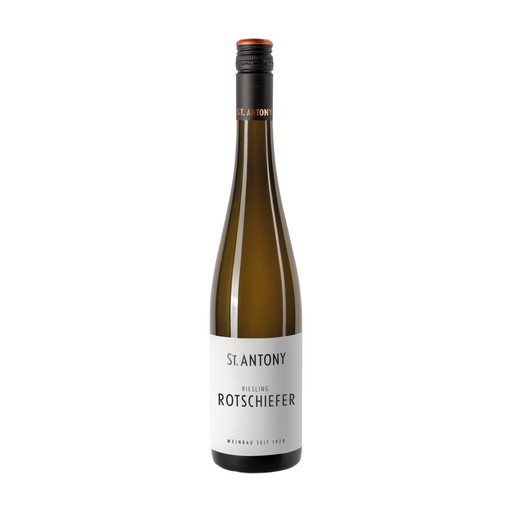
Why this product suits this profile: According to the product information, this Riesling comes from the Roter Hang in Rheinhessen and is made from grapes grown using biodynamic farming methods.
The product listing clearly states the wine’s origin and organic inspection code DE-ÖKO-039. This makes it easier to check general sustainability claims.
11.0% vol. alcohol, matured in stainless steel tanks and a serving temperature of 9–12 °C.
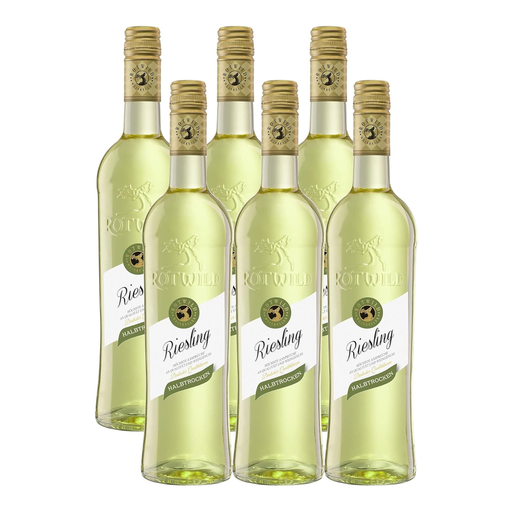
Why this product suits this profile: This 6-pack contains 4.5 litres in total and is aimed at households, hosts and regular wine drinkers. The medium-dry style pairs well with light dishes.
The pack size is clearly stated. By working out how much you need in advance, you can avoid unnecessary single-bottle purchases or buying more than you can use.
Six bottles, 11% vol. alcohol, screw caps and a recommended serving temperature of 10–12 °C.
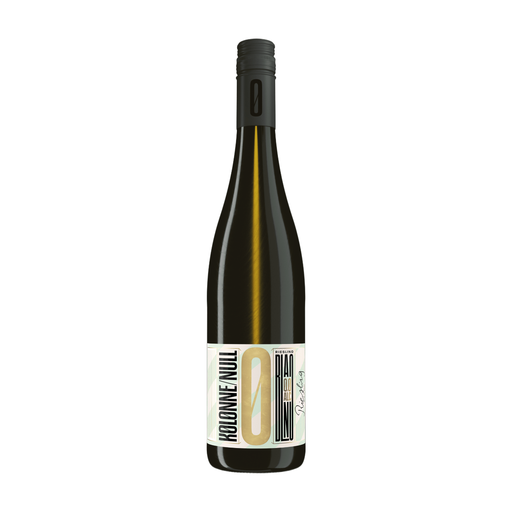
Why this product suits this profile: The product details state that it contains 0.0% vol. alcohol, give the organic inspection code DE-ÖKO-039 and specify a 0.75-litre bottle. This makes it a suitable choice for alcohol-free occasions.
The clear “0.0% vol.” statement helps distinguish it from products that simply have a lower alcohol content.
0.0% vol. alcohol, organic certification, 6.3 g/l acidity and 28.0 g/l residual sugar according to the product details.
We’ve put together a complete, regularly updated list of products that meet these strict selection criteria and fully comply with the safety regulations in force in the EU.
The best food pairings for Riesling depend on the wine’s sweetness, acidity and body. As a practical guide:
Serve white wine well chilled, following the product’s recommendation. This is often somewhere between 8 and 12 °C. After opening, reseal the bottle and keep it chilled. How long it will keep after opening depends on the product and packaging.
These terms mainly describe how sweet the wine tastes. Dry wines usually taste less sweet, medium-dry wines balance fruit with subtle sweetness, while medium-sweet wines taste noticeably sweeter. Acidity, alcohol and temperature also affect the overall impression.
Dry Rieslings are often chosen to go with fish. With spicy Asian dishes, a medium-dry or fruit-forward Riesling may be a good choice. The key factors are the dish’s seasoning and sweetness.
A 6-pack can be a good option for regular drinking, guests or events. If you want to try a style first, a single bottle usually gives you more flexibility. Before buying, also check your storage space, the delivery quantity and how much you expect to drink.