
Lieferung heute & morgen

Qualitätsgarantie

Willkommens-Angebote freischalten: KOSTENLOSE Lieferung | Bis zu 80 % RABATT | Kostenlose 30-Tage-JoyPlus-Testphase
App herunterladen
The selection of rosé wine is vast, and labels often promise more than the bottle delivers. Anyone looking to buy rosé is faced with a wall of flowery descriptions and varying shades of pink. However, colour alone is not a reliable indicator of quality or taste. This guide will help you identify the key characteristics to make an informed choice that suits your occasion and palate.
Before we dive into the selection criteria, it's helpful to understand the most common mistakes that often lead to a disappointing choice.
rosé from France or a rosé from Italy. While the region can influence a wine's style, the grape variety used (e.g., Grenache, Pinot Noir, Primitivo) is the more decisive factor for its aroma and flavour profile.vegan rosé wine, which point to specific production standards.To find the right rosé for you, focus on objective and verifiable criteria. The following three parameters are essential for making a smart purchase.
The most important distinction lies in the residual sugar content, indicated on the label by terms like "dry," "off-dry," or "sweet."
light summer wine for an aperitif.off-dry rosé wine offers a great balance of fruitiness and freshness and is a popular choice for many wine drinkers.The combination of grape variety and growing region determines the wine's character.
Certifications offer additional guidance for conscious consumers.
Here are some recommendations tailored to different taste profiles and use cases.
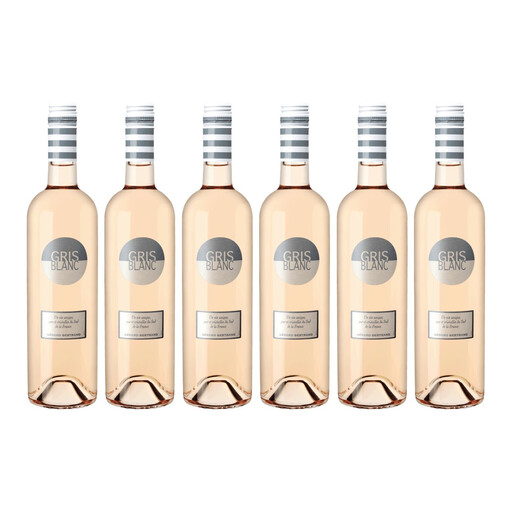
Why it's a great choice: This wine embodies the classic, dry style of Southern France. Its pale colour and fresh, mineral notes make it an ideal companion for warm summer evenings or as a pre-dinner aperitif.
It debunks the colour fallacy: The very light "Gris" colour correctly signals a dry, elegant, and by no means watery taste.
Produced by Gérard Bertrand, a renowned winemaker known for his commitment to biodynamic farming. This wine offers dependable quality.
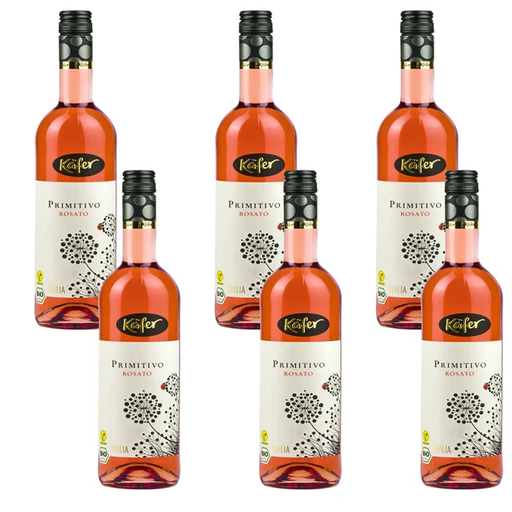
Why it's a great choice: This Italian rosé combines the popular Primitivo grape with certified standards. It's dry, fruity, and its structure pairs well with salads or mushroom dishes.
It moves beyond vague quality promises by clearly displaying concrete, verifiable credentials like "Organic" and "Vegan" on the label.
The combination of organic and vegan certification makes it an excellent choice for consumers who value sustainable and ethical production methods.
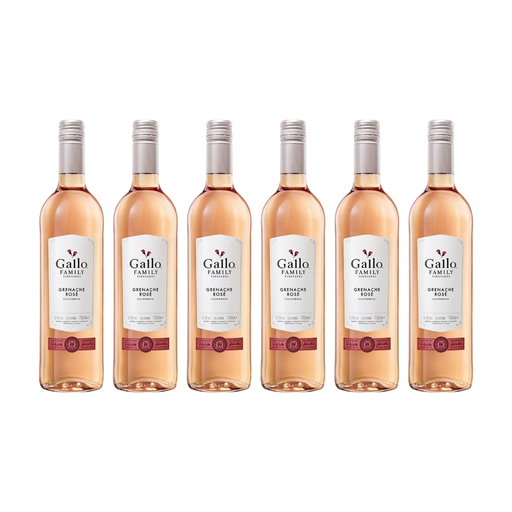
Why it's a great choice: This Californian rosé is clearly positioned as "sweet" and is aimed at anyone looking for a straightforward, sweet and fruity wine. Its fresh strawberry aromas make it very approachable.
The clear "Sweet Rosé Wine" label prevents any confusion. Buyers expecting a dry wine won't be disappointed, and fans of sweet wines will find exactly what they're looking for.
A very approachable style that is great for social gatherings or as a companion to Asian dishes or salads. The convenient rosé wine case is ideal for parties.
We have compiled a comprehensive, up-to-date list of products that meet these strict selection criteria.
1. What does "vegan rosé wine" mean? A vegan rosé wine is clarified without the use of any animal-derived fining agents. Traditionally, products like gelatine (from bones), casein (milk protein), or egg whites are used to bind and remove impurities. In vegan wines, plant-based proteins (e.g., from peas) or mineral clays like bentonite are used instead.
2. At what temperature should you drink rosé wine? The ideal serving temperature depends on the style of the wine. Light, crisp, and dry rosés unfold their aromas best when well-chilled at 6–8 °C. More robust, structured, or off-dry rosés can be served slightly warmer at 10–12 °C to allow their fruit notes to develop more fully. Serving it too cold can suppress the aromas.
3. How long does an opened bottle of rosé last? An opened bottle of rosé should always be tightly sealed and stored in the refrigerator. It will stay fresh for about 2 to 3 days. Lighter rosés tend to lose their freshness more quickly than more robust styles. A vacuum sealer can extend its life by another day or two.