
Lieferung heute & morgen

Qualitätsgarantie

Willkommens-Angebote freischalten: KOSTENLOSE Lieferung | Bis zu 80 % RABATT | Kostenlose 30-Tage-JoyPlus-Testphase
App herunterladen
If you’re looking to buy rosé wine, you’ll find a wide selection online from Germany, France, Italy, Spain and other wine regions. But colour alone tells you little about a wine’s taste, sweetness or suitability for an occasion. There are clear differences between dry rosé wine, medium-dry rosé, rosé sparkling wine and rosé Champagne.
To make sure your choice isn’t based solely on the colour of the bottle, how well-known the brand is or its marketing claims, it’s worth checking a few objective details.
A pale pink wine isn’t automatically light, dry or particularly fresh. Its colour depends on factors such as the grape variety, how it’s made and how long the juice is in contact with the grape skins. A darker rosé can also be dry, while a paler wine may contain more residual sugar.
Look for terms such as dry, medium-dry, medium-sweet, Brut or Extra Dry. Sparkling wines have different terms and thresholds from still wines. For example, “Extra Dry” can taste sweeter than “Brut”, despite what the name might suggest at first.
A six-pack of rosé wine can be handy for barbecues, parties or regular entertaining. But a large quantity may not be suitable for a single household if you’re not planning to drink it soon. Once opened, rosé wine often loses its freshness due to exposure to oxygen and changes in temperature.
Before buying, consider bottle size, number of bottles and how much you plan to drink together. A 1-litre bottle may suit a get-together, while 0.75-litre bottles give you more flexibility over how much you serve.
French rosé from Provence, Italian rosé from Veneto, Spanish rosé from Catalonia and German rosé from the Palatinate can all taste very different. The country of origin gives you a general idea, but it’s not a reliable guide to sweetness, acidity or alcohol content.
The specific region, grape variety, style and recommended serving temperature are more useful details.
If you prefer fruity wines that aren’t sweet, try searching for dry rosé wine. Dry options such as III Freunde Rosé Dry from Rheinhessen are described as dry in style and have an alcohol content of 12% vol. If you prefer a softer, fruitier taste, medium-dry rosé wine or a medium-sweet rosé may be a better fit.
Gallo Family Vineyards White Grenache Sweet Rosé, for example, is described as medium-sweet and has an alcohol content of 10% vol. A medium-dry rosé such as Freixenet Mia Rosado is described as having fruity notes and around 6 g/l of residual sugar. These details are more helpful when choosing than descriptions such as “summery” or “velvety”.
The alcohol content of the wines in this selection ranges from around 10 to 13% vol. A lower alcohol content may be a useful factor when choosing a wine for an aperitif or a long evening with friends. Your personal tolerance and responsible drinking remain important regardless.
Depending on the wine, serve still rosé at around 8 to 12 °C. Sparkling styles are often served colder, for example at 6 to 8 °C. Follow the specific recommendation on the label or product information sheet.
Rosé sparkling wine is a sparkling wine from Germany, while Cava comes from Spain and Prosecco Rosé can come from Italy. Mionetto Prosecco Rosé DOC Millesimato is described as a blend of 85% Glera and 15% Pinot Noir, with an alcohol content of 11% vol. and a recommended serving temperature of 6 to 8 °C.
Rosé Champagne, such as Irroy Brut Rosé or Taittinger Prestige Rosé, comes from Champagne and belongs to a different product category from rosé wine or rosé sparkling wine. For sparkling wines, the closure, bubbles and how soon to drink the wine after opening are also worth considering. A sparkling wine stopper can help preserve the bubbles for a short time after opening.
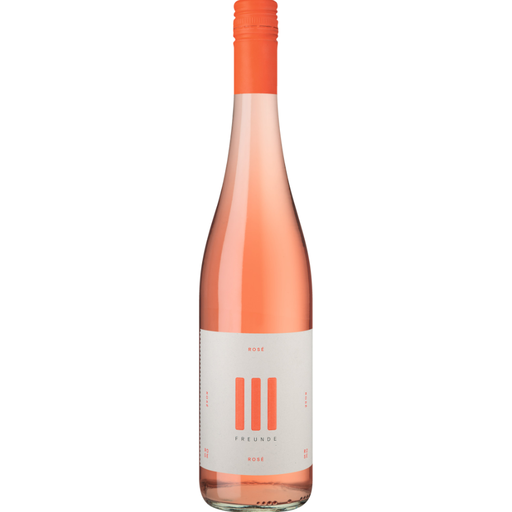
Why this product suits this profile: The 0.75-litre bottle is ideal for a relaxed evening and offers a dry, mineral style from Rheinhessen.
The style, origin, grape varieties and alcohol content are all clearly stated, so you don’t have to choose based on the bottle colour alone.
German origin, 12% vol., a dry style and a recommended serving temperature of 8–10 °C.
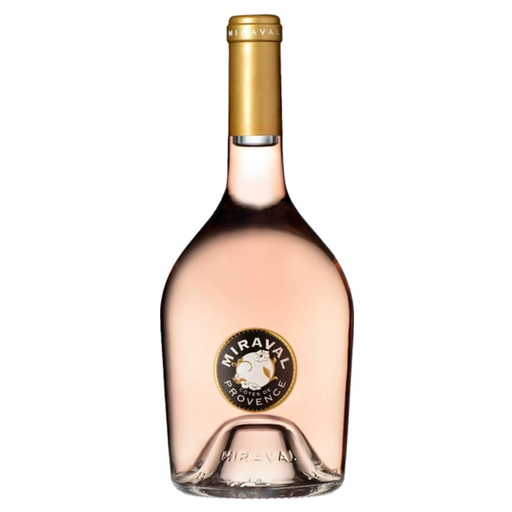
Why this product suits this profile: This French rosé from Provence is described as dry, combining fruity aromas with freshness and mineral notes.
The product information clearly states its origin and 13% vol. alcohol content, and notes that it contains sulphites.
Clearly stated Provence origin, a dry style and a recommendation to keep it chilled after opening.
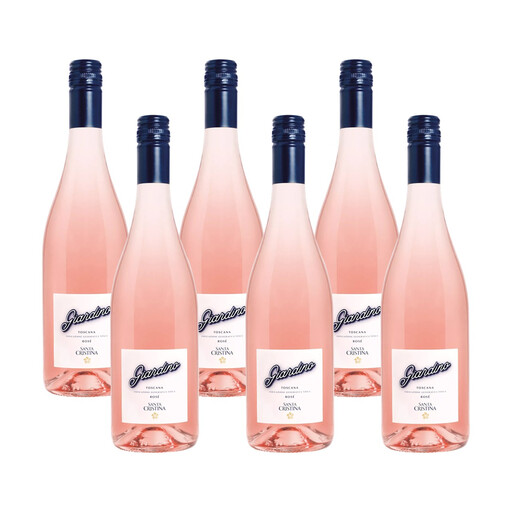
Why this product suits this profile: This six-pack from Tuscany is ideal for parties, barbecues and regular entertaining.
The pack size is clear before you buy, making it easier to plan how much you need for your guests.
Six 0.75 l bottles, 11% vol. and fruity, floral tasting notes.
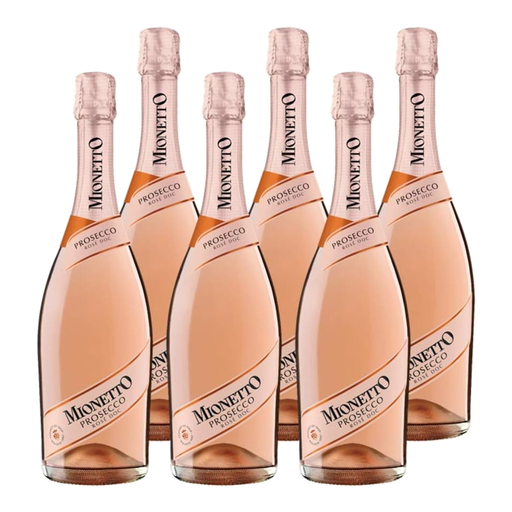
Why this product suits this profile: According to the product description, this Italian Prosecco Rosé is ideal as an aperitif and pairs well with finger food, seafood and risotto.
The Prosecco Rosé DOC designation, Extra Dry sweetness level and blend of grape varieties are all clearly stated.
Italian origin, a six-pack, 11% vol. and a recommended serving temperature of 6–8 °C.
We’ve put together a complete, regularly updated list of products that meet these strict selection criteria and fully comply with the safety regulations in force in the EU.
Depending on the product information, unopened bottles should be stored in a cool, dry place away from direct sunlight. Significant temperature changes and heat can affect the wine’s sensory qualities. Many fresh rosé wines aren’t intended for long-term storage.
After opening, reseal the bottle and keep it in the fridge. Depending on the type of wine and the product information, it’s best to drink it within around one to five days. Drink sparkling wines as soon as possible to preserve their bubbles.
You should also take note of the legally required warnings: wine contains alcohol, is not intended for minors and may contain sulphites. Avoid alcoholic drinks during pregnancy. Never drink alcohol and drive.
Dry or medium-dry styles are often a good choice for barbecues, as they pair well with salads, poultry, fish and mildly spiced dishes. If you’re expecting a crowd, a six-pack of rosé wine can make it easier to plan quantities. Choose a sweetness level that suits your guests’ preferences.
An opened bottle of still rosé will usually remain enjoyable for a few days if kept chilled, although its character will change as it’s exposed to more air. Sparkling wine loses its bubbles more quickly. Reseal the bottle as soon as possible and follow the guidance for the specific product.
Rosé sparkling wine is a German quality sparkling wine, while rosé Champagne comes from the protected Champagne region. Prosecco Rosé and Cava also have their own origin and production requirements. So when you order rosé wine online, check the product type, origin, sweetness, alcohol content and pack size together.