
Lieferung heute & morgen

Qualitätsgarantie

Willkommens-Angebote freischalten: KOSTENLOSE Lieferung | Bis zu 80 % RABATT | Kostenlose 30-Tage-JoyPlus-Testphase
App herunterladen
If you’re looking to buy rosé wine, you’ll find a wide selection online from Germany, France, Italy and Spain. The differences aren’t just in the colour or label; they also include sweetness, alcohol content, bottle size, origin and intended use. The criteria for a barbecue are different from those for a gift or an aperitif.
Terms such as strawberry, cherry or raspberry usually describe the flavours you can taste, not necessarily the sugar content. A dry rosé wine can have pronounced red-fruit flavours. If you prefer something sweeter, look specifically for medium-dry, medium-sweet or sweet wines and, where stated, check the residual sugar.
The description is important for sparkling wine too: Brut, Extra Dry and Demi-Sec indicate different sweetness levels. For Prosecco, for example, “Extra Dry” is not drier than “Brut”; it usually contains more residual sugar.
A single 0.75-litre bottle of rosé is enough for a small dinner, but it can soon run out at a larger gathering. A 6-pack of rosé wine or a bulk pack of rosé wine can make planning easier. You should also consider storage: opened bottles lose their freshness after a few days, while unopened bottles should be kept somewhere cool, dry and away from light.
Small bottles can be handy for receptions or larger celebrations. City Rosato Semi-Dry Sparkling Wine, for example, is available in a pack of 12 × 0.2 litres. This makes it easier to serve, but it doesn’t automatically work out cheaper per litre than a larger bottle.
A French rosé from Provence, an Italian rosé from Veneto and a German rosé from the Palatinate can all taste very different. Origin labels can help guide you, but they don’t tell you on their own whether a wine is dry, fruit-forward or sparkling.
So look for specific details such as alcohol content, grape variety, residual sugar, acidity, bottle size, closure and recommended serving temperature. For packaged wines, you should also check the ingredients and allergens. Many of the products listed contain sulphites, which can cause allergic reactions in people who are sensitive to them.
A rosé wine for an aperitif shouldn’t feel too heavy. Dry, fresh wines or well-chilled rosé sparkling wine are good choices. With sweet dishes, the drink itself can also have a little more sweetness.
The products mentioned have alcohol contents ranging from 7.5 to 13 % Vol., for example. A lower figure may be worth considering for longer events or when serving several small portions. However, it doesn’t indicate how suitable a drink is for any individual. Alcohol should be consumed in moderation; it is not suitable for anyone below the legal drinking age or during pregnancy.
The right temperature helps bring out the intended flavour profile:
For an evening at home, 0.75 litres is the standard bottle size. A 1-litre bottle, such as Villa Santa Flavia Rosato Veneto IGT, can be handy for informal gatherings or as a mealtime wine. Packs of six are a good option for weddings, birthdays or barbecues. Small 0.2-litre bottles can be more hygienic and easier to budget for if guests would rather not share a bottle.
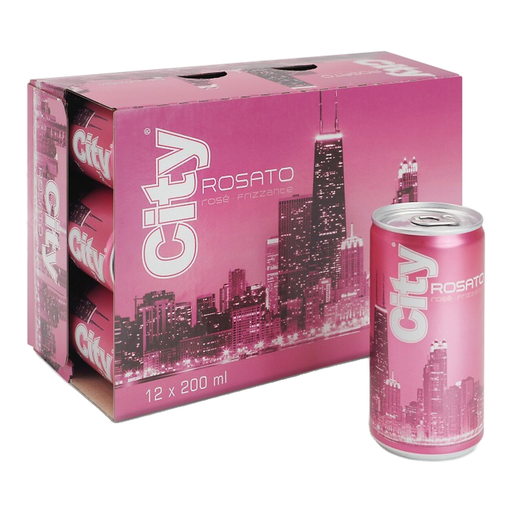
Why this product suits this shopper: The 12 small bottles are ideal for parties, aperitif gatherings and serving a measured amount to each guest. Its medium-dry style will appeal if you don’t exclusively prefer dry wines.
The portion size means a large bottle won’t be left open for too long. The “semi-dry” description makes the level of sweetness clearer than a simple reference to colour.
12 × 0.2 litres, 7.5 % Vol. and 75 kcal per 100 ml, according to the product details; contains sulphites.
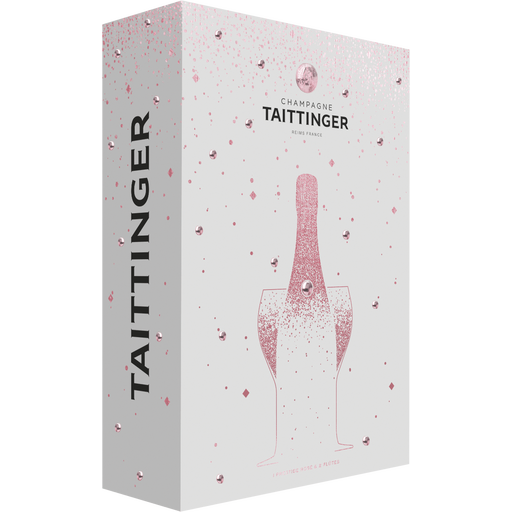
Why this product suits this shopper: The 0.75-litre bottle, with a natural cork and two Champagne glasses, is designed for gifting and special occasions.
The product description gives specific details about alcohol content, closure, serving temperature and food pairings, rather than relying on colour alone.
12.5 % Vol., 0.75 litres, a recommended serving temperature of 8 to 10 °C and a gift set with two glasses.
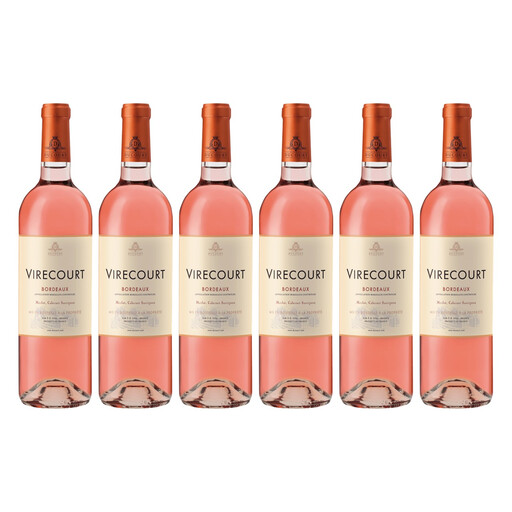
Why this product suits this shopper: This pack of six, containing 4.5 litres in total, is made for larger gatherings around the table, barbecues and celebrations. Its Bordeaux origin and dry style make it easier to plan food pairings.
The pack size and alcohol content are clearly stated, making it easier to plan what you need than when choosing a product without a stated quantity.
6 × 0.75 litres, 12.5 % Vol., a dry profile and 69 kcal per 100 ml, according to the product details.
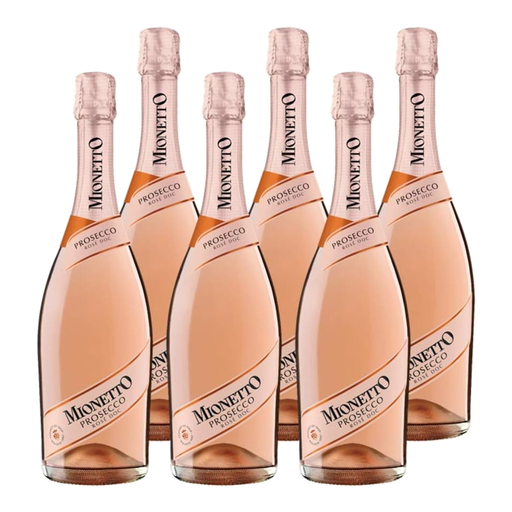
Why this product suits this shopper: This Prosecco Rosé from Veneto is intended for aperitifs, finger food, seafood and risotto. The pack of six is a good choice if you regularly host guests.
The grape varieties, origin, serving temperature and food pairings are all specified. This makes it easier to choose an Italian sparkling rosé for what it offers, rather than simply by its packaging.
85 % Glera and 15 % Pinot Noir, 11 % Vol., 6 × 0.75 litres and a serving temperature of 6 to 8 °C, according to the product details.
We’ve put together a complete, regularly updated list of products that meet these strict selection criteria and fully comply with the safety regulations in force in the EU.
After opening, reseal still rosé, keep it somewhere cool and try to drink it within two to three days. A suitable sparkling wine stopper can help preserve the bubbles in rosé sparkling wine and other sparkling rosés for longer. Always follow the manufacturer’s specific advice on the label.
Many rosé wines taste good chilled to around 6 to 10 °C. Rosé sparkling wine, Prosecco Rosé and rosé Cava are often served at 6 to 8 °C. Drinks that are too warm can taste more alcoholic, while excessive chilling can make the aromas less noticeable.
Not necessarily. Compare the price per litre, bottle size and how much you actually need. A bulk pack of rosé wine is worthwhile if you’re confident the bottles will be used at a celebration or over a longer period. Also check what’s included in the delivery, whether you have enough storage space and the minimum age for buying alcoholic drinks.