
Lieferung heute & morgen

Qualitätsgarantie

Willkommens-Angebote freischalten: KOSTENLOSE Lieferung | Bis zu 80 % RABATT | Kostenlose 30-Tage-JoyPlus-Testphase
App herunterladen
If you’re looking to buy rosé wine, you’ll find plenty of choice online: dry rosé from Germany, French rosé from Provence, Italian rosé from Veneto, Spanish rosé from Catalonia, and sparkling options for celebrations. But the wine’s pink colour alone tells you little about its sweetness, acidity or style.
Three common buying mistakes are:
The terms dry, medium-dry and sweet can help you narrow down your choice. Dry rosé often has a fresh, lively character, shaped by its acidity. Sweet rosé contains more residual sugar, which can give it a softer, sweeter taste. Medium-dry styles sit somewhere in between.
Alcohol content also affects the overall impression. You’ll find options such as:
The details on the label matter more than promotional descriptions such as ‘fresh’ or ‘summery’.
A German rosé from the Palatinate or Rheinhessen can be fruity, mineral or pronounced in acidity, depending on the grape variety and winemaking style. French rosé from the Pays d’Oc or Provence rosé is often associated with a pale colour and fresh aromas. An Italian rosé from Veneto can offer red-fruit notes and an easy-drinking style. Spanish options, such as rosé from Catalonia, are also available as Cava or sparkling rosé.
To choose a bottle for the occasion:
A standard bottle usually holds 0.75 litres. For larger gatherings, you can also find 1-litre bottles or a six-bottle pack of rosé, containing 4.5 litres in total. Before buying, check the closure and storage advice:
Alcoholic drinks are not intended for children or young people under 16. Alcohol should be avoided during pregnancy. Many of the products mentioned also contain sulphites, which must be identified as an allergen on the label.
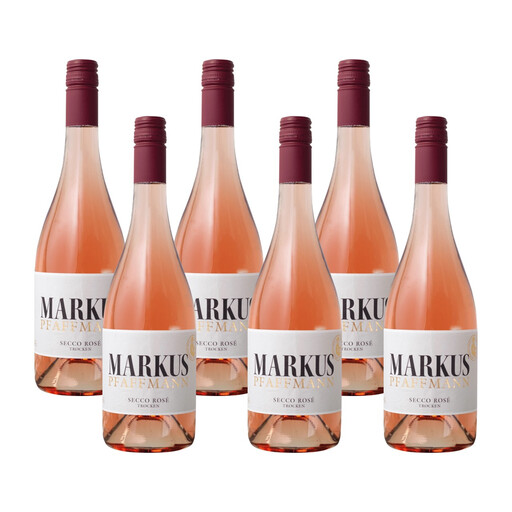
Why it suits this shopper: This dry rosé from the Palatinate comes in a pack of six 0.75-litre bottles, making it a good choice for households or social gatherings where rosé is enjoyed regularly.
Its clearly stated dry style helps avoid confusing fruity descriptions with actual sweetness.
German rosé from the Palatinate, 11% vol and six bottles with screw caps.
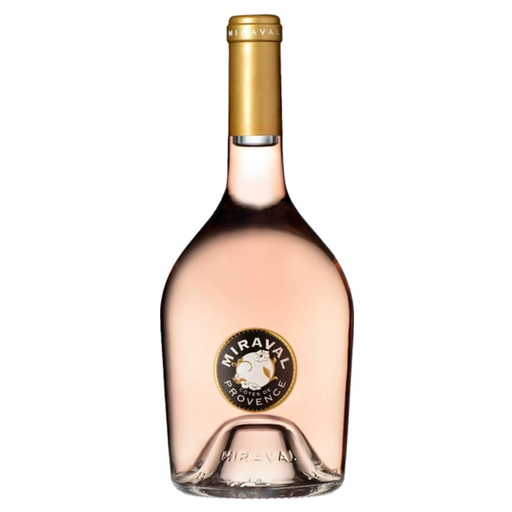
Why it suits this shopper: Its Provençal origin and the described blend of red berries, herbs and mineral notes will appeal to buyers who like to compare regions and flavour profiles closely.
The product details clearly specify the region, grape variety, alcohol content and sulphites, so the choice isn’t based on colour or label design alone.
Dry Provence rosé, 13% vol, 0.75 litres and a recommendation to keep it chilled after opening.
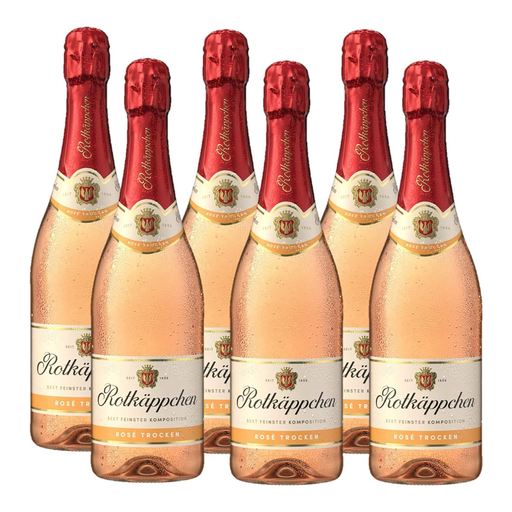
Why it suits this shopper: This dry sparkling rosé comes in a pack of six, making it a good choice for celebrations, birthdays and larger gatherings.
The pack size is clearly stated as six bottles totalling 4.5 litres, and the dry style is specified too.
11% vol, fine bubbles, 0.75-litre bottles and a recommended serving temperature of around 10 °C.
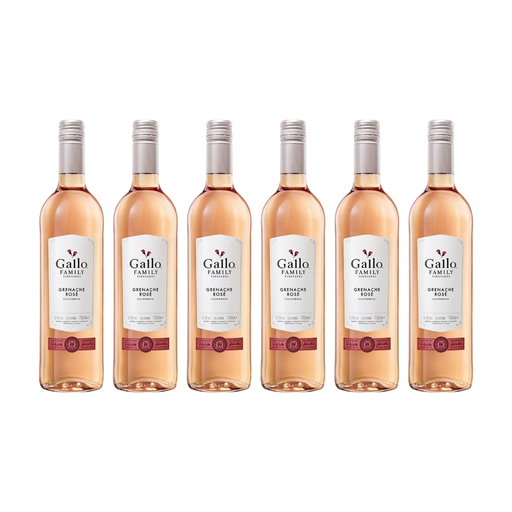
Why it suits this shopper: This Grenache rosé is labelled sweet, making it a good choice for anyone who prefers fruity, softer-tasting rosé wines.
The sweetness is clearly stated, so you don’t have to infer it from general descriptions such as ‘fruity’.
Grenache rosé from California, 10% vol, six 0.75-litre bottles and a recommended serving temperature of 6 to 8 °C.
We’ve put together a complete, regularly updated list of products that meet these strict selection criteria and the safety regulations in force across the EU.
Dry rosé, Secco or sparkling rosé are all options for an aperitif. Make sure the wine is well chilled and choose a style that isn’t too heavy. If you prefer something sweeter, a sweet rosé can also work well. Choose according to your taste and the food you’re serving.
Reseal still rosé after opening and keep it in the fridge. Depending on the wine, its flavour is usually at its best for one to a few days. Sparkling rosé loses its fizz more quickly once opened. A sparkling wine stopper can slow this down, but the bottle should still be enjoyed soon.
Rosé wine is still, with no or very little fizz. Sparkling rosé, Cava and other sparkling wines contain dissolved carbon dioxide and are often served at celebrations or as an aperitif. When buying them, also check the closure, serving temperature and recommended storage after opening.