
Lieferung heute & morgen

Qualitätsgarantie

Willkommens-Angebote freischalten: KOSTENLOSE Lieferung | Bis zu 80 % RABATT | Kostenlose 30-Tage-JoyPlus-Testphase
App herunterladen
If you’re looking to buy rosé wine online, you’ll find a huge selection from France, Italy, Germany, Austria, Portugal and Spain. Product names often sound similar, but they can differ significantly in sweetness level, alcohol content, bottle size and drinking style. So to make the right choice, it’s worth looking beyond the label colour or brand recognition.
A very pale rosé can be dry and high in acidity, while a deeper pink wine may taste fruitier or sweeter. The colour is partly determined by how long the grape juice stays in contact with the skins. That’s why it’s not a reliable indicator of sweetness.
If you’re after a dry rosé wine, look for the word “dry” on the label and, where possible, check the flavour profile. For a milder, fruitier option, an off-dry rosé wine might be a better fit.
Terms like berries, cherry, grapefruit or peach usually describe aromas, not necessarily the residual sugar content. Under standard German wine labelling rules, a wine can be called dry if it contains no more than 9 grams of residual sugar per litre, taking acidity into account. “Off-dry” generally means up to 18 grams per litre.
Sparkling wines use different terms. “Brut”, “Extra Dry” or “Demi-Sec” refer to the dosage and can’t be directly compared with still wine categories. A Prosecco Rosé labelled “Extra Dry” can therefore taste noticeably rounder than a classic dry still wine.
A rosé wine in a 6-pack or a large-format rosé bottle can be handy for barbecues, parties and bigger groups. For occasional enjoyment, a single 0.75-litre bottle is often easier to manage. Once opened, rosé wine loses its freshness relatively quickly due to oxygen and temperature. Opened bottles should be resealed, kept chilled and consumed within a few days.
The recommended serving temperature depends on the product instructions. Still wines are often served at around 8 to 12 °C, while sparkling wines are usually served cooler, at about 6 to 8 °C. Serving wine too warm makes the alcohol more noticeable; over-chilling can mute the aromas.
A French rosé wine from Pays d’Oc, Bordeaux or Gascony is often fresh and lightly structured, though individual cuvées can vary. An Italian rosé wine from Veneto, Apulia or Tuscany can range from delicately fruity to fuller-bodied. German rosé wine from Rheinhessen, Austrian rosé wine from Carnuntum and Portuguese rosé wine from the Vinho Verde regions each offer their own style.
However, origin alone isn’t a guarantee of quality. What really matters are the specific details on the product page and label: grape varieties, alcohol content, flavour profile, volume and serving recommendations.
Wine typically contains sulphites, which must be declared as an allergen. Sparkling wines may also contain carbon dioxide and, depending on the product, acidity regulators or stabilisers. If you want to compare ingredients, check the full details for each item.
The alcohol content also deserves attention: the range goes from lighter products to wines with around 12 to 13 % vol. Alcoholic drinks are intended for adults aged 18 and over only. Alcohol should be avoided during pregnancy and breastfeeding; alcohol can be harmful to health. Do not drive under the influence of alcohol.
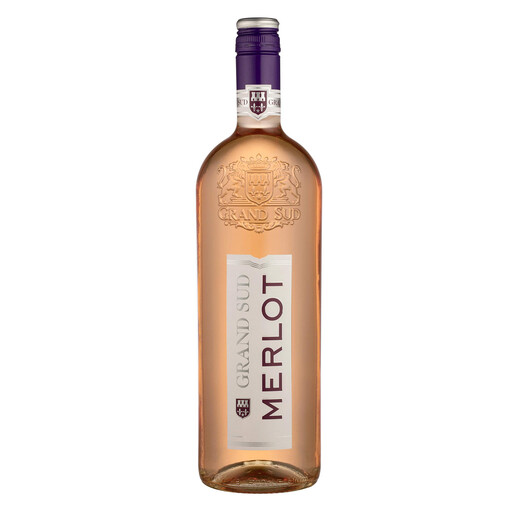
Why this product fits the profile: The 1-litre bottle offers a manageable size for shared meals without having to buy a multi-pack straight away. This French rosé is described as dry and has 12.5 % vol.
The product details list origin, region, alcohol content, serving temperature and allergens. This means you can make your choice based on verifiable information rather than just marketing descriptions.
1 litre content; 12.5 % vol.; from France according to the product information; serve at 10–12 °C.
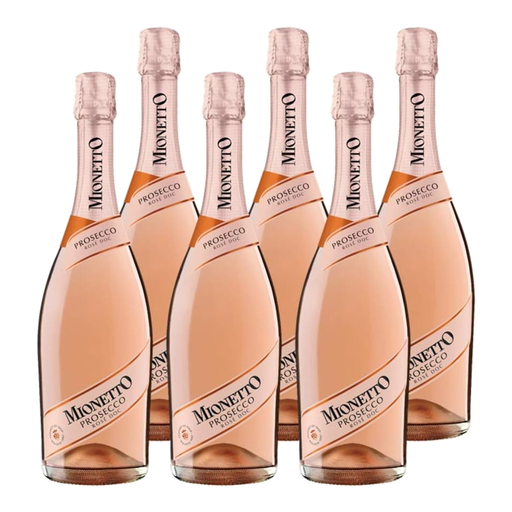
Why this product fits the profile: This multi-pack is aimed at buyers looking for an Italian sparkling wine for aperitifs, finger food or entertaining guests, and who value clearly stated grape varieties.
The information distinguishes between Prosecco Rosé, grape varieties and flavour profile. This means you’re not judging sweetness or production method by the pink colour alone.
6 bottles of 0.75 litres each; 85 % Glera and 15 % Pinot Noir; 11 % vol.; serving temperature 6–8 °C.
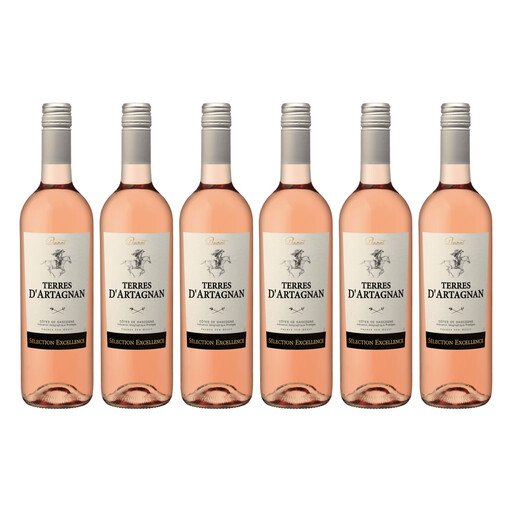
Why this product fits the profile: The 6-pack, with a total of 4.5 litres, is designed for barbecues, summer parties and larger groups. According to the product information, this is a dry rosé from Côtes de Gascogne.
The total volume is clearly stated. This means you can check before buying whether the pack size suits the occasion and the fridge space you have available.
6 bottles of 0.75 litres each; 4.5 litres total; origin Côtes de Gascogne; dry style according to the product description.
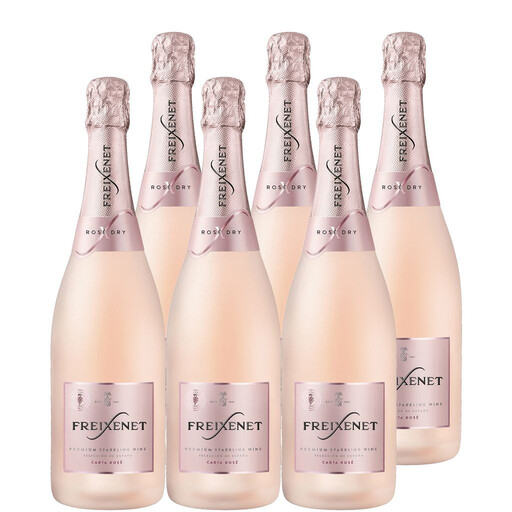
Why this product fits the profile: This Spanish Cava in a 6-pack is ideal for parties and aperitifs where you need several chilled bottles. The product description mentions traditional bottle fermentation and a dry style.
The production method, residual sugar of 17 g/l and recommended chilling are all stated. This allows you to compare this Cava more objectively with other rosé sparkling wines.
6 bottles of 0.75 litres each; traditional bottle fermentation; 11.5 % vol.; serving temperature 6–8 °C.
We’ve put together a full, regularly updated list of products that meet these strict selection criteria and comply with all EU safety regulations.
Dry or off-dry varieties often work well with grilled vegetables, poultry, fish and mild salads. If you’re entertaining several guests, a 6-pack can be a practical choice. What matters most is your preferred sweetness level, the food you’re serving and having enough chilling space.
Once opened, still wine should be resealed and stored in the fridge. Depending on how much is left and the quality of the wine, it’s best consumed within one to three days. Opened sparkling wines lose their fizz more quickly and should be drunk soon after opening.
Before you order, check the volume, pack size, alcohol content, sweetness level, origin, serving temperature and sulphite declaration. For larger packs, also consider your storage space and the occasion. That way, you can buy rosé wine online without being swayed by colour, packaging or general marketing claims alone.