
Lieferung heute & morgen

Qualitätsgarantie

Willkommens-Angebote freischalten: KOSTENLOSE Lieferung | Bis zu 80 % RABATT | Kostenlose 30-Tage-JoyPlus-Testphase
App herunterladen
If you’re looking to buy rosé wine online, you’ll find a wide selection of still wines, Secco and sparkling wines. But with terms such as dry rosé wine, ‘fruity’, ‘fine bubbles’ and ‘premium’, it’s not always immediately clear which product is right for your occasion. Three common buying mistakes often lead to the wrong choice:
The terms dry, off-dry and sweet describe the perceived or stated sugar content. Sparkling wines have their own categories, such as Brut, Extra Dry and Demi-Sec. Extra Dry can taste sweeter than Brut, so don’t confuse these terms with what you might expect from the word ‘dry’ in English.
If you’re looking for a dry rosé wine to serve with grilled fish, salads or as a classic aperitif, look for products labelled ‘dry’ or ‘trocken’. An off-dry rosé wine often pairs well with fruitier dishes and tapas, or suits guests who prefer a softer sweetness.
Still rosé wine contains no added carbon dioxide. Rosé Secco and Vino Frizzante usually have lighter bubbles, while rosé Sekt is more noticeably sparkling. Rosé Prosecco is an Italian speciality made from approved Prosecco grapes, while rosé Cava from Spain may be traditionally bottle-fermented. Rosé Champagne comes from the Champagne region and is made according to the rules that apply there.
Serving temperature also affects the taste. Still rosé wines are often served at around 8 to 12 °C, while sparkling wines are usually served colder. Follow the specific recommendation on the label or product information.
A German rosé wine may come from regions such as the Pfalz or Rheinhessen. French, Italian and Spanish rosé wines each offer different grape varieties and regional styles. However, origin alone isn’t a guarantee of quality.
Before buying, you should also check:
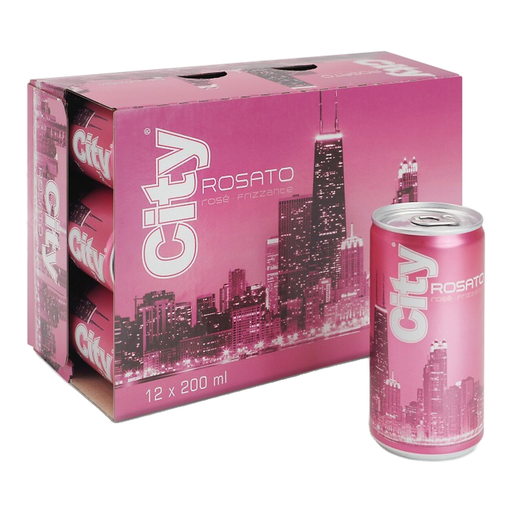
Why this product suits this buyer: The 12 bottles, each holding 0.2 litres, are ideal for individual servings at parties and receptions, or for a single aperitif.
The smaller bottle size helps avoid leftover wine once opened. The stated style is semi-dry, so you can get an idea of the flavour before buying.
12 individual 0.2-litre bottles; 75 kcal and 4.3 g of sugar per 100 ml, according to the product information.
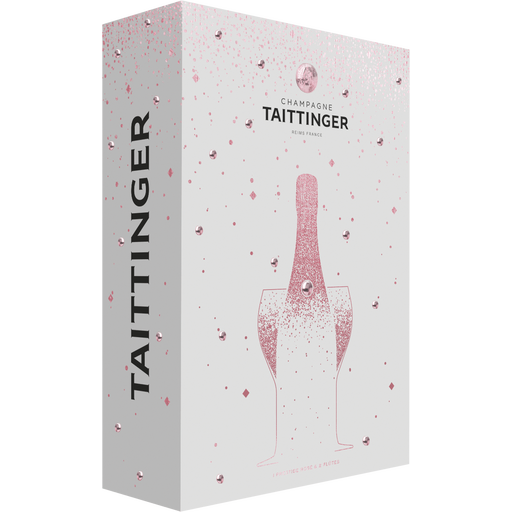
Why this product suits this buyer: The 0.75-litre bottle comes with two genuine Lehmann Champagne glasses, making it a fitting choice for a special occasion or as a gift.
The origin, closure, alcohol content and serving temperature are all clearly stated. The product description also highlights the presence of sulphites.
12.5 % vol; recommended serving temperature of 8 to 10 °C; gift set with two glasses.
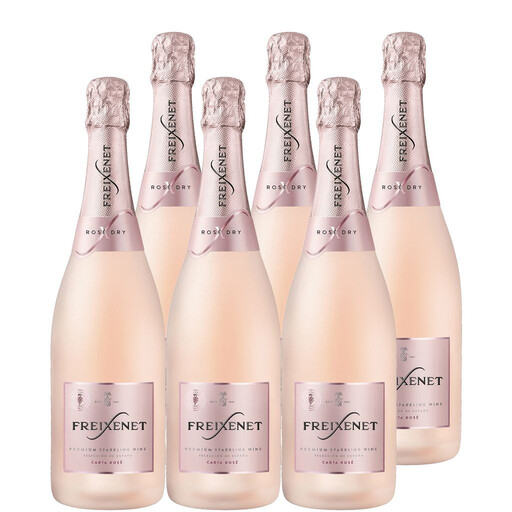
Why this product suits this buyer: This six-bottle pack of Spanish Cava is well suited to birthdays, weddings, barbecues and regular aperitif get-togethers.
The product information lists the origin, traditional bottle fermentation, residual sugar and serving temperature. This means you’re not choosing based on the packaging alone.
Six 0.75-litre bottles; traditional bottle fermentation; recommended serving temperature of 6 to 8 °C.
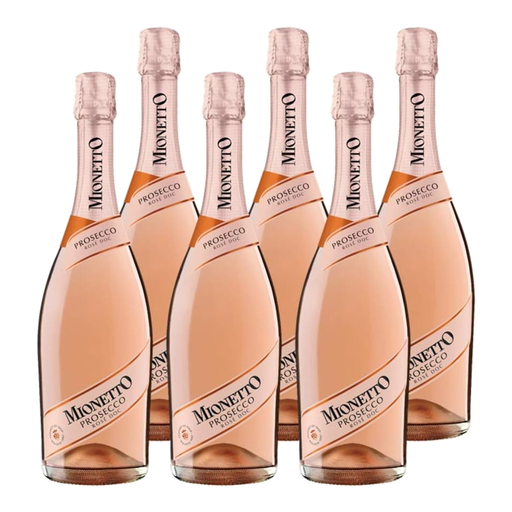
Why this product suits this buyer: This Italian rosé Prosecco is made to be enjoyed as an aperitif, with seafood, risotto or light snacks.
The grape varieties are listed as 85 % Glera and 15 % Pinot Noir, along with the DOC designation. This makes it easier to identify the type of product.
Six 0.75-litre bottles; 11 % vol; serving temperature of 6 to 8 °C; fine, persistent bubbles according to the product information.
We’ve put together a complete, regularly updated list of products that meet these strict selection criteria and fully comply with the safety regulations in force in the EU.
Once opened, still rosé wine should be resealed and kept in the fridge. For the best taste, it’s best to drink it soon, usually within a few days. A suitable sparkling wine stopper can help keep the bubbles in Sekt, Secco and Prosecco for longer. The bottle should also be stored somewhere cool.
Dry rosé wine, rosé Sekt, rosé Secco and rosé Prosecco are often served as aperitifs. The sweetness level, bubbles and serving temperature are all important when choosing. Dry, fresh styles pair well with light snacks, while off-dry options can go well with fruity dishes or mild nibbles.
It depends on the specific offer, bottle size and price per litre. So compare more than just the total price: check the price per litre, alcohol content, sweetness level and intended use too. A multipack can be handy for a larger party. If you rarely drink wine, however, consider how much you need and how long you can store it.
In Germany, alcoholic drinks must not be sold to anyone under the age of 16; higher age limits apply to certain spirits. Alcoholic drinks should be avoided during pregnancy. Please check the product information and drink responsibly.