
Lieferung heute & morgen

Qualitätsgarantie

Willkommens-Angebote freischalten: KOSTENLOSE Lieferung | Bis zu 80 % RABATT | Kostenlose 30-Tage-JoyPlus-Testphase
App herunterladen
If you want to buy rugs online, there’s more to consider than just colours and patterns. Size, material, pile height and backing all affect how practical a rug will be in your living room, bedroom, hallway or children’s room. Product photos can also be misleading: colours may look different on screen, and it can be difficult to judge the actual pile height.
A rug may look just right online but turn out to be too small or too large in your room. This is particularly worth checking with a living room rug. Measure up first to decide whether you want just the coffee table on the rug, or the front legs of your furniture too. A 200 x 200 cm rug may suit a square seating area, while a runner can work better in a long, narrow room.
A deep-pile shaggy rug feels cosy, but may need more care than a flat-weave rug. Crumbs, pet hair and dust can get caught more easily between long fibres. If you have children or pets, consider not only comfort but also how well your vacuum cleaner can handle it.
A rug without suitable backing can slip on smooth floors. This is particularly inconvenient in hallways, beside the bed or in areas with lots of foot traffic. A non-slip rug or a separate rug underlay can help keep it in place. In a hallway, also check that doors, drawers and furniture can still move freely with the rug in place.
Before ordering, mark out the area with masking tape or newspaper to get a feel for how the rug will look in your room. Here are some general pointers:
“Rectangular rug” describes the shape only; it tells you nothing about the material, weight or grip. Check these details separately.
A wool rug can have a distinctive look thanks to its natural fibres and hand-woven finish. Depending on the design, some loose fibres may appear at first. Gentle, regular vacuuming and following the care instructions are important.
A jute rug works well with Scandinavian, boho and country-style interiors. Jute has a textured, hard-wearing feel, but it may not be suitable for areas exposed to a lot of moisture. For kitchens, bathrooms and entrances, check the manufacturer’s advice on cleaning and moisture.
Polypropylene rugs are often available in a range of pile heights and colours. For a shaggy design, consider whether the pile height suits your care routine and where you plan to place your furniture. Always check the specific product details, rather than relying on the material name alone.
Pile or material height affects how a rug feels underfoot, how it looks and how practical it is for everyday use. A rug with a 1 cm pile is usually easier to fit under furniture and doors than a deep-pile design. Weight can give you an idea of how easy it is to handle, but it doesn’t tell you whether the rug is non-slip.
If you’re looking for a rug for underfloor heating, check that the manufacturer specifically says it’s suitable. The product information for the My Flair Shaggy rugs below lists them as suitable for rooms with underfloor heating. However, heat transfer can depend on the floor construction, underlay and heating system.
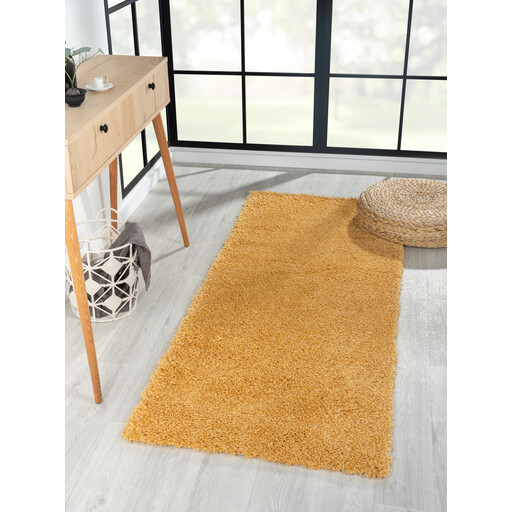
Why it suits this profile: This 200 x 80 cm polypropylene rug works as a colourful accent or a runner for smaller spaces.
The precise measurements and material details help you look beyond an attractive product photo when making your choice.
Polypropylene, yellow colour, stated depth of 4 cm and, according to the product information, suitable for rooms with underfloor heating.
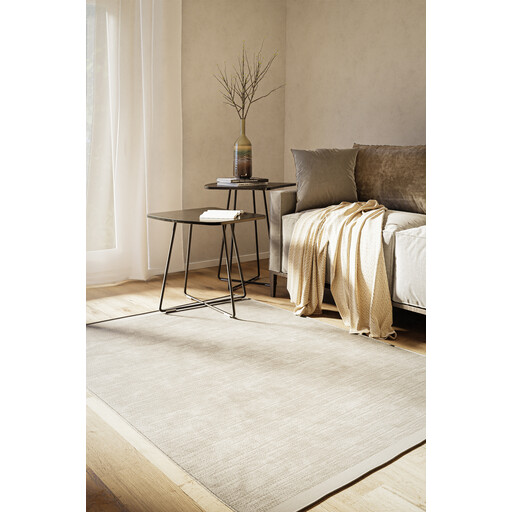
Why it suits this profile: This hand-woven rug, made from 100% virgin wool, pairs a natural colour with a relatively low 1 cm pile.
The material, construction and measurements are clearly stated, making it easier to compare with vague claims about “soft” rugs.
100% virgin wool according to the product details, hand-woven construction, natural shade and a net weight of 5 kg.
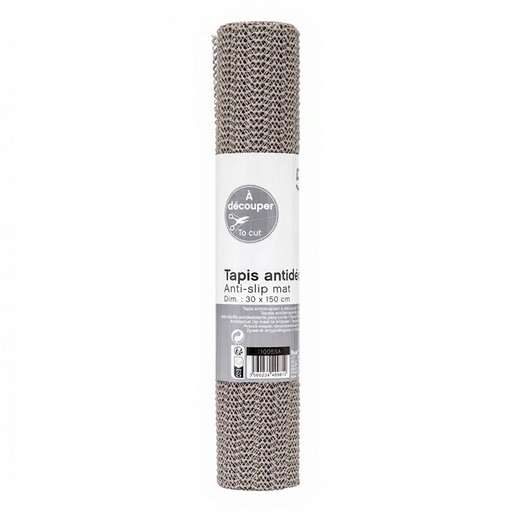
Why it suits this profile: Its narrow shape makes it a practical runner for entrances, hallways, kitchens or bathrooms.
The non-slip backing and low profile are designed to address the risk of the rug slipping or blocking doors.
30 x 150 cm, PVC foam, grey colour, 0.1 cm profile height and stated non-slip backing.
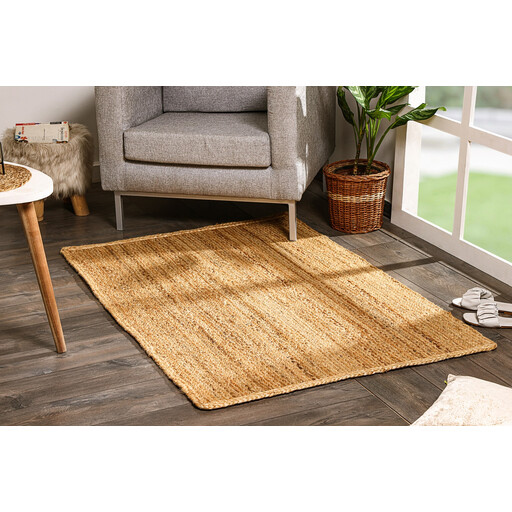
Why it suits this profile: This rectangular jute rug suits natural interior schemes and covers a mid-sized area at 170 x 120 cm.
The natural fibre is clearly specified, so you can check in advance whether its textured surface suits the area where you plan to use it.
100% jute according to the product details, natural colour, 1 cm depth and a net weight of 5 kg.
We’ve put together a complete, regularly updated list of products that meet these strict selection criteria and fully comply with the safety regulations in force in the EU.
Before using your rug for the first time, lay it out according to the manufacturer’s instructions and leave it to air if needed. For deep-pile designs, use a vacuum attachment that won’t put unnecessary strain on the fibres. Treat spills as soon as possible with a product suitable for the material.
An anti-slip underlay can be useful on smooth floors. Make sure it’s the right size for your rug and doesn’t crease. If you have underfloor heating, the underlay should also be suitable for your particular floor construction.
First, decide how you want to arrange your furniture and mark out the area with tape. Then check whether you want the rug to sit just under the coffee table or also under the sofa and armchairs. This will give you a more realistic idea of the width you need before placing your order.
A rug’s lifespan depends on factors including its material, construction, how heavily it’s used, how it’s cared for and how much sunlight it receives. There’s no reliable one-size-fits-all answer in years. Check the material details, weave, care instructions and suitability for the room you have in mind.
A rug doesn’t need its own power supply. Ongoing costs mainly come from vacuuming, suitable cleaning products and, if needed, a rug underlay. A deep-pile rug may take longer to clean than a flat-weave design.