
Lieferung heute & morgen

Qualitätsgarantie

Willkommens-Angebote freischalten: KOSTENLOSE Lieferung | Bis zu 80 % RABATT | Kostenlose 30-Tage-JoyPlus-Testphase
App herunterladen
Anyone looking to buy rum online will quickly find a wide choice of countries of origin, ageing periods, alcohol strengths and flavour profiles. However, this variety can also lead to disappointing purchases. A dark rum is not automatically well aged, a golden rum does not necessarily have pronounced cask flavours, and eye-catching bottle design says little about what is inside.
This buying guide explains which details really matter and which rum suits which occasion – from cocktail evenings to gifts for adult rum enthusiasts.
The terms white rum, golden rum and dark rum initially describe the visible colour, not necessarily the length of time spent ageing in casks. White rum may be filtered or only briefly matured. Golden hues can come from cask ageing or approved caramel colouring. Always check whether a specific age, cask type or simply a colour description is provided.
The term premium rum is not consistently defined across the trade. Verifiable details such as alcohol content, bottle size, country of origin, the ingredients list and, where stated, the ageing period are more meaningful. Descriptions such as “smooth” or “particularly complex” are also impressions of taste rather than uniform quality standards.
The common size rum 0.7 l is equivalent to 700 ml. It is practical for a home bar, while a 0.5-litre bottle may be enough for occasional use or for trying rum for the first time. Many classic rums have an alcohol content of around 37.5 to 40 % vol.; liqueurs can be considerably lower. So don’t just compare the bottle price – consider the quantity, alcohol strength and intended use as well.
For an aged rum, the product description should clearly state how long the rum has been matured. Examples from the selection include Havana Club 7 Year Old, with a stated seven-year ageing period, Myers’ Original Dark Rum with six years, and Angostura 5 Year Old Superior Gold with five years. However, an age statement alone does not define your personal taste. The cask type, distillation method and any added sugar also influence the flavour profile.
For sipping neat, matured bottlings with an aromatic profile featuring notes such as vanilla, wood, spices or dried fruit are often a good choice. Rum for cocktails, on the other hand, should complement the other ingredients:
Read the ingredients list and the information on the label. Depending on the product, it may contain sugar, caramel colouring, spices or natural flavourings. Don Papa Baroko, for example, carries a sulphites warning. Alcoholic drinks are intended for adults only. Alcohol should be avoided during pregnancy and breastfeeding; you must not drive after consuming it.
Opened bottles should be stored upright, tightly sealed, and in a cool, dry place. Direct sunlight and high temperatures can affect the sensory quality. Refrigeration is generally not necessary for classic rum.
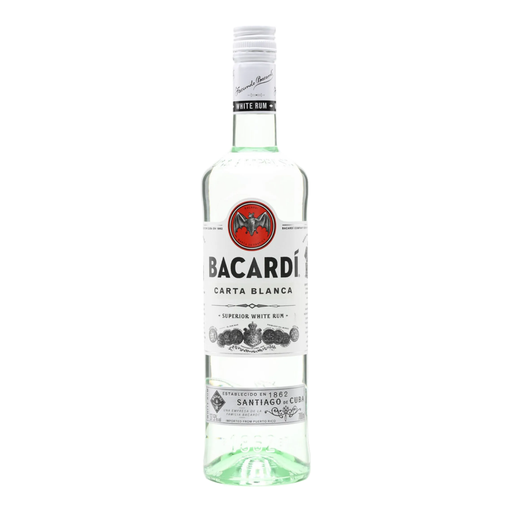
Why this product suits this profile: With 37.5 % vol. and a capacity of 0.7 l, this white rum is designed to be mixed with soda, fruit juice or cola, making it a versatile choice for a home bar.
The product details clearly state the alcohol content, quantity and intended mixed drinks. This means the choice is not based solely on colour or marketing claims.
0.7 l capacity, 37.5 % vol. and a subtle flavour profile for classic long drinks.
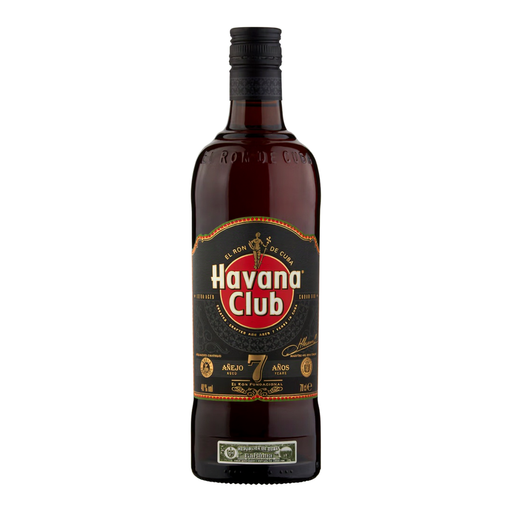
Why this product suits this profile: According to the product details, this Cuban rum has been aged for seven years, has an alcohol content of 40 % vol. and offers a described profile of vanilla, dried fruit, spices and oak.
The stated ageing period provides a clear basis for comparison with younger bottlings.
0.7 l capacity, 40 % vol. and specific details about the ageing period and flavour notes.
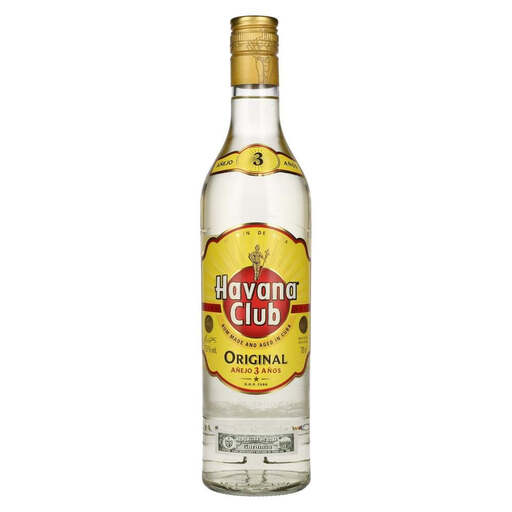
Why this product suits this profile: According to the product description, this light Cuban rum is intended for Mojitos, Daiquiris and Cuba Libres, combining a 0.7 l capacity with 37.5 % vol.
The specific cocktail focus helps prevent you from choosing a strongly cask-led bottling for simple mixed drinks.
Suitable for several classic cocktails; the ingredients list and origin, Cuba, are stated.
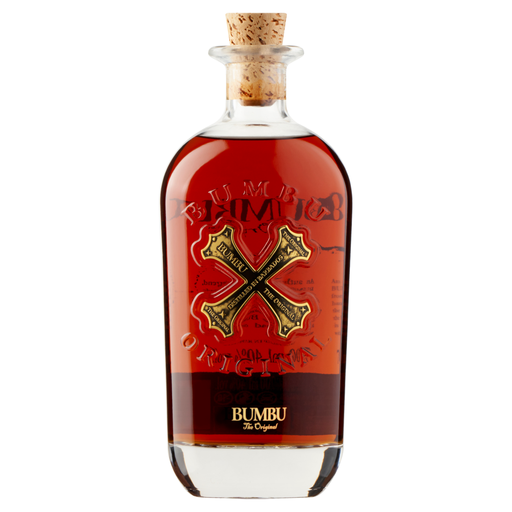
Why this product suits this profile: The distinctive bottle and the described profile of vanilla, toffee and toasted oak make this an interesting choice for adult recipients who enjoy flavourful Caribbean bottlings.
You can assess this choice based on the 40 % vol., 0.7 l capacity and listed ingredients, rather than relying solely on the bottle’s appearance.
0.7 l capacity, 40 % vol. and clearly described vanilla, toffee and oak notes.
We have put together a complete, regularly updated list of products that fully meet these strict selection criteria and the safety regulations applicable in the EU.
A Caribbean rum may come from countries such as Cuba, Jamaica, Trinidad and Tobago or Barbados. Its origin provides an initial point of reference, but does not replace checking the ingredients and production methods. Pampero Aniversario from Venezuela, for example, is described as using a combination of former sherry and bourbon casks. Angostura 1919 comes from Trinidad and Tobago and is described as a blend of several rums with different ageing periods.
For fruity long drinks, a rum liqueur such as Havana Club Mango & Lime or Malibu Original with coconut flavouring may be suitable. Both products have a lower alcohol content than classic rums; Malibu is listed at 18 % vol. If you prefer spicy notes, you could consider a spiced rum such as Captain Morgan Original Spiced Gold at 35 % vol. For richer, sweet and fruity profiles, options include Myers’ Original Dark Rum and Don Papa Baroko.
It depends on the recipe. White rum is a popular base for Mojitos and Daiquiris, while golden rum works well in Cuba Libres or Rum Sours. Dark or spiced varieties can be used in more robust drinks. Check the alcohol content and flavour profile so that the rum is not overpowered by juice, cola or syrup.
Classic rum does not have a short use-by period like fresh food. However, to maintain the best possible quality, the bottle should be tightly sealed, stored upright and protected from light and heat. For rum liqueurs and flavoured products, always follow the information on the label.
The price depends on factors including origin, ageing period, brand, cask ageing and bottle size. So don’t just compare the final price; also consider whether the bottle contains 0.5 or 0.7 l, its alcohol content and how you plan to use it. This makes it easier to decide whether a bottle is suitable for cocktails, sipping neat or giving as a gift.