
Lieferung heute & morgen

Qualitätsgarantie

Willkommens-Angebote freischalten: KOSTENLOSE Lieferung | Bis zu 80 % RABATT | Kostenlose 30-Tage-JoyPlus-Testphase
App herunterladen
The selection of Japanese sake on the market is steadily growing, which can make choosing the right bottle a challenge. Whether you're trying sake for the first time or specifically seeking a premium product for a special occasion, the range of options is vast. This guide is designed to provide clear direction and help you find the perfect sake for your taste and needs. We'll introduce you to different types and offer specific recommendations so you can make an informed choice when you next buy sake.
To find the right Japanese sake, a little basic knowledge is helpful. The following points will guide your purchasing decision, whether you buy sake online or order from a specialty retailer.
One of the most important classifications on a sake bottle is its type, which is closely linked to the rice polishing ratio (Seimaibuai). This value indicates the percentage of the original rice grain that remains after polishing.
Consider the occasion for which you want to enjoy the sake. Are you looking for a companion to a meal or a drink to be savoured on its own?
Based on different flavour profiles and occasions, we've curated a selection that caters to both beginners and connoisseurs.
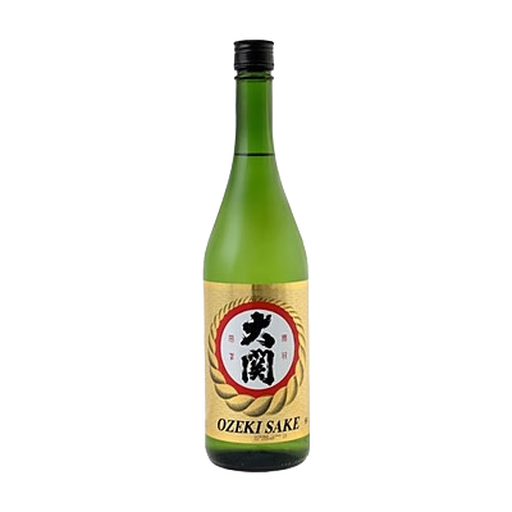
Why It Stands Out The Ozeki Junmai Sake is a traditional example of its type, hailing from one of Japan's most renowned breweries. It is crafted to deliver a smooth, clean taste with a balanced body and a pleasantly dry finish. Its alcohol content is 14.5% ABV.
Pros
Who It's For This sake is a fitting choice for newcomers looking to order sake for the first time, as well as for anyone seeking a straightforward and versatile sake for everyday enjoyment or to accompany meals.
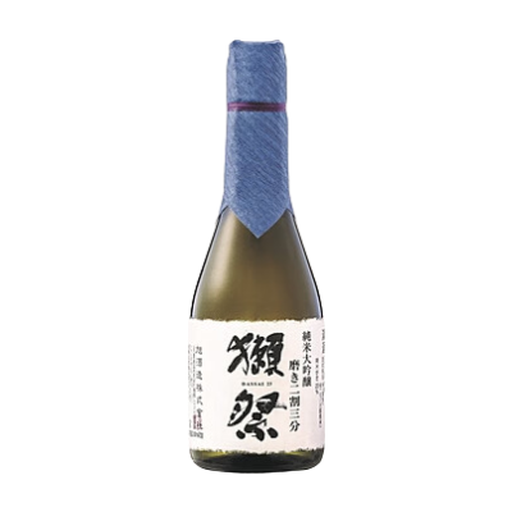
Why It Stands Out The Dassai 23 is a super-premium Junmai Daiginjo renowned for its exceptionally smooth and refined taste. The name "23" refers to its extremely high polishing ratio: only 23% of the rice grain is used in its production. The result is a sake with delicate, fruity aromas, a silky texture, and an elegant, clean finish. The alcohol content is 15% ABV.
Pros
Who It's For This Dassai sake is aimed at connoisseurs and enthusiasts seeking an extraordinary tasting experience. It is an excellent choice for special occasions or as a high-end gift for lovers of premium spirits.
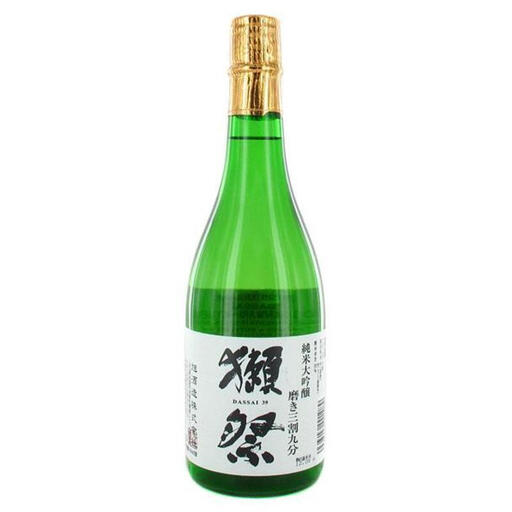
Why It Stands Out Dassai 39, also known as "Sanwari Kyubun," embodies elegance and precision. With a rice polishing ratio of 39%, it bridges the gap between accessible and highly specialized sakes. It is characterized by a beautiful aromatic profile with notes of ripe melon, a balanced sweetness, and a long, satisfying finish. The alcohol content is 16% ABV.
Pros
Who It's For Ideal for sake drinkers ready to take the next step from an entry-level sake to a premium product. It is also an excellent choice for anyone wanting to experience the craftsmanship of Dassai sake but prefers a slightly more accessible option than the Dassai 23.
The world of sake is rich and diverse. If you wish to discover more Japanese specialties or other high-quality spirits, you'll find further inspiration in our carefully curated collection.
Explore Our Entire Selection of Premium Spirits
Although sake is often called "rice wine," its production process is different. Sake is brewed, much like beer, where starch in the rice is converted into sugar by a koji mould, which is then fermented into alcohol by yeast. Wine, on the other hand, is made by fermenting the natural sugars in fruit. So, if you're looking to buy rice wine, sake is a specific, brewed variety.
Proper storage is crucial for maintaining quality. Unopened sake should be stored in a cool, dark place away from direct sunlight. Particularly delicate, unpasteurised (Namazake), or high-grade varieties like Junmai Daiginjo should be kept in the refrigerator. Once opened, every bottle of sake belongs in the fridge and should be consumed promptly, ideally within a few days to a week, to prevent the loss of its delicate aromas.
No, not every sake is suitable for warming. While simpler and more robust types of sake, such as some Junmai or Honjozo varieties, can reveal pleasant new flavour notes when warmed (known as "kanzake"), high-quality and aromatic sakes like Ginjo and Daiginjo should almost always be served chilled. Heat would destroy their delicate and complex fruit and floral aromas.