
Lieferung heute & morgen

Qualitätsgarantie

Willkommens-Angebote freischalten: KOSTENLOSE Lieferung | Bis zu 80 % RABATT | Kostenlose 30-Tage-JoyPlus-Testphase
App herunterladen
Anyone looking to buy Japanese sake for the first time is often faced with a shelf full of unfamiliar terms and ornate labels. This variety can quickly lead to regrettable purchases. Many people simply choose based on price or an attractive bottle, without understanding the key quality indicators. The result is often disappointment, as the taste doesn't meet expectations or the expensive bottle is handled incorrectly.
This guide will help you navigate the typical pitfalls. We focus on the objective criteria that truly matter, so you can confidently find the sake that perfectly suits your taste and occasion.
Before we dive into the details, let's look at two common mistakes that often lead to dissatisfaction:
You don't need to be a connoisseur to find a suitable sake. You only need to understand two fundamental parameters that significantly determine its character and quality.
The most important quality indicator for sake is the rice polishing ratio (Seimai-buai). This percentage indicates how much of the original rice grain remains after polishing. The lower the number, the more the grain has been polished to remove fats and proteins from the outside. What remains is the pure starch at the core, which results in a more refined and aromatic sake.
In addition to the quality class, there are various sake styles that greatly influence the drinking experience.
Instead of presenting an overwhelming list, we have selected a few products from our range and matched them to typical user profiles.
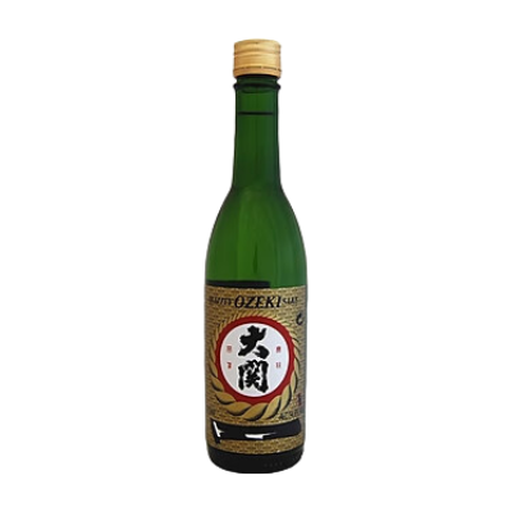
Why This Fits Their Persona: An ideal starting point. This sake is a classic Junmai—balanced and straightforward. The 375ml bottle is perfect for trying it out without committing to a large volume.
The clear Junmai classification ensures you're getting a pure rice sake. Its versatility allows it to be enjoyed both chilled and warm, minimising the risk of serving it at the wrong temperature.
Balanced, slightly dry flavour. Pairs well with many dishes, making it an accessible all-rounder.
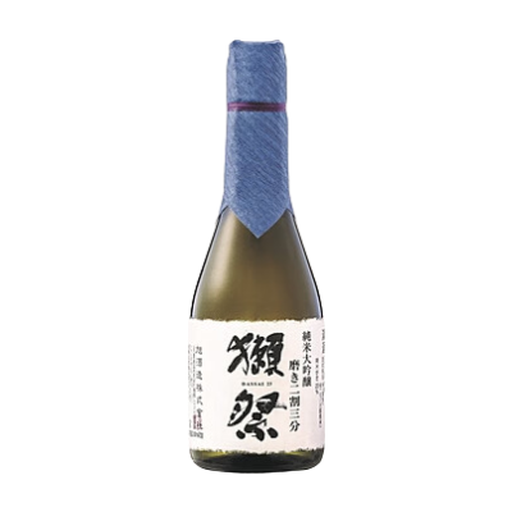
Why This Fits Their Persona: For those seeking an exceptional taste experience. This sake is a benchmark for the Junmai Daiginjo category, renowned for its silky texture and elegant, fruity notes.
The extremely high polishing ratio of 23% is an unmistakable, objective mark of quality. Here, you're not just buying a label, but verifiable craftsmanship. The recommendation to serve it chilled is clear.
Exceptionally smooth and clean taste with notes of melon and peach. Long, clean finish.
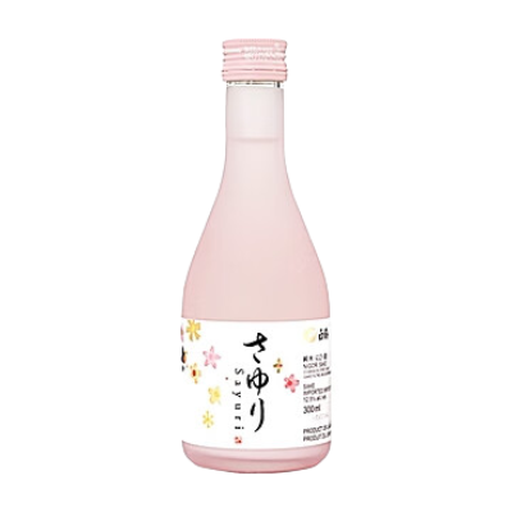
Why This Fits Their Persona: For anyone looking for a change from clear sake. This Nigori sake offers a completely different mouthfeel—creamy, rich, and with a subtle sweetness.
The Nigori (cloudy) designation and milky appearance make it immediately clear that this is a special style. You know exactly what you're getting and won't have an unexpected surprise when pouring.
Unique creamy texture. Subtly sweet flavour profile that pairs well with spicy foods or as a dessert companion.
If you want to explore the full diversity of Japan's national beverage, our Sake Shop features a comprehensive selection that meets these quality criteria.
For a classic pairing with sushi or sashimi, a dry sake (Karakuchi) from the Junmai or Ginjo class is ideal. Its crisp and refreshing profile cleanses the palate between bites without overpowering the delicate flavour of the fish. The Ozeki Junmai Sake Dry is an excellent choice for this.
Once opened, a bottle of sake should be re-sealed and stored in the refrigerator. Finer sakes like Ginjo and Daiginjo, in particular, should be consumed within one to two weeks, as their delicate aromas fade quickly. More robust Junmai sakes can sometimes last a bit longer.
While a specialised Sake Shop can offer in-person advice, ordering sake online has clear advantages. You have access to a much larger selection of brands and styles from all over Japan, can compare prices directly, and often find rarer bottlings that are not available in local stores.