
Same-day & Next-day Delivery

Quality Guaranteed

Unlock Your Welcome Offers: FREE Delivery | Up to 80% OFF | Free 30-day JoyPlus trial
Download the APP
Whether you're looking to buy sake for the first time or expand your collection, the sheer variety of bottles and terms can be overwhelming. Marketing labels and vague descriptions often lead to disappointing purchases. As your Joybuy Product Recommendation Officer, I'm here to help you identify the key characteristics and make a selection that truly suits your taste and occasion.
Many buyers rely on well-known but often misunderstood characteristics, which frequently leads to disappointment. Here are three typical mistakes to avoid:
To find the right Japanese rice wine, you should focus on a few objective criteria. These will help you better assess the quality and character of a bottle before you order online.
The classification provides the most important clue to the sake's style. It is based on two factors: the rice polishing ratio (Seimai-buai) and whether brewer's alcohol has been added.
The Sake Meter Value (SMV), or Nihonshu-do (日本酒度) in Japanese, is a scale that indicates the relative sugar and acid content.
This information isn't always on the label, but many online descriptions include it, and it serves as a useful guide for personal preference.
Instead of making a blanket recommendation, we have matched products to different user profiles and occasions.
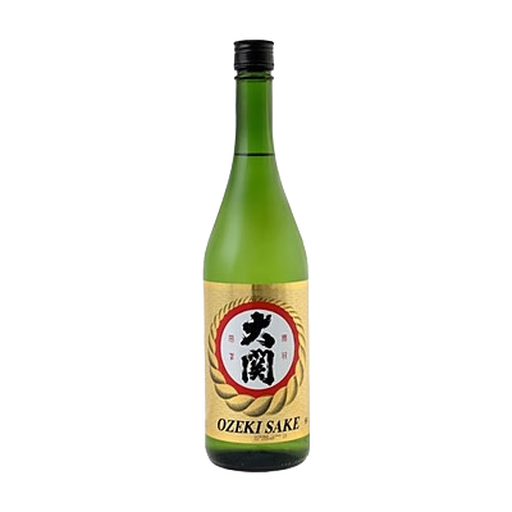
Why This Fits Their Persona: Ideal for anyone looking for a straightforward introduction to the world of Junmai sake. Its balanced profile makes it a versatile companion for a wide range of dishes, from sushi to grilled meats.
This product shows that "Junmai" stands for a solid, pure rice flavour without being overly complex (avoids Pitfall 1). It can be enjoyed chilled, at room temperature, or warm, breaking the cliché of being just a "hot sake" (avoids Pitfall 3).
Balanced, smooth taste with a pleasantly dry finish. Highly versatile in its serving temperatures.
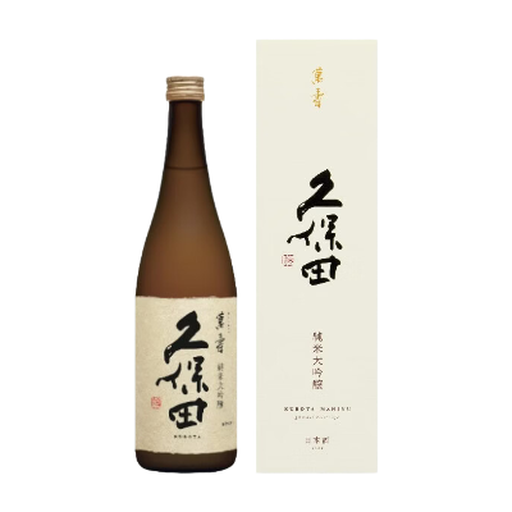
Why This Fits Their Persona: For enthusiasts seeking a premium sake for a special moment or as a sophisticated gift. This Junmai Daiginjo represents the fine art of sake brewing.
This product impressively demonstrates the importance of the polishing ratio (avoids Pitfall 2). The high polishing rate results in an exceptionally smooth and complex flavour profile that clearly distinguishes it from simpler sakes.
Soft, gentle mouthfeel with a balanced umami flavour. Its complex aroma is best revealed when served lightly chilled.
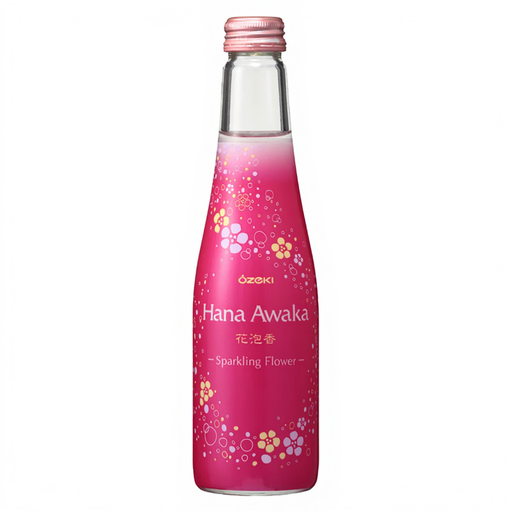
Why This Fits Their Persona: An excellent choice for festive occasions, as an aperitif, or for those seeking a lighter, sparkling alternative to traditional sake or sparkling wine. This sparkling sake is modern and approachable.
This product radically breaks from the cliché of traditional, warm sake (avoids Pitfall 3). It showcases the innovative side of the sake world and must be enjoyed ice-cold to bring out its refreshing effervescence.
Light and refreshing with gentle sweetness and fine carbonation. The low alcohol content of 5% makes it an ideal drink for light enjoyment.
We have compiled a complete, up-to-date list of products that meet these strict selection criteria and quality standards.
Unopened sake should be stored upright in a cool, dark place to minimise contact with the cap. Avoid direct sunlight and temperature fluctuations. Once opened, the bottle belongs in the refrigerator and should be consumed within a few days to a few weeks, as the sake will lose its aroma. Unpasteurised sake (Namazake), in particular, must be kept refrigerated at all times.
Sake is a specific type of Japanese rice wine, also known as Nihonshu. The term "rice wine" is more general and can also include alcoholic beverages made from rice from other countries, such as China (e.g., Mijiu) or Korea (e.g., Makgeolli), which are produced using different methods. So, when you refer to sake, you are always referring to the Japanese national beverage.
A traditional sake set, consisting of a carafe (tokkuri) and small cups (ochoko), is a nice addition for an authentic experience but is not essential. For aromatic premium sakes like Ginjo or Daiginjo, a standard white wine glass is an excellent choice as it better showcases the delicate aromas. Therefore, a simple glass is perfectly sufficient to get started.