
Lieferung heute & morgen

Qualitätsgarantie

Willkommens-Angebote freischalten: KOSTENLOSE Lieferung | Bis zu 80 % RABATT | Kostenlose 30-Tage-JoyPlus-Testphase
App herunterladen
The world of Japanese sake is fascinating and diverse, yet for many buyers in Germany, the selection can be overwhelming. The labels are often filled with unfamiliar terms, and the price differences are significant. Shopping without information risks spending money on a product that doesn't meet your expectations. The most common pitfalls, however, are easy to avoid.
A common mistake is assuming that a high price automatically means high quality for every occasion. An expensive, delicate Junmai Daiginjo is an excellent choice for sipping neat, but its subtle aromas would be completely lost in a marinade or a stew. Another point is the confusion between sake types. Someone expecting a clear, filtered sake who unknowingly buys an unfiltered Nigori Sake will be surprised by its milky texture. To avoid such disappointments, it's helpful to know a few basic parameters.
Just a few key criteria are enough to make an informed decision. These will help you decipher the information on the label and find the right Japanese sake for your needs.
A sake's quality and character are largely determined by the polishing ratio of the rice grain, also known as Seimai-buai. This value indicates what percentage of the original rice grain remains after polishing. The lower the percentage, the more the grain has been polished to remove fats and proteins, resulting in a finer and often more aromatic sake.
The flavour profile of a sake ranges from very dry to noticeably sweet. An indicator for this is the "Sake Meter Value" (SMV) or Nihonshu-do. A positive value (e.g., +5) indicates a drier sake (dry sake or karakuchi), while a negative value (e.g., -2) suggests a sweeter profile (amakuchi). If this value is not on the label, the manufacturer's descriptions often provide clues.
The intended use is crucial for your selection:
Based on these criteria, we have selected a few products suitable for different profiles.
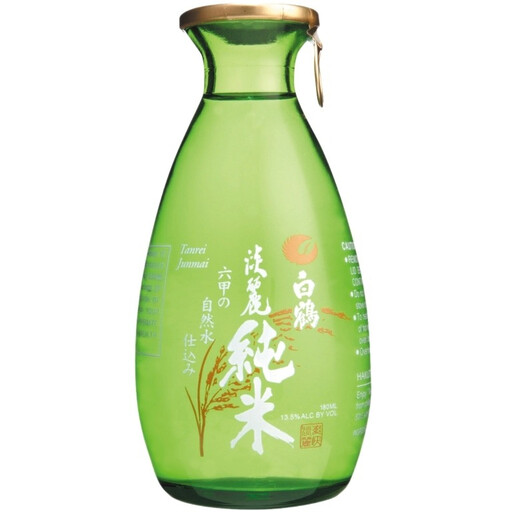
Why This Fits Their Persona: Ideal for a first encounter with sake. The small 180 ml bottle allows for a taste without a large investment. As a classic Junmai, it offers a pure, unadulterated flavour and is versatile enough to be enjoyed both chilled and warmed.
Prevents being overwhelmed by overly complex aromas and avoids a high expense for a large bottle before one's preferences are known. A clearly defined, accessible type of sake.
Smooth, semi-dry flavour profile. Can be served chilled or warm, which invites experimentation.
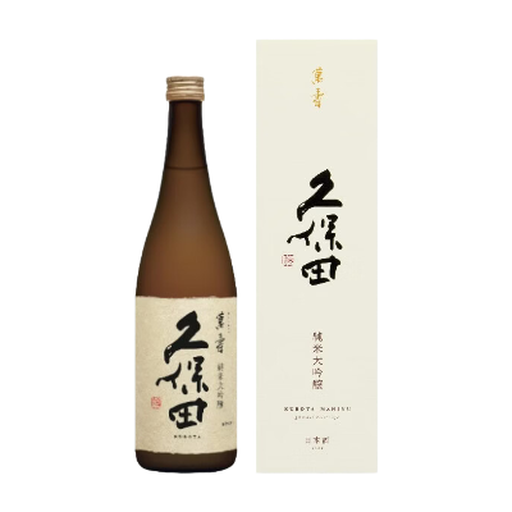
Why This Fits Their Persona: This is a choice for connoisseurs seeking a refined and complex sake for a special moment. As a Junmai Daiginjo, it represents the pinnacle of brewing artistry and offers a deep, nuanced tasting experience that should be enjoyed neat.
This is a deliberate investment in quality, not an accidental poor purchase. The buyer is specifically choosing a premium product whose characteristics (high polishing ratio, complex aromas) are appreciated.
Soft, smooth mouthfeel with a balanced umami flavour. A complex aroma that unfolds when slightly chilled or warmed.
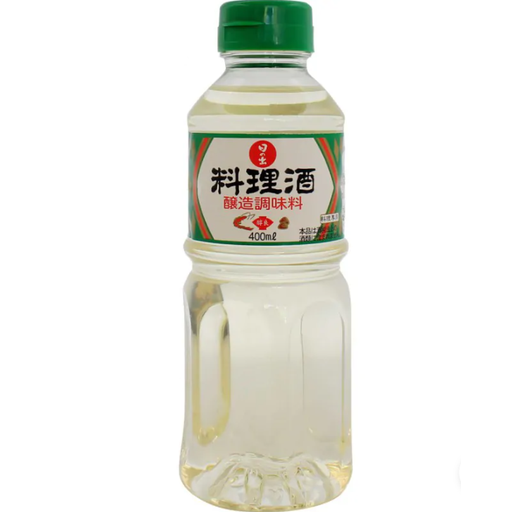
Why This Fits Their Persona: For home cooks who want to prepare authentic Japanese dishes. This cooking sake is specifically designed to deepen flavours in food, tenderise meat, and neutralise unwanted odours from fish or meat.
Prevents wasting expensive drinking sake in the kitchen. The special formulation with salt is optimised for cooking, something a regular sake cannot provide.
Contains salt and other seasoning ingredients for an intense umami flavour. Convenient PET bottle for easy handling in the kitchen.
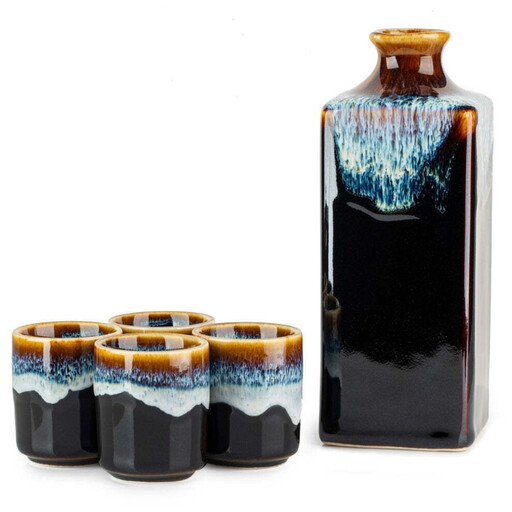
Why This Fits Their Persona: For anyone looking for a tasteful and culturally appealing gift. A complete Sake Set offers not just a product, but an entire experience. It shows appreciation for Japanese culture and is ready to use immediately.
Solves the problem of not knowing which bottle of sake is the right one. A high-quality set is universally appealing and focuses on the shared experience of enjoyment, regardless of the specific sake variety.
Complete ceramic set with a carafe and four cups. Comes in an elegant gift box and is dishwasher-safe.
We have compiled a complete, up-to-date list of products that fully meet these strict selection criteria and German regulations.
Most sake bottles should be stored in a cool, dark place away from direct sunlight to protect the aromas. After opening, the bottle should be tightly sealed, kept in the refrigerator, and consumed within a few weeks. Special care should be taken with unpasteurised sake (Nama-zake); it must be kept refrigerated at all times.
Drinking sake is made for pure enjoyment, with a focus on delicate aromas, texture, and flavour. Cooking sake (Ryorishu), on the other hand, is a condiment. It typically contains salt and has a lower alcohol content. Its purpose is to add umami to dishes and reduce unwanted odours, not to be drunk.
Yes, the serving temperature has a major impact on the tasting experience. Many premium sakes like Ginjo and Daiginjo unfold their delicate, fruity aromas best when slightly chilled (hiyazake). Others, especially full-bodied Junmai types, can also be enjoyed at room temperature or warmed (atsukan), which enhances their rich notes and sweetness. The manufacturer's recommendations often provide the best guidance here.