
Lieferung heute & morgen

Qualitätsgarantie

Willkommens-Angebote freischalten: KOSTENLOSE Lieferung | Bis zu 80 % RABATT | Kostenlose 30-Tage-JoyPlus-Testphase
App herunterladen
If you're looking to buy sake, you're often confronted with a wall of unfamiliar terms and an ever-expanding selection. Fascination with this traditional Japanese beverage is steadily growing in Germany, but so is the uncertainty when it comes to making a selection. Common misconceptions can easily lead to a purchase that doesn't suit your palate. Before you order sake online, it's helpful to know the most common pitfalls to make an informed decision.
The 3 Most Common Mistakes When Buying Sake:
You don't need to be an expert to find the right sake. Simply understanding three key characteristics listed on most bottles is enough.
This classification indicates the ingredients and production method.
This percentage indicates how much of the original rice grain remains after polishing.
The Nihonshu-do (日本酒度), also called the Sake Meter Value (SMV), is an indicator of the residual sugar content.
The interplay with acidity (San-do) determines the final taste experience. Higher acidity can make a sweet sake seem more balanced and less sweet.
Here are some recommendations tailored to different profiles and needs.
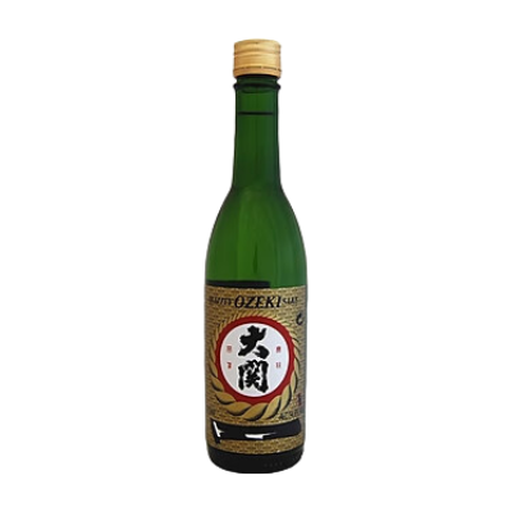
Why This Fits Their Persona: This classic Junmai sake offers a balanced and smooth profile that is very approachable. The 375ml bottle is ideal for a first tasting without having to commit to a large quantity. It's a versatile choice that can be enjoyed on its own or with a variety of simple dishes.
As a straightforward Junmai, it avoids the complexity and high price of a Daiginjo (Mistake #2). Its balanced profile provides a solid reference point, preventing the sweet-or-dry surprise (Mistake #3).
Versatile (can be served cold or warm); Approachable, mild flavour profile.
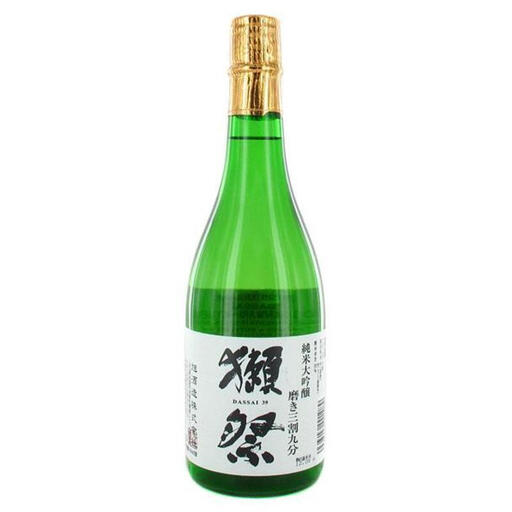
Why This Fits Their Persona:Dassai sake is an internationally recognised name for premium quality. This Junmai Daiginjo, with a 39% polishing ratio, delivers the refined, aromatic, and elegant experience that connoisseurs seek. It is a statement product for special occasions or as a sophisticated gift.
This product is for those who are specifically seeking the qualities of a highly polished sake, thus intentionally avoiding Mistake #2. The product's reputation for a clean, nuanced profile ensures the buyer gets the exact premium experience they are paying for.
High polishing ratio (39%) for exceptional smoothness; Complex, fruity-floral aroma.
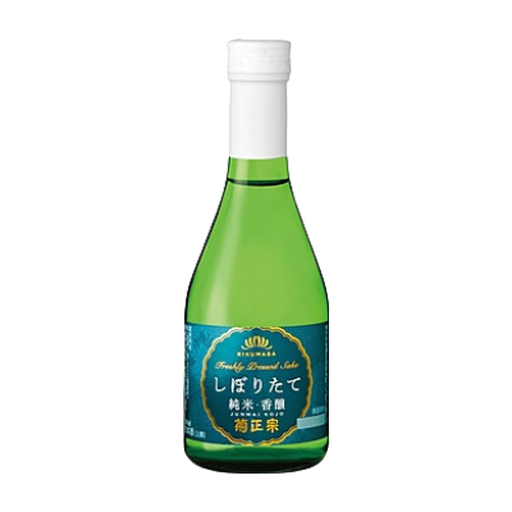
Why This Fits Their Persona: This "Shiboritate" (freshly pressed) Junmai is unpasteurised, giving it a vibrant and fresh character. Its clean, refreshing finish complements the delicate flavours of sushi and other Japanese dishes without overpowering them. Kikumasamune is a brand renowned for excellent food-pairing sake.
This sake is typically on the drier side, making it a reliable choice for anyone looking for a dry sake (avoids Mistake #3). Its focus on a clean finish makes it a practical choice for meals (avoids Mistake #2).
Unpasteurised ("Kojo") for a fresh, lively character; Clean, dry profile, ideal with food.
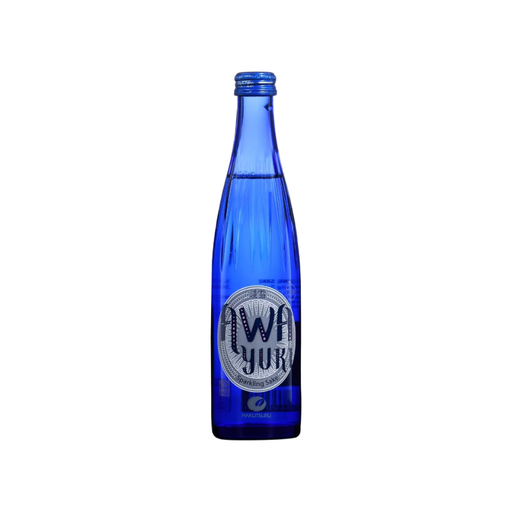
Why This Fits Their Persona: For those looking beyond traditional sake, this sparkling sake offers a completely different experience. It is light, bubbly, and has a lower alcohol content (5.5%). It's excellent as an aperitif or as a festive alternative to other sparkling wines.
This product clearly positions itself as something different, avoiding the "rice wine" confusion (Mistake #1) by highlighting its sparkling nature. Its purpose is enjoyment and celebration, not complex food pairing, which makes the choice straightforward.
Light and bubbly with low alcohol content; Sweetish, refreshing taste.
We have curated a complete, up-to-date list of products that meet these strict selection criteria.
Sake is sensitive to light and heat. Unopened bottles should be stored in a cool, dark place—ideally in the refrigerator, especially for unpasteurised (Namazake) or high-grade Ginjo and Daiginjo types. Once opened, the bottle should always be kept in the refrigerator and consumed within a few days to a week at most to preserve its fresh taste.
That depends on the type of sake. Light, aromatic, and delicate sakes like Ginjo and Daiginjo are typically served chilled (around 8–12°C) to showcase their fine aromas. Fuller-bodied and earthier Junmai sake or Kimoto types can also be enjoyed at room temperature or gently warmed (around 40–45°C), which enhances their umami notes. The product description often provides a recommendation.
Although sake is often called 'Japanese rice wine,' the production process is fundamentally different. Wine is made by fermenting sugar from fruit (like grapes). Sake, on the other hand, is brewed in a process similar to beer. The starch in the rice is first converted into sugar by a mould (koji), which is then simultaneously fermented into alcohol by yeast. This process, known as 'multiple parallel fermentation,' is unique to sake.