
Lieferung heute & morgen

Qualitätsgarantie

Willkommens-Angebote freischalten: KOSTENLOSE Lieferung | Bis zu 80 % RABATT | Kostenlose 30-Tage-JoyPlus-Testphase
App herunterladen
The world of sake, the traditional Japanese rice wine, is fascinating and diverse. However, those looking to order sake online in Germany are often faced with a daunting selection. Different classifications, unfamiliar terms, and appealing labels can make the purchasing decision difficult. This guide will help you avoid the common pitfalls and find the sake that truly matches your preferences.
As a Joybuy Product Recommendation Officer, I analyse the market to provide you with objective and practical advice. The goal is to help you make informed decisions rather than falling for marketing hype.
To make an informed decision, a few crucial parameters are more important than any marketing description.
The most fundamental distinction in sake is whether or not distilled brewer's alcohol has been added.
The polishing ratio indicates what percentage of the original rice grain remains after polishing. The lower the number, the more the grain has been polished, and the finer, lighter, and more aromatic the sake tends to be.
Besides the clear, filtered Japanese rice wine, there are other exciting varieties:
Here are some recommendations tailored to different needs and taste profiles.
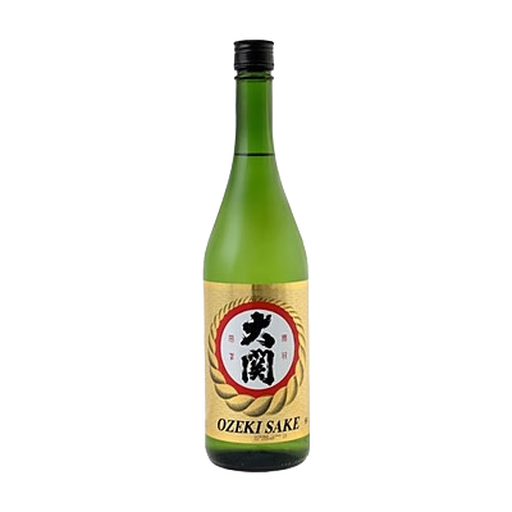
Why This Fits Their Persona: Ideal for anyone who wants to explore the classic Junmai style without a big investment. This sake is a straightforward all-rounder, suitable for sipping on its own or pairing with a wide variety of dishes.
It carries the clear Junmai designation, so you know you're getting a pure rice wine with no added alcohol. It avoids the confusion of complex premium categories and offers an authentic, foundational experience.
Balanced, slightly dry flavour. Can be enjoyed cold, at room temperature, or warm, making it extremely versatile.
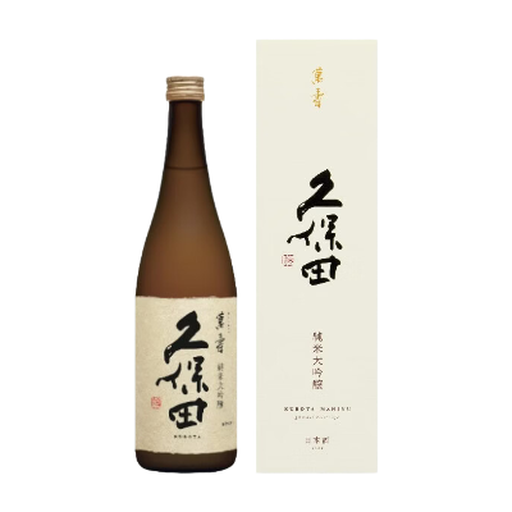
Why This Fits Their Persona: For connoisseurs and special occasions. This sake is for those seeking a refined, elegant flavour experience or looking to give a high-quality sake gift. It represents the high art of sake brewing.
The classification as Junmai Daiginjo is a clear mark of quality, guaranteeing a high polishing ratio and meticulous production. Here, you're investing not just in a beautiful label, but in verifiable premium quality.
Soft, smooth mouthfeel with a complex and balanced umami flavour. A very fine and elegant finish.
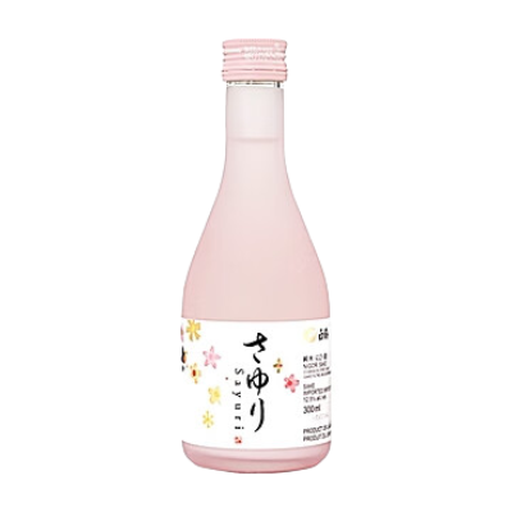
Why This Fits Their Persona: Perfect for anyone who is already familiar with clear sake and wants to try something new. This Nigori sake offers a completely different textural and flavour experience, making it an excellent aperitif or dessert pairing.
The Nigori (cloudy) designation and distinctive bottle make it immediately clear that this is a special style. This prevents you from buying it by mistake and thinking the cloudiness is a flaw.
Unique creamy texture from the remaining rice particles. Subtly sweet and rich flavour that is still refreshing.
We've compiled a complete, up-to-date list of products that meet these strict selection criteria and regulations.
For sake for sushi, light and dry varieties are best, as they don't overpower the delicate flavour of the fish. A dry sake of the Junmai, Ginjo, or Daiginjo class is an excellent choice. Their clean and often slightly fruity profile harmonises well with rice and raw fish. Avoid very sweet or robust sake types.
Opened sake should always be stored in the refrigerator. Most sakes will maintain their quality for about a week. Particularly delicate, aromatic sakes like a Junmai Daiginjo or unpasteurised "Nama" sake should ideally be consumed within 2-3 days, as their fine aromas dissipate quickly.
It depends on the sake. A simple rule of thumb is: the higher the quality and the more delicate the aromas (e.g., Ginjo, Daiginjo), the more likely the sake should be served chilled (approx. 10–15 °C). Fuller-bodied Junmai sakes can also be enjoyed at room temperature or slightly warmed (approx. 40–45 °C), which can enhance their umami notes. Sparkling Sake is always served well-chilled. When in doubt, read the manufacturer's recommendation on the bottle.