
Lieferung heute & morgen

Qualitätsgarantie

Willkommens-Angebote freischalten: KOSTENLOSE Lieferung | Bis zu 80 % RABATT | Kostenlose 30-Tage-JoyPlus-Testphase
App herunterladen
Anyone standing in front of the sake aisle for the first time to buy sake can often feel overwhelmed by the variety of bottles and Japanese characters. This uncertainty frequently leads to two common mistakes: either reaching for an expensive premium sake whose subtle nuances you can't yet appreciate, or accidentally purchasing cooking sake and being disappointed by the taste. Another pitfall is the false assumption that all types of sake taste the same or are served in the same way.
This guide will help you avoid these pitfalls. We'll explain the key characteristics that determine quality and flavour, so you can confidently find the Japanese rice wine that suits your occasion and taste profile—whether you're a beginner, a connoisseur, or looking for a special gift.
To make an informed decision, three core parameters are crucial. They define the character, quality, and ultimately the price of a bottle of sake.
The most important quality indicator for sake is the rice polishing ratio (Seimaibuai). The more of the rice grain's outer layer is polished away, the purer the starch at its core, resulting in a more refined and aromatic sake.
A sake's flavour profile is often indicated by the Sake Meter Value (SMV), or Nihonshudo (日本酒度). This scale helps provide guidance:
A value around ±0 is considered neutral. This figure is a good guideline, but the final taste experience is also influenced by acidity and aroma.
Beyond the clear, filtered sake varieties, there are also specialities that offer a different drinking experience:
Instead of making a blanket recommendation, we have selected products for specific user profiles. This way, you can find the right sake with confidence.
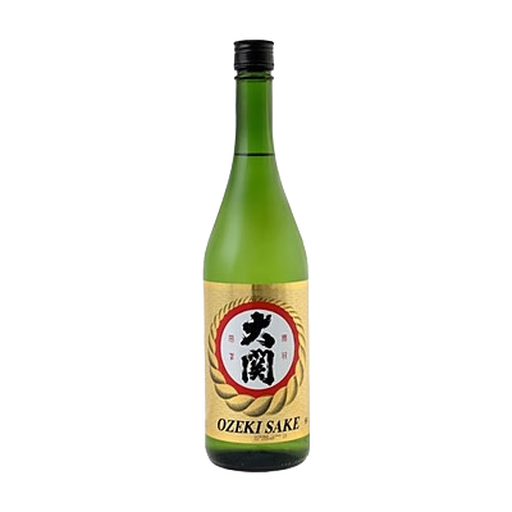
Why This Fits Their Persona: This classic Junmai sake is an ideal entry point. Its balanced, smooth, and slightly dry profile makes it highly approachable and an excellent companion for a wide range of dishes, from sushi to grilled meats.
It offers an authentic Junmai experience without the high price of a Daiginjo. This helps you avoid paying for a complex flavour profile that might be overwhelming at the start.
Versatile enough to be enjoyed warm or cold; clear, pure flavour profile; excellent value for money for beginners.
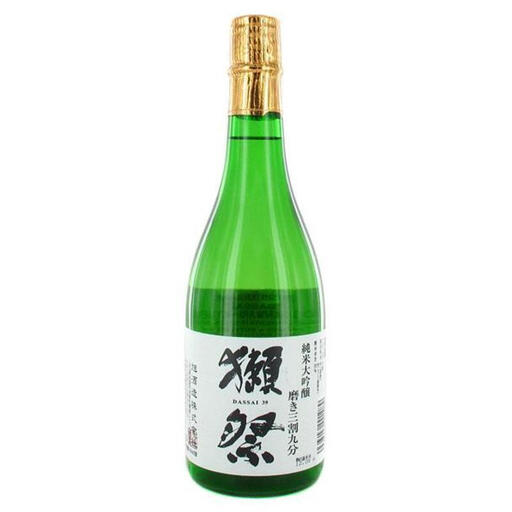
Why This Fits Their Persona: For those specifically seeking a refined and elegant taste experience. With a 39% polishing ratio, this Junmai Daiginjo represents the high art of sake brewing and is internationally renowned for its delicate, fruity aroma.
This is a deliberate investment in quality for connoisseurs who appreciate the subtle notes of a Daiginjo. It's not an impulse buy, but a targeted choice for a special occasion.
Exceptionally smooth mouthfeel; complex aroma with notes of ripe melon; long, satisfying finish.
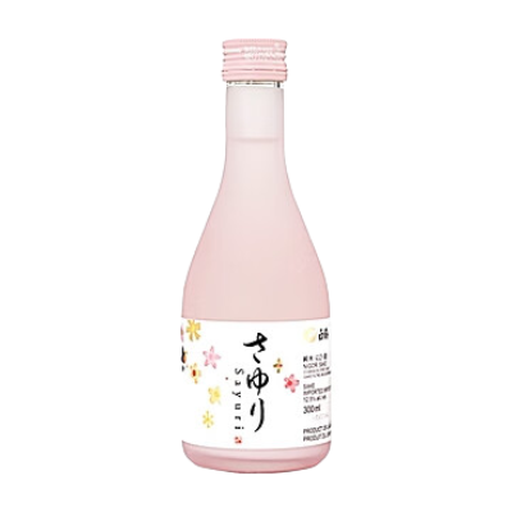
Why This Fits Their Persona: For those looking for something different from classic clear sake. This Nigori Sake offers a completely new mouthfeel and taste experience with its creamy texture and subtly sweet flavour.
This is a deliberate choice for an unconventional style. It prevents the disappointment of accidentally buying a cloudy sake without knowing that its texture and flavour are intentional.
Unique, creamy texture; subtly sweet and rich flavour; provides an authentic cloudy sake experience.
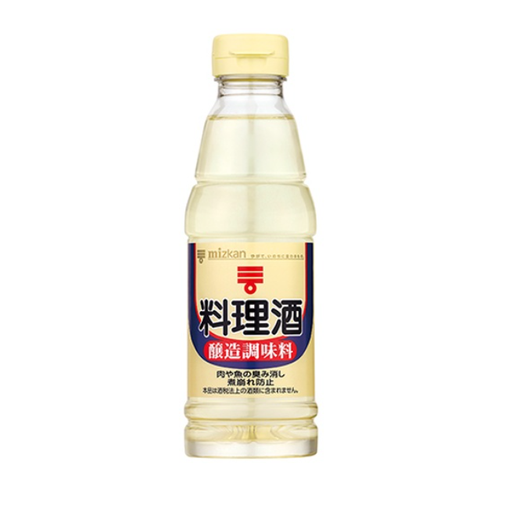
Why This Fits Their Persona: This cooking sake (Ryorishu) is specifically developed for culinary use. It contains salt and other seasonings to deepen the flavour of marinades, sauces, and braised dishes, and to tenderise meat and fish.
It solves the core problem of confusion: this sake is clearly labelled as a cooking ingredient, preventing you from drinking it or, conversely, using expensive drinking sake for cooking.
Specially formulated for cooking; adds depth and umami to dishes; more cost-effective than using drinking sake.
We have compiled a complete, up-to-date list of products that meet these strict selection criteria. Discover the perfect Sake Set for a stylish experience.
Sake is sensitive to light and heat. Unopened bottles should be stored in a cool, dark place, ideally upright. Particularly delicate varieties like Ginjo, Daiginjo, and unpasteurised sake (Nama) should be refrigerated from the start. Once opened, any bottle should be kept in the refrigerator and consumed within a few weeks to preserve the freshness of its aromas.
No. While some more robust sake types like Junmai or Honjozo taste excellent when warmed (known as "Atsukan"), which helps to unfold their umami notes, the delicate, fruity aromas of Ginjo and Daiginjo should not be destroyed by heat. These premium varieties are almost always served chilled to preserve their delicate bouquet. As a rule of thumb: the more aromatic and lighter the sake, the cooler it should be served.
There is no difference. The term "sake" (酒) is the Japanese word for alcoholic beverages in general. However, internationally and in technical jargon, "sake" specifically refers to Japanese rice wine, which is known in Japan as "Nihonshu" (日本酒). So, when you order sake online, you are purchasing Nihonshu.