
Lieferung heute & morgen

Qualitätsgarantie

Willkommens-Angebote freischalten: KOSTENLOSE Lieferung | Bis zu 80 % RABATT | Kostenlose 30-Tage-JoyPlus-Testphase
App herunterladen
The world of Japanese beverages is fascinating and diverse, but getting started can be overwhelming. Anyone looking to buy sake for the first time is often faced with a shelf full of unfamiliar terms and bottles. Even connoisseurs seek guidance to discover new varieties. The goal is to make an informed decision that suits your personal taste and the occasion.
However, there are several common pitfalls that can spoil the experience. Before you order sake online, you should be aware of them:
To navigate these hurdles, it's helpful to understand the fundamental parameters that define a good Japanese sake.
The quality and character of a sake are determined by a few essential factors. By understanding them, you can correctly interpret the information on the label and make a suitable choice.
The classification of premium sake (Tokutei Meishō-shu) is based on two main criteria: the polishing ratio of the rice and the addition of brewer's alcohol.
The Seimaibuai indicates the percentage of the original rice grain that remains after polishing. A value of 45% means that 55% of the grain has been removed.
Choosing the right sake depends heavily on personal taste and the occasion. Here are some recommendations tailored to different profiles.
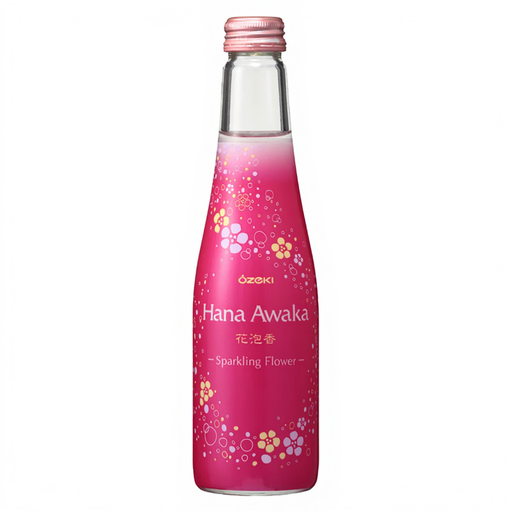
Why it's a great fit: Ideal for anyone trying sake for the first time. With its low alcohol content, light sweetness, and refreshing carbonation, it's very approachable and perfect as an aperitif or for festive occasions.
Offers a straightforward taste experience that doesn't require knowledge of complex quality grades, thus avoiding confusion from unclear labels.
Light and sparkling with only 5% alcohol content. A refreshing alternative to traditional wine or sparkling wine.
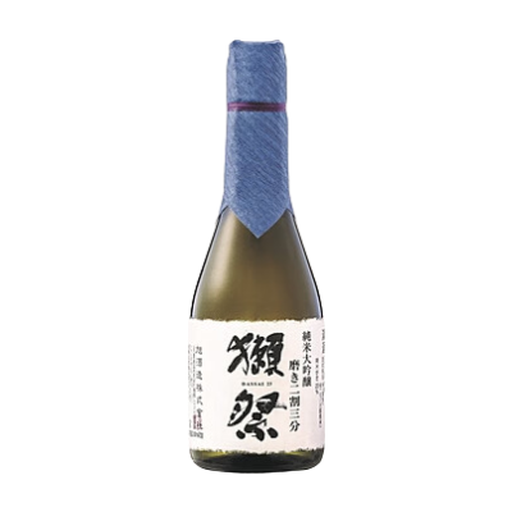
Why it's a great fit: For enthusiasts seeking the utmost sophistication and complexity. The 23% polishing ratio is a clear signal of an exceptionally pure and delicate taste experience, representing the pinnacle of the brewer's art.
Here, the "myth of the polishing ratio" becomes a reality. The extremely low value objectively delivers an exceptionally refined result, meeting the expectations for a premium Junmai Daiginjo.
Rice polished to 23% results in a silky texture with delicate, fruity aromas and an elegant, clean finish.
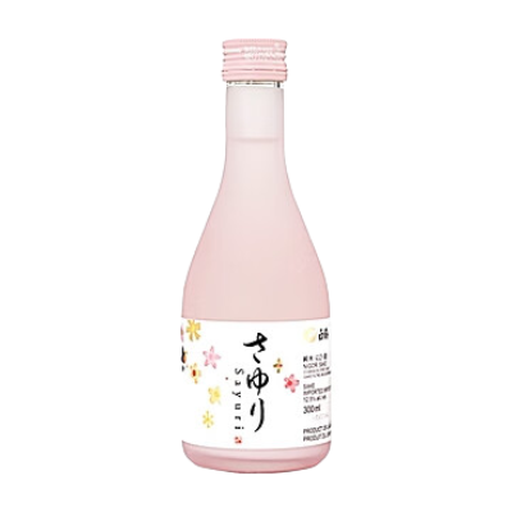
Why it's a great fit: For the curious who want to experience a different side of sake. Its creamy texture and subtle sweetness make it an intriguing pairing for spicy dishes or as a dessert sake.
Clears up the misunderstanding about cloudy sake. The creamy texture here is not a flaw but the defining characteristic of the Nigori Sake style.
A unique, creamy-soft texture from fine, undissolved rice particles. Subtly sweet in taste.
Besides sake, Japan offers a wide range of other spirits like Japanese whisky or fruity Umeshu plum wine, which are also worth discovering.
We have compiled a complete, up-to-date list of products that fully meet these strict selection criteria and UK regulations.
Most sakes should be stored in a cool, dark place to protect them from light and temperature fluctuations. Unlike wine, the bottles should be stored upright to minimise the sake's contact with the screw cap. Unpasteurised sake (Namazake) must be kept in the refrigerator.
Once opened, sake should be stored in the refrigerator and ideally consumed within one to two weeks. Although it doesn't "go bad" in the traditional sense, its delicate aromas and flavours will begin to change over time due to oxidation.
Sakes that don't overpower the delicate flavour of raw fish are the best match. Light, dry, and aromatic types like Junmai Ginjo or Junmai Daiginjo are an excellent choice. They cleanse the palate and harmonise with the fine texture and umami of the fish.
Written by: Joybuy Product Recommendation Officer, 28 July 2026