
Lieferung heute & morgen

Qualitätsgarantie

Willkommens-Angebote freischalten: KOSTENLOSE Lieferung | Bis zu 80 % RABATT | Kostenlose 30-Tage-JoyPlus-Testphase
App herunterladen
If you're looking to buy salt, you'll quickly find yourself faced with a bewildering choice: sea salt, table salt, iodised salt, herb salt, bath salt or dishwasher salt – they differ not only in brand and price. What really matters is the intended use, grain size, composition, pack size and compatibility with the appliance in question.
A common mistake is choosing a product purely because of eye-catching packaging or a word like 'natural'. Natural sea salt isn't automatically suitable for every application, and bath salt certainly doesn't belong in the kitchen. Regeneration salt and table salt also serve very different purposes.
Table salt, seasoned salt and iodised salt are intended for food. Bath salt, on the other hand, is for external use and may contain fragrances, essential oils or colourants. Dishwasher salt and salt for water softeners are technical products and are not suitable for consumption.
If you put ordinary table salt into your dishwasher, you risk deposits from possible insoluble ingredients. Conversely, regeneration salt is not a substitute for table salt.
Fine salt dissolves quickly in cooking water and can be dosed evenly. Coarse salt is better suited to a salt mill, for finishing dishes or for certain cooking methods. A coarse product isn't automatically suitable for every mill.
With salt shakers and mills, you should also check that the container stays dry and that the grinding mechanism is designed for the particular crystal size.
Iodised salt may be enriched with potassium iodate. Some products also contain fluoride or folic acid. Herb salt and seasoned salt may include herbs, spices, anti-caking agents or starch. Anyone with allergies should check the ingredients list particularly carefully. For bath water, fragrance allergens are also relevant.
Statements about nutrients do not replace individual advice. Additional supplements containing iodine, fluoride or folic acid should only be used according to the respective instructions and, if necessary, after medical advice.
Before you buy, a simple classification helps:
For technical products, the appliance's instruction manual is decisive. Claims such as 'suitable for all models' should be checked against your own manufacturer's information.
For food products, ingredients, net weight, allergens and storage instructions are important points of comparison. Pure salt may be listed as 'salt' or 'sea salt'. With enriched iodised salt or salt containing fluoride and folic acid, the additives should be clearly stated on the packaging.
For bath salt, the INCI list, fragrances and usage instructions are particularly important. Some products contain only Maris Sal, while others also include perfume, essential oils or colourants.
A large pack can be practical for regular use, but it needs a dry storage space. Herb salt loses its free-flowing quality more easily after opening due to moisture or frequent opening. Small sachets are better for trying out or for single uses.
For dishwasher and regeneration salt, the pack size should match your storage space and your appliance's consumption. Moisture can cause tablets to clump or make handling more difficult.
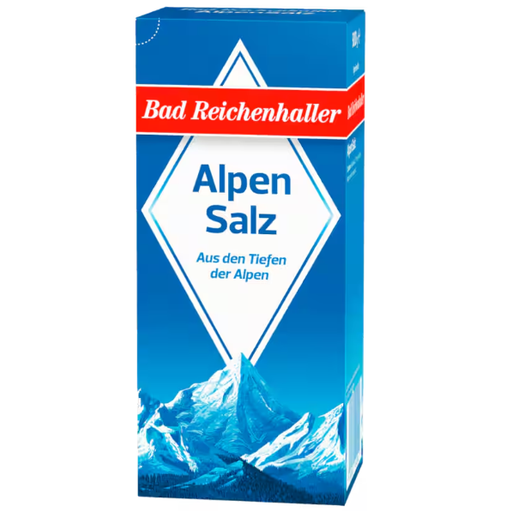
Why this product fits the profile: A classic 500g pack for everyday cooking and seasoning.
The ingredients list shows salt and an anti-caking agent; its use as table salt is clearly stated.
500g content, fine everyday salt variety and dry storage as a clear requirement.
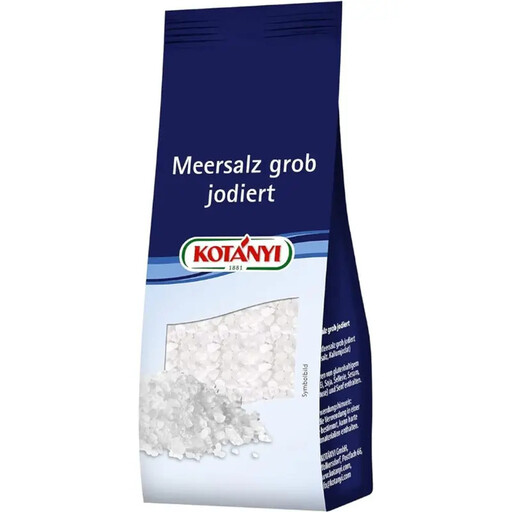
Why this product fits the profile: Coarse crystals for a salt mill, marinades, baking and finishing seasoning.
The product information states 100% sea salt with no additives or anti-caking agents. The coarse grain size is clearly indicated.
100g content, versatile use and dry, sealed storage after opening.
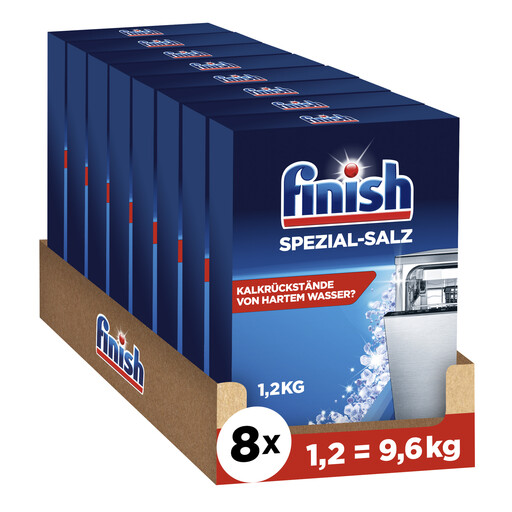
Why this product fits the profile: A bulk pack for households that regularly top up their dishwasher salt.
The product is explicitly intended for the dishwasher's salt compartment and not for cooking or consumption.
Eight packs of 1.2kg each; regular refilling according to the appliance instructions is still required.
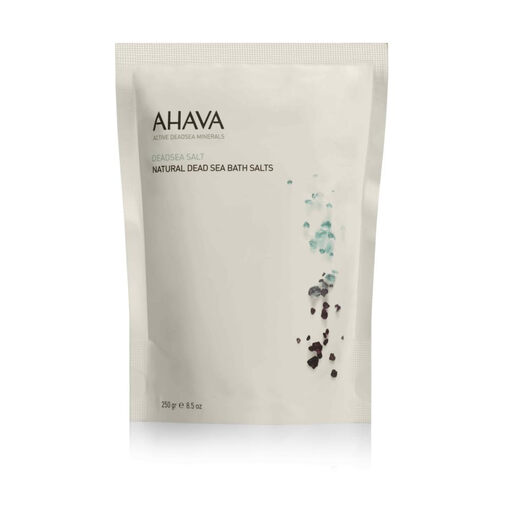
Why this product fits the profile: Dead Sea bath salt with 100% Maris Sal for external use in a warm bath.
The ingredients list states only Maris Sal; at the same time, use is limited to bath water and external application.
Fragrance-free ingredient declaration, 250g content and clear warnings regarding eye, skin and child contact.
We've put together a complete, regularly updated list of products that fully meet these strict selection criteria and the safety regulations in force in the EU.
For a salt mill, products such as the Kotányi Iodized Sea Salt Mill 92g with a ceramic grinding mechanism are suitable. The product comes pre-filled and, according to the description, is not refillable. If, on the other hand, you're looking for a bulk pack of spices, you could consider a seasoned salt such as Kotányi Roast Chicken Seasoned Salt 1248g. The blend contains, among other things, iodised salt, paprika, garlic, pepper and herbs.
With herb salt, allergens such as celery should be noted. According to the ingredients list, Bad Reichenhaller Alpine Herb Salt 90g contains 17.5% herbs and spices as well as celery. For additional iodine intake, clearly labelled products such as Aquasale Iodized Fine Sea Salt 500g are an option. The decision should match your personal diet and the ingredients list.
Special dishwasher salt should be used in the salt compartment. It supports the water softening process in the appliance. Ordinary table salt can contain ingredients that encourage deposits. Dosage and refilling should be carried out according to the instruction manual.
Dry, unopened salt is usually storable for a long time. However, the best-before date and packaging instructions remain decisive. After opening, salt should be stored airtight and dry. Herb salt can react more strongly to moisture and quality loss due to its herbs and aromas than pure salt.
That depends on the application. Fine salt is suitable for cooking water, shakers and even dosing. Coarse salt is ideal for salt mills, marinades or as a finishing seasoning. Before buying, you should check whether the grinding mechanism can handle the intended grain size.