
Lieferung heute & morgen

Qualitätsgarantie

Willkommens-Angebote freischalten: KOSTENLOSE Lieferung | Bis zu 80 % RABATT | Kostenlose 30-Tage-JoyPlus-Testphase
App herunterladen
Anyone looking to buy sauces, dips and spreads online will find a wide selection, from Asian sauces, chilli sauce and mayonnaise to salsa dip, salad dressing and sweet spreads. However, product names alone reveal little about whether a sauce suits your cooking style, the dish you have in mind or your personal dietary requirements.
Terms such as “Hot”, “Extra Hot” and “Spicy” are not regulated consistently. A sriracha sauce with a high chilli content may taste very different from a Korean sauce made with gochujang, garlic, soy sauce and sugar. If you are sensitive to spicy food, check the ingredients list and the specific product description rather than relying solely on the label.
An 800-g bottle of sweet chilli sauce may make sense for frequent users, while a smaller bottle can result in less food waste if you only use it occasionally. Usage after opening is also important: many products need to be refrigerated and used within a specific period.
Soya, wheat, egg, mustard, peanuts, sesame and milk are found in many sauces and spreads. Products that look similar can also differ significantly. For example, pure peanut butter may contain only peanuts, while a ready-made peanut sauce may also contain soya, wheat or sesame. Before buying, you should therefore check the allergen information, ingredients list and nutritional values.
The intended use is crucial when making your selection:
In Germany and the EU, allergens that must be declared have to be highlighted in the ingredients list. These include peanuts, cereals containing gluten, egg, milk, mustard, soya and sesame. When buying products from different countries of origin, shoppers should refer to the information on the packaging actually delivered.
Examples from the selection:
If you use sauces regularly, compare energy, sugar, fat and salt per 100 g or 100 ml. For example, mayonnaise can contain more than 700 kcal per 100 g, while a fruity salsa dip contains considerably less energy. A high salt or sugar content is not in itself a judgement of quality, but it should be taken into account when deciding what to buy.
The volume of the jar or bottle is also relevant. Small packs, such as a 200-ml salsa dip, are suitable for occasional evenings in with snacks. Larger containers, such as 500-ml mayonnaise or 800-g sweet chilli sauce, are more suitable for households that use them regularly.
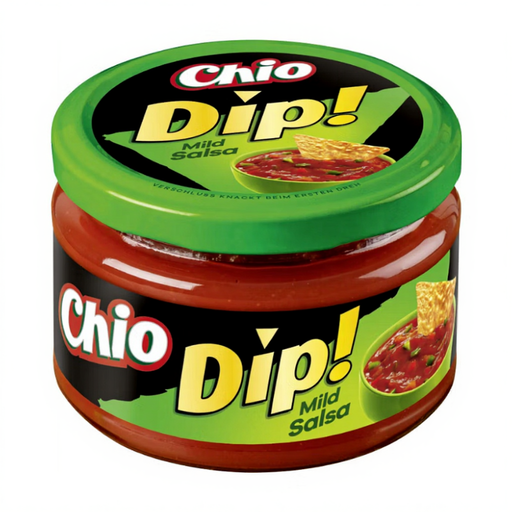
Why this product suits the profile: The small pack size is suitable for tortilla chips, vegetables or the occasional barbecue. Its mild flavour makes it an easy introduction to salsa dips.
The product information specifies a mild salsa and clearly states how it can be used. At 200 ml, there is less risk of having to store it for a long time after opening.
106 kcal per 100 g according to the product information; labelled as vegetarian and gluten-free.
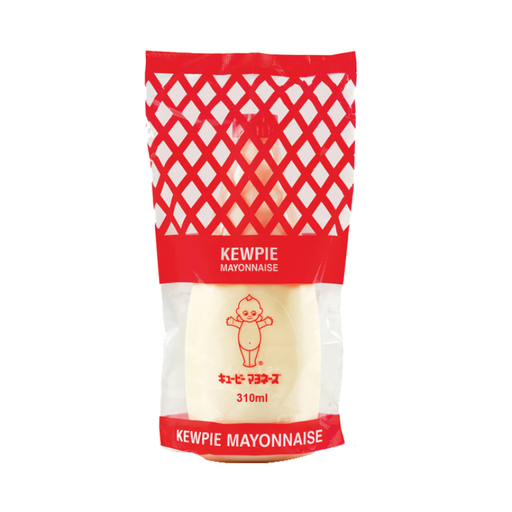
Why this product suits the profile: This mayonnaise is made with egg yolk rather than whole egg and is intended for sushi, takoyaki, sandwiches, potato salad and dips.
The ingredients and allergens are clearly listed. The 310-ml bottle is smaller than typical bulk sizes and should be refrigerated after opening.
Egg-yolk-based recipe; practical squeeze bottle with a fine nozzle according to the product description.
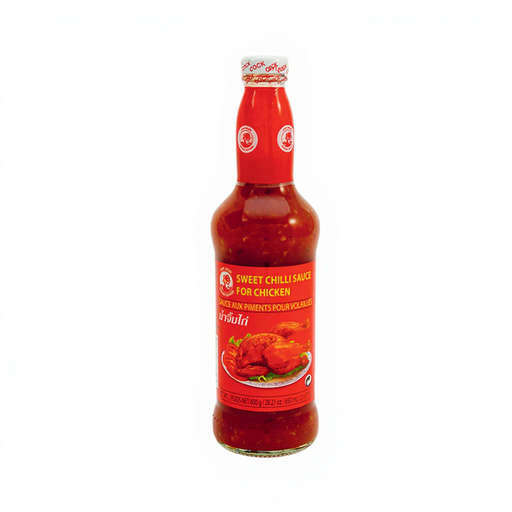
Why this product suits the profile: The large bottle is intended for households that regularly use sweet chilli sauce for marinating, dipping or glazing.
The 16% chilli content and suggested uses are clearly stated. This makes it easier to compare the sauce with a very hot chilli sauce.
800 g contents; according to the product information, no declared allergens and suitable for use for up to 30 days when refrigerated after opening.
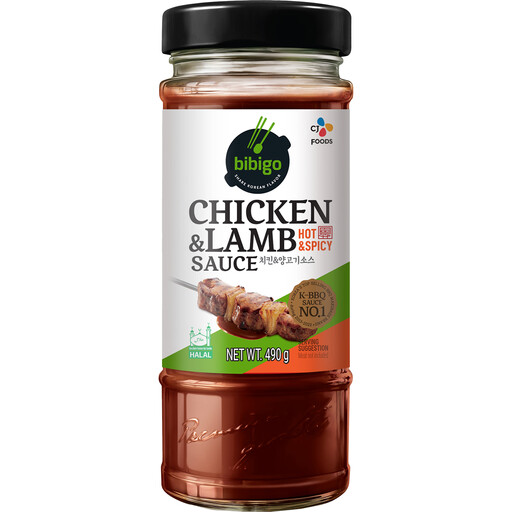
Why this product suits the profile: This sauce is intended as a marinade, wok base, glaze and dip, combining soy sauce, garlic, chilli and gochujang.
The product description specifies exact quantities for use: according to the information, one bottle is enough for around 2.2 kg of meat. Allergens such as wheat and soya are clearly stated.
490 g contents; 160–164 kcal and 6.8 g salt per 100 g according to the product information.
We have put together a complete, regularly updated list of products that fully meet these strict selection criteria and the safety regulations applicable in the EU.
Depending on the recipe, other products may also be suitable:
Mayonnaise or burger sauce are ideal for burgers and sandwiches. Spring rolls and poultry are often served with sweet chilli sauce or peanut sauce. Chilli sauce and sriracha sauce are suitable for adding extra seasoning to taste. For Korean dishes, sauces containing gochujang or fermented pastes such as Jinmi Black Bean Paste can be used.
This depends on the individual product. Many mayonnaises, dressings and opened sauces need to be stored in the fridge. The specific use-by period on the label takes precedence. For example, Chio Dip Mild Salsa Sauce is stated to be used within seven days of opening; other products may have longer periods.
Before buying, check the ingredients list, allergen labelling and any precautionary allergen statements. Soya, wheat, egg, mustard, peanuts, sesame, milk and other nuts are particularly relevant. If the online description differs from the packaging, the labelling on the product delivered is authoritative.