
Lieferung heute & morgen

Qualitätsgarantie

Willkommens-Angebote freischalten: KOSTENLOSE Lieferung | Bis zu 80 % RABATT | Kostenlose 30-Tage-JoyPlus-Testphase
App herunterladen
If you’re looking to buy Scotch whisky, you’ll find a wide range online, including single malt and blended Scotch whiskies in a variety of age statements. But the product name alone tells you little about whether a bottle will suit your taste, a cocktail evening or someone you’re buying a whisky gift for. What matters is clear information about its origin, cask ageing, alcohol content, bottle size and flavour profile.
An 18-year-old whisky won’t necessarily suit you better than a 12-year-old one. The age statement generally refers to the youngest whisky in the bottle. The flavour and style also depend on the cask type, distillery, production methods and, where relevant, the proportions in the blend.
So, rather than focusing on age alone, consider how it relates to the profile you’re looking for:
Speyside whisky is often associated with fruity or relatively mellow notes. Islay whisky is known for peat, smoke and maritime influences. These descriptions can help guide you, but they don’t guarantee a particular taste. Whiskies can vary considerably even within the same region.
If you’re looking for a mellow whisky, consider bottles described as fruity or floral. For a smoky whisky, look for notes such as peat, bonfire smoke or medicinal flavours rather than relying on the region name alone.
The standard 0.7 l whisky bottle holds 700 millilitres. Miniatures, on the other hand, are often listed as containing 0.05 litres per bottle. So always compare prices by the litre.
An alcohol content of 40 % vol. is common for many Scotch whiskies. Some are stronger, such as Ardbeg 10 Year Old at 46 % vol. Terms such as ‘non-chill-filtered’ or ‘no added colour’ may matter to whisky enthusiasts, but they’re no substitute for checking the ingredients, origin and specific product details.
A single malt Scotch whisky is made from malted barley at a single distillery. That doesn’t mean it comes from just one cask. A blended Scotch whisky, by contrast, combines different malt and grain whiskies. This can create a consistent, distinctive profile that works neat, over ice or in long drinks.
A blended Scotch whisky is often an easy choice for beginners. If you want to explore the influence of a particular distillery or region, try a single malt.
Casks influence a whisky’s colour and aroma. Bourbon casks can bring vanilla and woody notes, while sherry casks are often associated with dried fruit and spice. A finish in former Cognac casks can add another dimension to the profile. These terms describe how the whisky is matured, but they don’t guarantee a particular flavour.
Whisky can be enjoyed neat, with a few drops of water or over ice. For cocktails and long drinks, a clearly defined, robust profile can work particularly well. To enjoy alcohol responsibly, it may only be sold to and consumed by people aged 18 and over. Pregnant women should not drink alcohol. Drink in moderation and keep alcohol out of the reach of children.
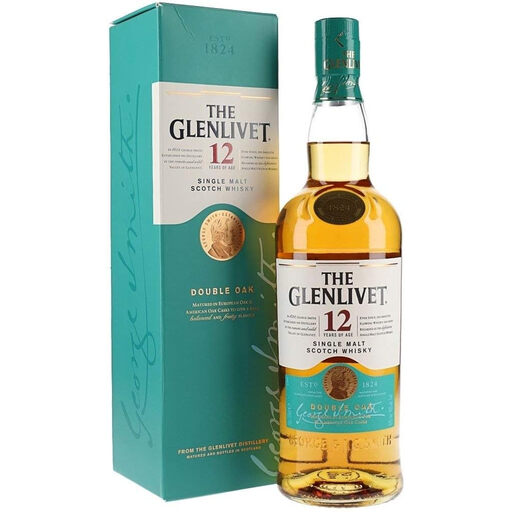
Why it suits this profile: With a fruity, mellow character and notes of peach, pear and pineapple, it’s a good choice for anyone looking for an approachable Speyside whisky to get started with.
The product details clearly state the bottle size, alcohol content and flavour profile, rather than relying solely on its age or brand promise.
Speyside single malt, 0.7 l bottle and 12 years of ageing, according to the product name.
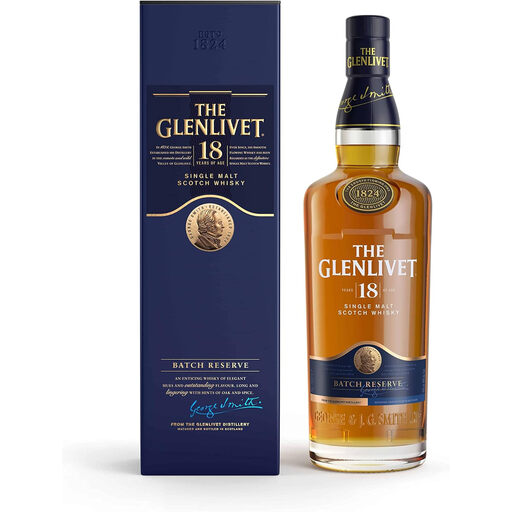
Why it suits this profile: The longer ageing and the described notes of wood, pear, vanilla and a hint of malt make this a good choice for buyers seeking a more complex single malt.
This choice is based on specific details about age, volume and flavour, rather than an unclear ‘premium’ label alone.
Single malt, 0.7 l bottle and 18 years of ageing, according to the product name; the profile is described as full-bodied and long-lasting.
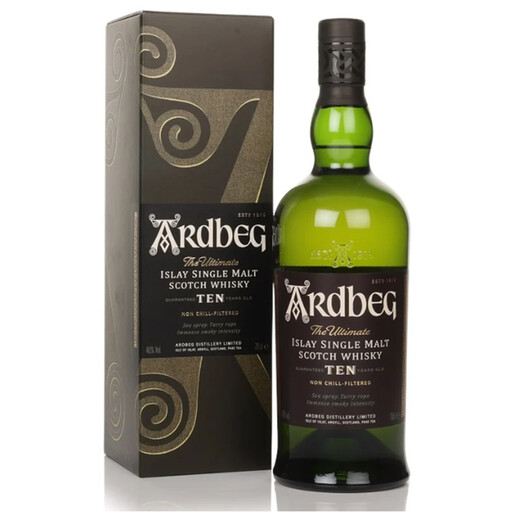
Why it suits this profile: Its distinctly smoky Islay character, with peat, citrus, toffee and espresso notes, makes it a good choice for experienced whisky drinkers or cocktails that call for a bold whisky.
The product description clearly highlights its full, smoky profile and 46 % vol. alcohol content, making it easier to gauge its intense style before you buy.
Islay single malt, 0.7 l bottle and 10 years of ageing; according to the product details, it has no added colour and is non-chill-filtered.
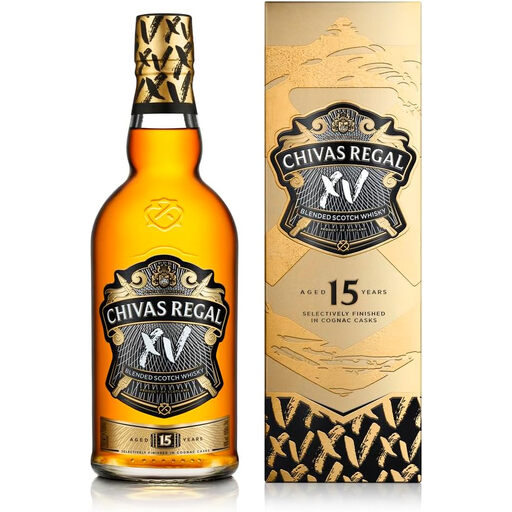
Why it suits this profile: A 15-year-old blended Scotch whisky finished in Cognac casks could make an appealing gift for someone who enjoys mellow, fruity and spicy profiles.
The age statement, bottle size and finish offer more to go on than choosing based on packaging or brand recognition alone.
Blended Scotch whisky, 0.7 l bottle and at least 15 years of ageing, with a finish in former Cognac casks, according to the product description.
Store an unopened bottle upright, somewhere cool and dry, and out of direct sunlight. Unlike wine, whisky shouldn’t be stored on its side, as the high alcohol content can affect the cork over time. Once opened, keep the bottle tightly sealed.
When stored properly, unopened whisky will generally keep for a very long time. Once opened, its flavour changes as it comes into contact with oxygen. This change can be more pronounced when there’s little left in the bottle, so it’s not possible to give a general shelf life.
Blended Scotch whiskies with a clear, balanced flavour profile often work well in cocktails and long drinks. A smoky Islay whisky can add a pronounced peat note, while a mellow whisky with fruity or vanilla notes will have a subtler effect. The best choice depends on the recipe, your personal taste and the alcohol content you’re after.