
Lieferung heute & morgen

Qualitätsgarantie

Willkommens-Angebote freischalten: KOSTENLOSE Lieferung | Bis zu 80 % RABATT | Kostenlose 30-Tage-JoyPlus-Testphase
App herunterladen
If you’re looking to buy Scotch whisky, you’ll find a wide choice of bottles, ageing periods and flavour profiles online. This is where common buying mistakes can happen: striking packaging tells you little about what’s inside, age statements are often treated as a guarantee of quality, and apparent bargains may not be so appealing once you consider the volume, alcohol content or delivery terms.
This guide explains the key things to look for and shows which Scotch whisky might suit different tastes and occasions.
An age statement such as 12, 15 or 18 years usually refers to the age of the youngest spirit in a Scotch whisky. It doesn’t guarantee a particular flavour profile, though. Cask type, region, distillation method and the make-up of the bottling all influence its character.
A 12-year-old single malt may taste fruity and mellow, while a whisky of the same age from Islay may be much smokier. So if you choose a bottle based on the age alone, you could miss important information.
Single malt Scotch whisky comes from one distillery and is made from malted barley. That doesn’t automatically mean it will taste stronger or be of higher quality. Blended Scotch whisky combines malt and grain whiskies from different distilleries, creating a balanced, consistent flavour profile.
A blend can be a good choice for cocktails, long drinks or larger gatherings. If you want to explore regional differences and cask notes, you could choose a single malt.
The standard 0,7 l whisky bottle is suitable for regular enjoyment or as a gift. Miniature bottles of 0,05 l are handy if you want to try several varieties or put together a small gift set.
Many Scotch whiskies are bottled at 40 % Vol. According to the product details, Ardbeg 10 Year Old is 46 % Vol. A higher alcohol content isn’t a guarantee of quality, but it may matter if you enjoy tasting whisky with a little water.
The region can give you a useful starting point, but it’s no substitute for a specific product description. Speyside bottlings are often associated with fruity, malty or softer notes. Islay whiskies can have a stronger smoky, peaty character. Highland and Lowland bottlings, meanwhile, cover a range of styles.
Also look out for terms such as ‘smoky’, ‘fruity’, ‘spicy’, ‘mellow’ or ‘full-bodied’. These descriptions are more useful than a generalisation based on the brand name alone.
For a single malt with an age statement, the ageing period should be clearly shown on the label or in the product details. The cask type adds further information. Bourbon, sherry or French oak casks can each contribute different aromas.
For example, Glenlivet 12 Year Old Double Oak is described as having fruity, floral notes, with hints of peach, pear, pineapple, nuts and ginger. Glenlivet 15 Year Old is said to feature spices, ripe mango, white pepper and cinnamon. Glenlivet 18 Year Old is characterised by notes of oak, pear, vanilla and dry ginger.
For sipping neat, aroma, alcohol content and personal preference are what matter most. An approachable blend can work well in cocktails or long drinks. If you’re buying a whisky gift, bottle design, age statement, packaging and the occasion are worth considering too.
Before buying, also check:
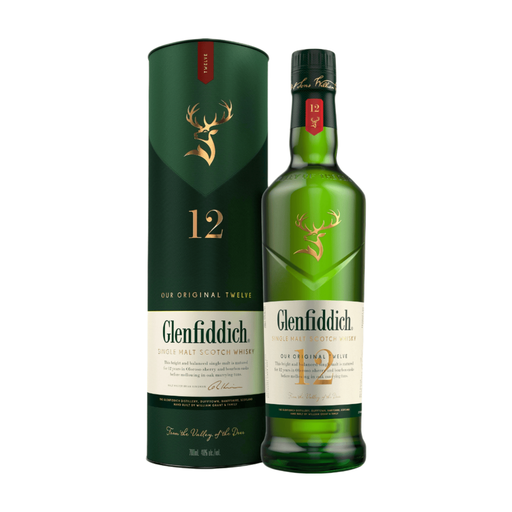
Why this product suits this profile: This 0.7-litre bottle, at 40 % Vol., offers a clear introduction to the fruity Speyside style. According to the product details, expect notes of pear, butterscotch and subtle oak.
The age statement, bottle size and alcohol content are all clearly listed, making it easier to compare with other single malt bottlings.
Aged for 12 years, with a 0,7 l volume and a profile described as mellow and fruity.
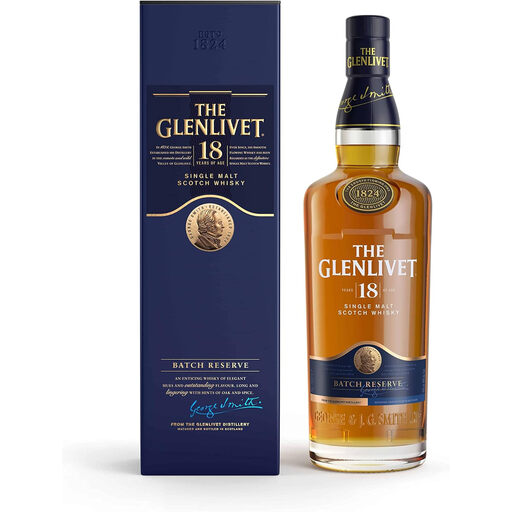
Why this product suits this profile: The 18-year age statement and the described profile of oak, ripe pear, vanilla and dry ginger will appeal to buyers who prefer more complex notes.
The ageing period is clearly stated, rather than being suggested only by a vague premium label.
Aged for 18 years, with a 0,7 l volume and a Speyside profile described as layered and complex.
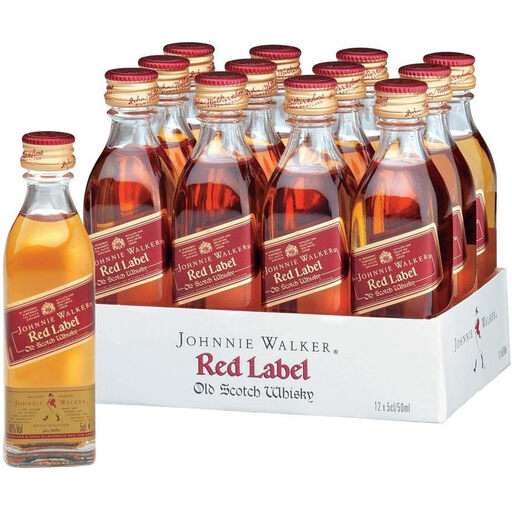
Why this product suits this profile: Twelve miniature bottles, each holding 0,05 l, are ideal for tastings, small gift sets, travel or cocktails. The product details state an alcohol content of 40 % Vol.
Individual servings avoid buying a large bottle when several people only want to try a small amount.
Twelve handy 50 ml bottles, a blend of Scotch whiskies and plenty of ways to enjoy it.
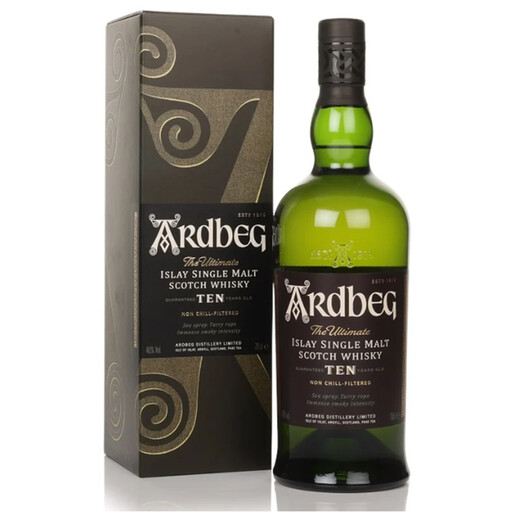
Why this product suits this profile: The product description lists smoke, peat, citrus notes, toffee and chocolate in this Islay single malt. Its alcohol content is 46 % Vol.
Its clearly stated smoky profile sets it apart from mellow or fruity bottlings, which could disappoint fans of peaty whisky.
Aged for 10 years, with a 0,7 l volume, 46 % Vol. and a distinctly smoky, spicy profile.
We’ve put together a complete, regularly updated list of products that meet these strict selection criteria and the safety regulations in force in the EU.
An unopened bottle of whisky should be stored upright, somewhere cool and dry, and away from direct sunlight. Unlike wine, whisky is not usually stored on its side, as the alcohol can damage the cork over time. Once opened, keep the bottle tightly sealed and limit its exposure to heat and light.
In Germany, alcoholic drinks must not be sold to anyone under 18. Whisky is not suitable for children, pregnant people or those who are breastfeeding. Please drink responsibly and follow the information on the product label.
Whisky can be stored for a long time if kept correctly. However, its flavour changes after opening as it comes into contact with oxygen. A tightly sealed bottle, stored upright in a cool, dark place, will preserve its character better.
No. Single malt and blended whisky are different categories. A single malt comes from one distillery and is made from malted barley. A blend combines different malt and grain whiskies. What matters is the taste, how you plan to use it and the specific product details.
For a gift, a clear age statement, a 0.7-litre bottle and attractive packaging can all be good choices. If you don’t know what the recipient likes, choose an approachable, fruity style or offer a miniature set with several flavour profiles.