
Lieferung heute & morgen

Qualitätsgarantie

Willkommens-Angebote freischalten: KOSTENLOSE Lieferung | Bis zu 80 % RABATT | Kostenlose 30-Tage-JoyPlus-Testphase
App herunterladen
If you’re looking to buy Scotch whisky, you’ll find a wide choice of single malt Scotch whisky, blended Scotch whisky, gift bottles and whisky glasses. The differences go beyond the brand name or bottle design. Alcohol content, maturation time, cask ageing and flavour profile all play a significant part in whether a bottle is right for the occasion.
An age statement such as 12-year-old whisky, 15-year-old whisky or 18-year-old whisky tells you the age of the youngest whisky in the bottle. On its own, it doesn’t tell you whether the whisky tastes mild, spicy or smoky. One 12-year-old single malt may be fruity and smooth, while another has much more pronounced peat and smoke notes.
An older whisky isn’t automatically the right choice for beginners, either. If you prefer light, fruity flavours, you may find an approachable 12-year-old Scotch easier to enjoy than a more robust, well-matured bottling.
Single malt Scotch whisky is made from malted barley at a single distillery. Blended Scotch whisky, by contrast, combines different malt and grain whiskies. This isn’t a straightforward measure of quality; it’s primarily a distinction in how the whisky is made and its style.
Blends such as Johnnie Walker Red Label and Chivas Regal are often used in long drinks and cocktails. Single malts such as Glenlivet whisky, Glenfiddich 12 and Ardbeg 10 are often better suited to sipping neat, provided their flavour profiles match your preferences.
Terms such as ‘premium’, ‘smooth’ or ‘luxury’ tell you relatively little without further information. So check the bottle size, alcohol content, age statement, cask type and smokiness. For example, a 0.7 l bottle of whisky at 40% Vol. offers a different balance of price and quantity from a smaller tasting bottle or a bottling at 46% Vol.
For beginners, a mild whisky with fruity, vanilla or malty notes is often easier to get to grips with. Speyside bottlings such as Glenlivet and Glenfiddich are often described as having notes of pear, apple, honey, vanilla or nuts. However, your experience of the flavours can also depend on the shape of the glass, temperature and dilution.
A smoky whisky from Islay may have pronounced peat, bonfire, spice or maritime notes. According to the product details, Ardbeg 10 is an Islay single malt at 46% Vol., aged for ten years and full-bodied with a smoky profile. Bottles like this are better suited to people who are specifically looking for bold flavours.
An age statement is a useful point of comparison, but it isn’t the only measure of quality. The Glenlivet range, for example, includes 12-, 15- and 18-year-old versions. The 15-year-old Glenlivet is described as having spicy and fruity notes, with additional ageing in French Limousin oak. The 18-year-old Glenlivet is said to have notes of wood, pear and vanilla, alongside a hint of smoke.
Also check whether the whisky was aged in bourbon, sherry, cognac or other oak casks. This can give you an idea of whether to expect notes of vanilla, dried fruit, spice or caramel.
The standard bottle size is 0.7 l. At 40% Vol., a bottle of this size contains around 28 alcohol units, based on one unit being 10 ml of pure alcohol. Ardbeg 10 is listed at 46% Vol., making it a stronger option.
A blended Scotch can be a good choice for cocktails, long drinks or larger gatherings. For a tasting at home, several smaller bottles or a set of whisky glasses can be a practical alternative. Alcohol is for adults of legal drinking age only and should be consumed responsibly. Avoid alcohol during pregnancy and while breastfeeding.
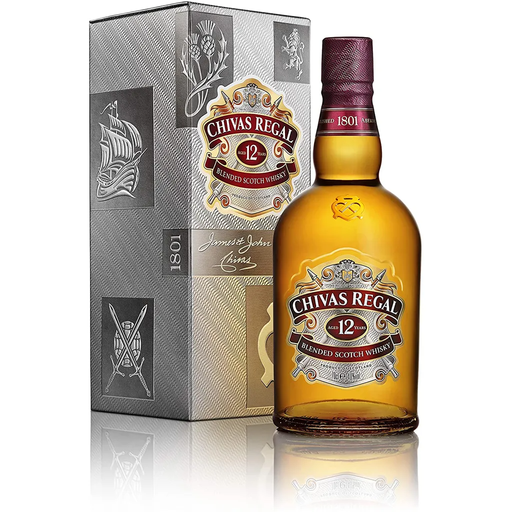
Why this product suits this profile: This blend is aged for 12 years and bottled at 40% Vol., giving beginners clear details to guide their choice. Enjoy it neat, over ice or in a cocktail.
The age statement, bottle size and alcohol content are clearly listed, replacing vague marketing claims with useful details for comparison.
Blended Scotch whisky, 0.7 l, 40% Vol. and plenty of ways to serve it.
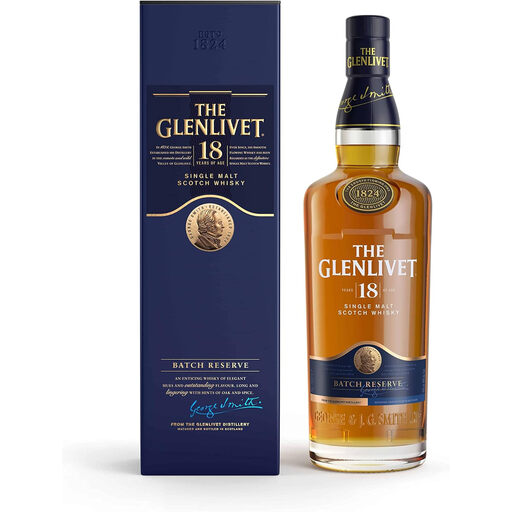
Why this product suits this profile: Its 18-year age statement and flavour profile of wood, pear, vanilla and a hint of smoke make it a good choice for a planned tasting or as a whisky gift.
The choice is based on documented ageing time and tasting notes, rather than relying solely on an impressive-looking bottle.
Single malt Scotch whisky, 0.7 l, 40% Vol. and a clearly stated long ageing period.
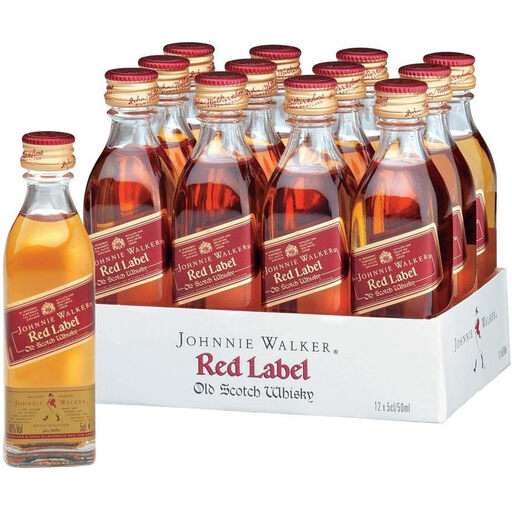
Why this product suits this profile: Twelve handy 50 ml bottles are ideal for tasting sessions, minibars, travelling or cocktail evenings with friends.
The individual portions mean you don’t have to open a large bottle just to make a few cocktails or serve a small group.
12 × 0.05 l, 40% Vol., shatter-resistant PET bottles and suitable for drinking neat, over ice or in a cocktail.
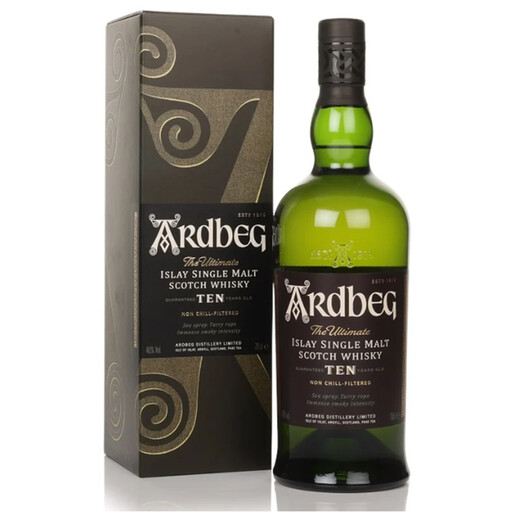
Why this product suits this profile: Details of its Islay origin, ten years of ageing, 46% Vol. strength and smoky flavour profile make it easier to choose if you love peat and smoke.
Its clearly stated smoky profile helps you avoid accidentally buying a robust Islay bottling when you’re looking for a mild whisky.
Islay single malt, 0.7 l, 46% Vol., aged for ten years and, according to the product details, non-chill-filtered.
We’ve put together a complete, regularly updated list of products that meet these strict selection criteria and comply fully with the safety regulations in force in the EU.
A mild whisky with fruity, vanilla or lightly malty notes is often more approachable than a heavily peated bottling. Glenlivet 12 and Glenfiddich 12 are described as fruity and mild respectively. If you mainly want to mix your whisky, you could also choose a blended Scotch whisky such as Chivas Regal or Johnnie Walker Red Label.
Whisky keeps for a long time thanks to its alcohol content. Store the bottle upright, tightly sealed, in a cool, dry place. Keep it out of direct sunlight and away from significant temperature changes. Once opened, contact with oxygen can gradually alter the flavour. A smaller bottle or individual portions may be a sensible choice if you only drink whisky occasionally.
A sturdy tumbler or a nosing glass with a slightly tapered opening is all you need to get started. Tumblers are suitable for ice and cocktails, while nosing glasses can help concentrate the aromas. A set of four whisky glasses is handy for tasting with others or entertaining guests.