
Lieferung heute & morgen

Qualitätsgarantie

Willkommens-Angebote freischalten: KOSTENLOSE Lieferung | Bis zu 80 % RABATT | Kostenlose 30-Tage-JoyPlus-Testphase
App herunterladen
Whether for preparing authentic sushi, as a savoury topping for ramen, or as a crispy snack on the go, seaweed is a staple of Asian cuisine and is steadily gaining popularity worldwide. However, the growing selection can be overwhelming. Those looking to buy seaweed are faced with a choice of different varieties, processing forms, and flavours.
This article serves as a guide. We will introduce various seaweed products and provide you with objective information to help you make an informed purchasing decision that suits your needs—whether for your next homemade sushi night or the search for a nutritious seaweed snack.
To find the right product, a few key distinctions are helpful. The following points summarise what you should consider when making your selection.
The most important factor is its intended use. If you're looking for sheets to roll maki sushi, you'll need large, unsalted nori sheets. These are often labelled as sushi seaweed or Yaki Nori (Japanese for "grilled nori"). They are specially processed to be flexible enough for rolling while maintaining a firm bite.
In contrast, there are ready-to-eat seaweed snacks. These are smaller, pre-roasted and seasoned pieces of seaweed. These roasted seaweed pieces are intended as a standalone snack and are less suitable for rolling sushi due to their seasoning and size.
A look at the ingredients list reveals the product's composition. Many Asian snacks are traditionally seasoned with salt, oil, and sometimes flavour enhancers like monosodium glutamate (MSG). Those who prefer a natural or calorie-conscious option should look for products without added sugar and with a moderate salt content. The nutrition facts panel provides precise details on calories, fat, protein, and fibre.
The quality of nori sheets is evident in their texture and colour. High-quality sheets have a uniform, dark green colour and a smooth surface. They should be crispy when eaten and not seem tough. Some manufacturers use quality grades like "Gold" or "Silver" to indicate the quality of their products. For seaweed snacks, crispiness is the key characteristic. Good packaging that protects from light and moisture is essential for maintaining freshness.
Based on the criteria mentioned, we have compiled a selection of different seaweed products suitable for various uses.
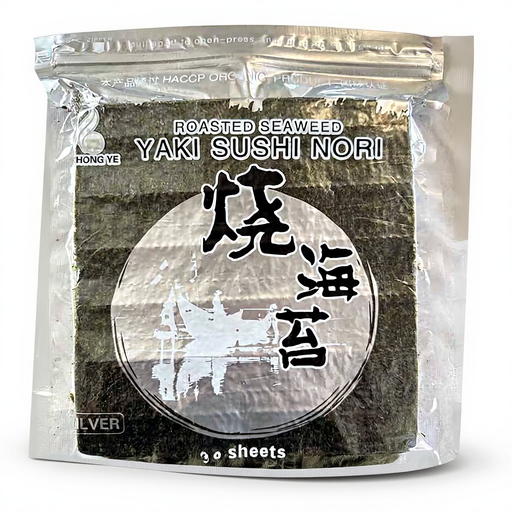
Why it stands out: This product is notable for its pure composition and large pack size. It contains only dried seaweed, making it a versatile base for numerous culinary applications.
Advantages:
Who it's for: Home cooks who frequently prepare sushi, onigiri, or other dishes with nori sheets and are looking for a pure, unadulterated product in a value-sized pack.
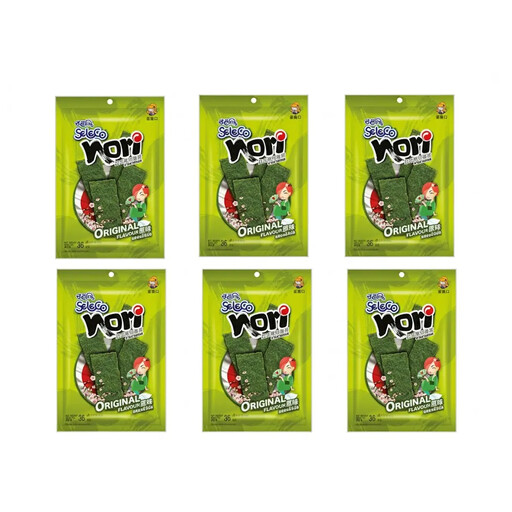
Why it stands out: The Seleco seaweed snack is offered as a crispy alternative without added monosodium glutamate (MSG). The multipack makes it convenient for on-the-go snacking.
Advantages:
Who it's for: Individuals and families looking for a savoury, crispy seaweed snack who want to avoid added MSG. Ideal as an alternative to chips or other salty snacks.
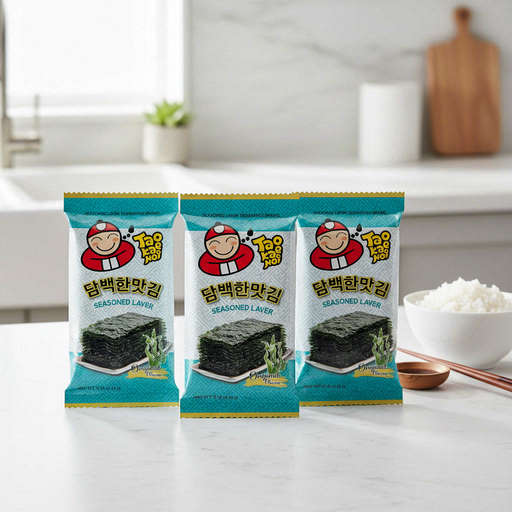
Why it stands out: Tao Kae Noi is a well-known brand from Thailand, whose products are prized for their intense and authentic flavour. This version offers the classic, savoury aroma.
Advantages:
Who it's for: Fans of boldly seasoned Asian snacks who appreciate the typical flavour of Korean-inspired seaweed products and are looking for a versatile snack.
Haven't found the right product yet, or want to browse further? You'll find a wide variety of items for your kitchen and home in our assortment.
Discover our selection of flatweave natural fibre rugs.
"Nori" is the general Japanese term for edible seaweed from the Porphyra genus. "Yaki Nori" specifically refers to roasted seaweed. Most nori sheets sold for sushi are already roasted, as this intensifies their flavour and makes them crispier. Unroasted nori is less common and often needs to be toasted before use.
Seaweed is naturally rich in nutrients like iodine, vitamins, proteins, and fibre. Whether a processed seaweed snack can be considered healthy largely depends on its preparation. Products with high salt, sugar, or fat content should be enjoyed in moderation. A look at the nutrition facts panel helps with this assessment. Many varieties can be a nutritious alternative to conventional snacks.
Sushi seaweed is very sensitive to moisture. After opening the package, they should be stored in an airtight container in a cool, dry, and dark place. Many packages include a small desiccant packet (silica gel) that helps keep the sheets crispy. This should be left in the container but not consumed.