
Lieferung heute & morgen

Qualitätsgarantie

Willkommens-Angebote freischalten: KOSTENLOSE Lieferung | Bis zu 80 % RABATT | Kostenlose 30-Tage-JoyPlus-Testphase
App herunterladen
Seaweed is increasingly becoming a staple in kitchens worldwide. Whether for authentic sushi, a warming miso soup, or as a crispy snack, the variety is vast. However, anyone looking to buy seaweed often faces a daunting selection. Different types, processing methods, and unclear product descriptions can quickly lead to a purchase you'll regret. This guide will help you avoid the common pitfalls and find the perfect product for your needs.
To make the right decision, you should check two or three key factors. These will help you find the product that perfectly suits your needs.
The three most common types of seaweed in Asian cuisine have very different properties and applications.
The state in which the seaweed is sold determines its use.
Instead of making a one-size-fits-all recommendation, we have selected products for specific user profiles and their requirements.
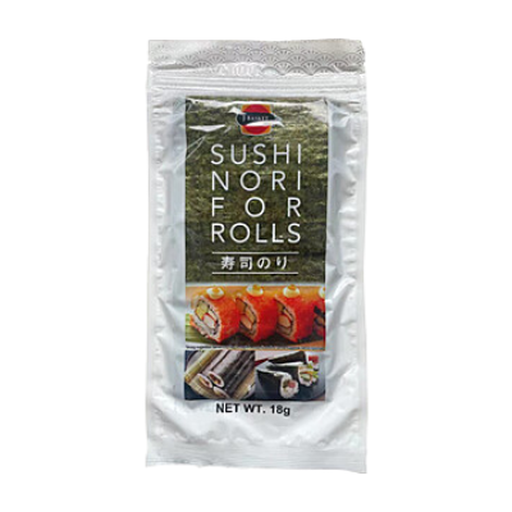
Why This Fits Their Persona: Ideal for those making hand-rolled sushi (temaki) for the first time. The pre-cut format makes rolling easier and prevents waste. The sheets are already roasted and ready to use immediately.
The clear "for Rolls" product name and half-cut format prevent you from buying the wrong type or size. It's a pure, unsalted product, giving you full control over the flavour.
Convenient Format: The pre-cut sheets are perfect for temaki. Crispy Texture: Roasted for an authentic aroma and a satisfying crunch.
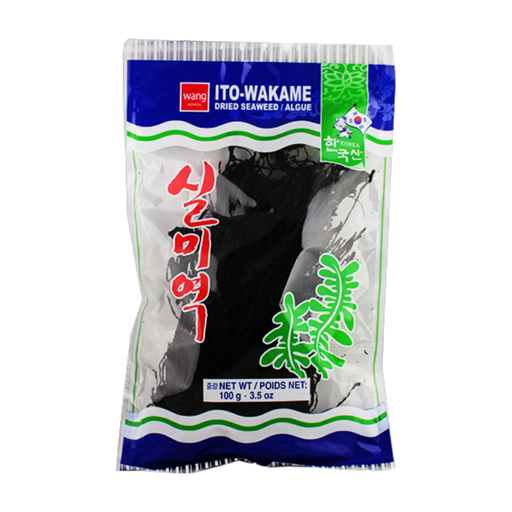
Why This Fits Their Persona: Perfect for fans of authentic Korean (Miyeok-guk) and Japanese (Miso) soups. This product is pure, dried wakame (Miyuk) that develops a tender texture and deep umami flavour after soaking.
This is a pure cooking ingredient, not a seasoned snack. This ensures the authentic taste of the soup isn't compromised by unwanted flavours or oils. The need for soaking is part of the authentic cooking process.
Authentic Flavour: Ideal for traditional soups and salads. High-Yield: The dried seaweed expands significantly, and one package lasts for many servings.
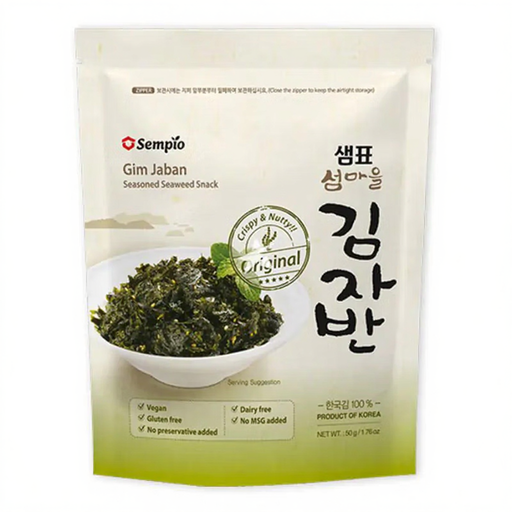
Why This Fits Their Persona: For anyone looking for a straightforward, savoury, and crispy snack. This product is ready-to-eat and delivers the classic taste of a Korean seaweed snack.
The product is clearly labelled as a seasoned snack. The ingredients list transparently discloses the oils (corn, sesame, olive) and seasonings used, so the buyer knows exactly what they are getting.
Ready-to-Eat: No preparation needed. Balanced Seasoning: A blend of different oils and roasted sesame creates a well-rounded flavour profile.
We have compiled a complete, up-to-date list of products that fully meet these strict selection criteria and all relevant regulations.
Dried seaweed should be stored in a cool, dry, and dark place. After opening, it's important to seal the package airtight again or transfer the contents to an airtight container. This preserves its crispness (especially for nori) and protects it from moisture, which would make the seaweed tough.
No, it depends on the type and how it's processed. Roasted nori sheets for sushi are ready to use immediately. However, dried wakame and kombu generally need to be soaked in water for 5 to 20 minutes to rehydrate and develop their texture. A look at the preparation instructions on the package will provide clarity.
High-quality sushi seaweed has a deep green to nearly black, uniform colour and a slight sheen. The sheets should feel firm and crispy, breaking easily when bent. Ensure the sheets have a consistent thickness without holes or tears, as this makes rolling sushi easier.