
Lieferung heute & morgen

Qualitätsgarantie

Willkommens-Angebote freischalten: KOSTENLOSE Lieferung | Bis zu 80 % RABATT | Kostenlose 30-Tage-JoyPlus-Testphase
App herunterladen
If you're looking to buy seaweed and kelp, you'll find a huge selection online: dried seaweed, wakame, kombu kelp, roasted seaweed sheets, seasoned seaweed and ready-to-eat kelp strips. However, these products differ significantly in terms of preparation, salt content, pack size and intended use. A low price or eye-catching packaging design therefore tells you very little about whether a product is right for your kitchen.
Dried seaweed often needs to be soaked or cooked. Wakame, for example, softens and expands in water. Kelp or kombu products also need to be prepared and sometimes cooked, depending on the product description. If you want a product to eat straight away as a snack, make sure you look for terms like "ready to eat" or "verzehrfertig".
Seaweed is light, so a large bag doesn't automatically mean a lot of content. Always check the net weight and compare it with how you plan to use it. A 20 g pack of roasted seaweed sheets is ideal for individual sushi meals, whereas 150 g or 500 g packs are better suited to regular cooking or larger households.
Seasoned seaweed can contain oil, soy sauce, sugar, sesame or other ingredients depending on the recipe. Products with brine or strong seasoning may have a much higher salt content than plain seaweed. Checking the ingredients list, allergens and nutritional information will help you avoid a bad buy. If you have a sesame, soya or gluten intolerance, the allergen labelling is especially important.
For plain products, the ingredients list can be very short – for example, "seaweed" or "wakame, salt". Seasoned varieties, on the other hand, may contain rapeseed oil, sesame oil, soy sauce, sugar, chilli or flavourings. According to the product information, the Kimnori product consists of 75 % seaweed, rapeseed oil, sesame oil, roasted sesame seeds and sea salt, and contains sesame.
With Strong Happy Time Seaweed, soya beans and wheat are listed among the ingredients of the soy sauce. Kelp strips with soy sauce can also contain soya, wheat and gluten. You should therefore check the labelling before buying and again before eating.
Nutritional information is usually given per 100 g, even though a portion may be much smaller. For dried products, the values are based on the dry weight. Products that are high in salt or sodium should be portioned according to your own dietary needs. Statements about minerals or iodine are not a substitute for individual dietary advice and do not constitute a therapeutic recommendation.
Storage is also crucial for quality: dried seaweed should be kept in a cool, dry place, away from moisture and direct sunlight. Once opened, the packaging should be sealed tightly. Roasted seaweed sheets quickly lose their crispy texture when exposed to humidity. Opened, moist or ready-to-eat kelp products may need to be refrigerated and used up quickly, depending on the packaging.
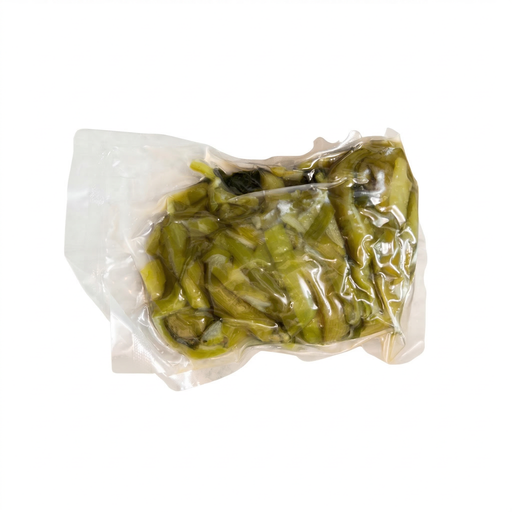
Why this product fits the profile: The 500 g pack is aimed at buyers who want to use seaweed regularly for salads, soups, rice balls or side dishes. The ingredients list states seaweed and salt.
The net weight is clearly stated. This makes it easier to compare the bulk pack with smaller snack portions.
500 g content; according to the product information, it is ready to eat and suitable for several dishes.
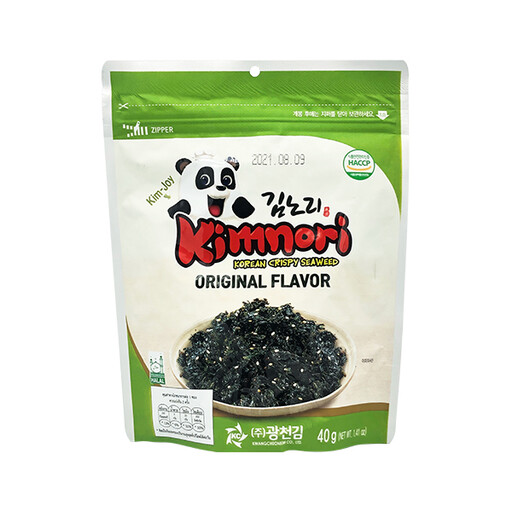
Why this product fits the profile: Finely crushed, roasted seaweed with sesame and sesame oil is ideal as a targeted topping for rice, noodles, soups and salads.
The ingredients and the sesame allergen warning are clearly stated; the product cannot be mistaken for a plain seaweed variety.
40 g pack size; according to the product information, made in South Korea and containing 75 % seaweed.
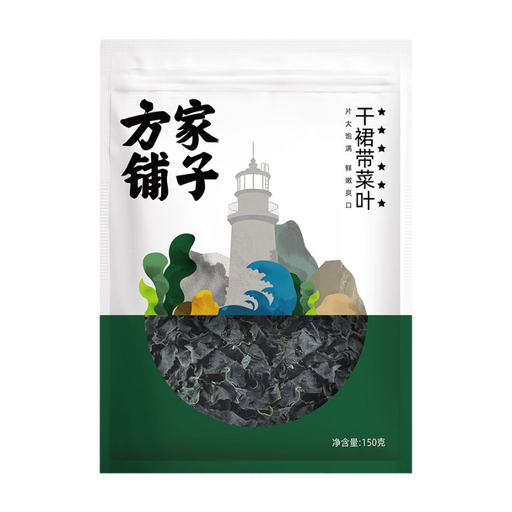
Why this product fits the profile: The dried wakame flakes are intended for miso soup, salads and side dishes, and according to the instructions, they are soaked for around five minutes.
The necessary preparation is stated. Buyers can clearly distinguish this product from a ready-to-eat seaweed snack.
150 g content; ingredients: wakame and table salt; preparation in approximately five minutes.
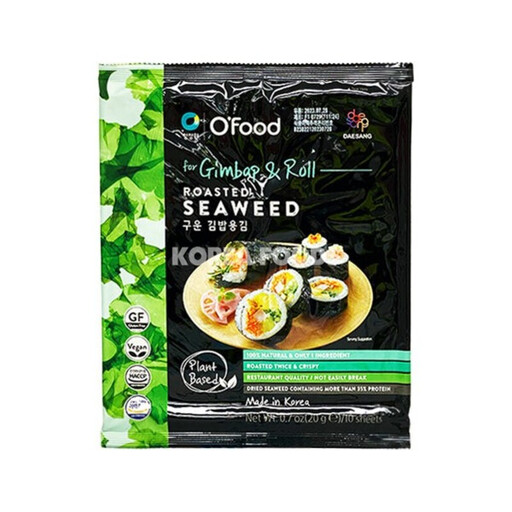
Why this product fits the profile: Roasted seaweed sheets are intended for sushi rolls and, according to the product description, can also be eaten directly as a crispy snack.
The specific intended use "sushi" and the net weight of 20 g are immediately clear, so you don't end up choosing an unsuitable bulk pack.
100 % dried seaweed according to the product information; described as suitable for sushi and for direct consumption.
We've put together a full, regularly updated list of products that fully meet these strict selection criteria and the safety regulations in force in the EU.
A common method is to soak the required amount in water for around five to ten minutes. After that, the seaweed is drained and, depending on the product, rinsed. The exact instructions on the packaging are crucial, as the size, cut and salt content can vary.
The best-before date is printed on each pack. Unopened dried seaweed should be stored in a dry, cool place away from light. Once opened, an airtight container is a good idea. If exposed to moisture, the flavour and crispness may deteriorate, even if the date hasn't been reached yet.
For eating straight away, roasted seaweed sheets, seasoned seaweed and ready-to-eat kelp strips are the best options. Products with soy sauce, sesame or chilli should be checked for allergens and salt content before buying. If you prefer a more neutral flavour, you can opt for plain seaweed and add it to rice, soup or salad yourself.