
Lieferung heute & morgen

Qualitätsgarantie

Willkommens-Angebote freischalten: KOSTENLOSE Lieferung | Bis zu 80 % RABATT | Kostenlose 30-Tage-JoyPlus-Testphase
App herunterladen
Seaweed is increasingly establishing itself as a staple ingredient in kitchens worldwide. Whether for authentic Asian dishes or as a nutrient-rich snack, the variety is vast. However, anyone looking to buy seaweed for the first time often faces an overwhelming selection. This frequently leads to purchasing products that are unsuitable for the intended purpose. This guide will help you navigate the most common pitfalls and make the right choice for your needs.
As your Joybuy Product Recommendation Officer, I have analysed the most common problems that arise when purchasing seaweed products.
To avoid these purchasing mistakes, it's crucial to understand a few basic parameters before making a decision.
Choosing the right seaweed depends entirely on its intended use. Three main criteria will help guide you: the type of seaweed, its processed format, and the ingredient list.
Not every seaweed is suitable for every dish. The three most well-known varieties have very different properties.
Besides the type, the format is crucial for its application.
The ingredient list is particularly insightful for seasoned products and snacks. Pay attention to the type of oil used (e.g., sesame oil, corn oil, olive oil), as well as the sugar and salt content. This ensures the product meets your taste and dietary preferences.
To make your choice easier, we have curated products for specific user profiles.
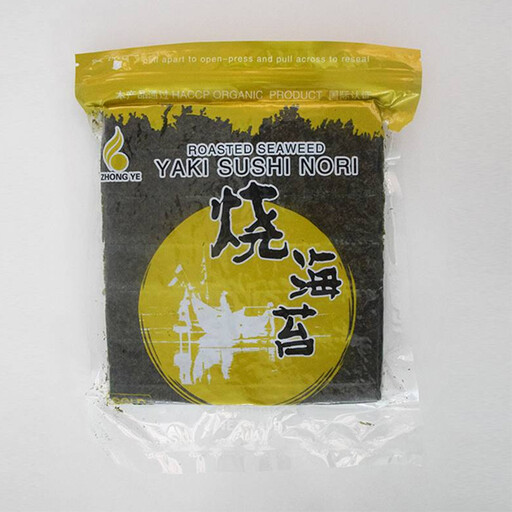
Why This Fits Their Persona: Ideal for making your first sushi rolls. The "Gold Grade" sheets offer good stability and tear resistance, which makes rolling significantly easier for beginners.
Avoids the "brittle sheet" trap. This variety is specifically designed for rolling sushi and provides the necessary flexibility without tearing immediately.
Objective Advantage: Quality specifically selected for sushi. The 10-sheet pack is perfect for getting started without having large quantities left over.
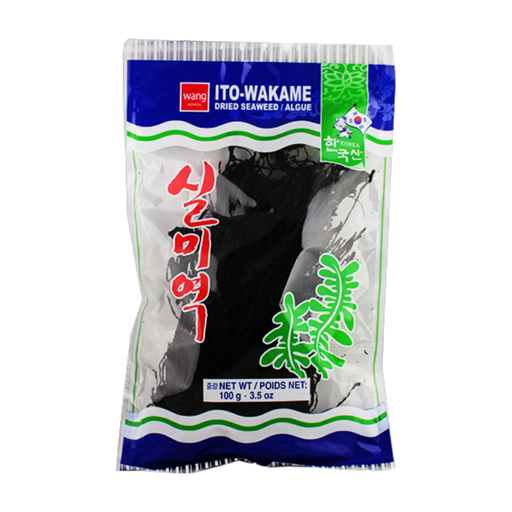
Why This Fits Their Persona: Perfect for anyone who wants to recreate the authentic taste of Korean and Japanese soups like Miyeok-guk or miso soup at home. This Wakame seaweed expands into tender leaves.
Prevents buying the wrong type of seaweed for soups. Unlike nori or kombu, Ito-Wakame provides the characteristic silky texture desired in soup ingredients.
Objective Advantage: High yield. A small amount of the dried seaweed is sufficient, as it expands significantly in water. The ingredient is specialised for use in soups and salads.
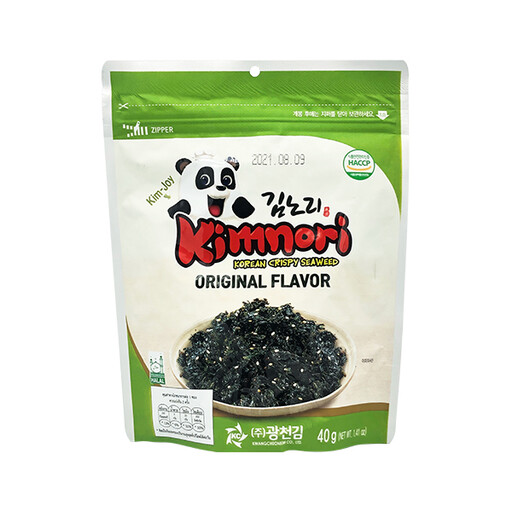
Why This Fits Their Persona: Ideal for creative cooks who want to quickly add an extra layer of flavour and texture to dishes. These seaweed flakes (known as Jaban in Korea) are extremely versatile.
Solves the problem of limited application. Instead of being suitable for only one purpose, these flakes can be sprinkled over rice, noodles, or salads, making them a flexible pantry staple.
Objective Advantage: Ready-to-use seasoning and texture. The roasted and seasoned flakes save preparation time and instantly add a nutty, savoury flavour to dishes.
We've compiled a complete, up-to-date list of products that meet these strict selection criteria.
Proper storage is crucial to maintain quality and especially crispness. Always store dried seaweed in an airtight container in a cool, dry place away from direct sunlight. Opened packages of seaweed snacks should be consumed quickly. Placing a silica gel packet in the container can help absorb moisture.
That depends on the variety and its processed format. Nori sheets for sushi and ready-to-eat snacks require no preparation. Wakame seaweed and Kombu seaweed, on the other hand, should be briefly rinsed under cold water and then soaked before use. This rehydrates them and removes excess salt. Always follow the specific instructions on the product packaging.
High-quality sushi seaweed has several distinguishing features. Look for a uniform, deep green to almost black colour with no light spots. When you hold a sheet up to the light, the structure should be dense and even, without holes. A fresh, subtle scent of the sea is also a positive sign. The sheets should be flexible enough for rolling but have a certain crispness when eaten.