
Lieferung heute & morgen

Qualitätsgarantie

Willkommens-Angebote freischalten: KOSTENLOSE Lieferung | Bis zu 80 % RABATT | Kostenlose 30-Tage-JoyPlus-Testphase
App herunterladen
Seaweed is a staple in many Asian cuisines and is steadily gaining popularity worldwide, whether as crispy seaweed snacks or as an ingredient in authentic dishes. However, anyone looking to buy seaweed for the first time often faces a bewildering array of options. Making the wrong choice can not only ruin the flavour of a dish but also lead to unnecessary expense. This guide will help you navigate the common pitfalls and find the right products for your culinary goals.
A frequent problem is buying the wrong type of seaweed. For instance, if you want to make sushi but accidentally grab kombu, you'll be disappointed with the result. Another issue is inconsistent quality. Inferior products can be sandy or develop an unpleasant texture after soaking. Finally, packaging information can be misleading, especially when a high salt or oil content in a supposedly healthy snack isn't apparent at first glance.
To avoid disappointment, it helps to check three core factors. These will give you clear guidance, whether you're browsing an online Asian grocer or specifically searching for Korean foods.
Not all seaweed is suitable for every dish. The three most well-known types have very different properties and uses.
The way the seaweed is processed determines how you can use it.
To make your decision easier, we have selected a few products based on typical user profiles.
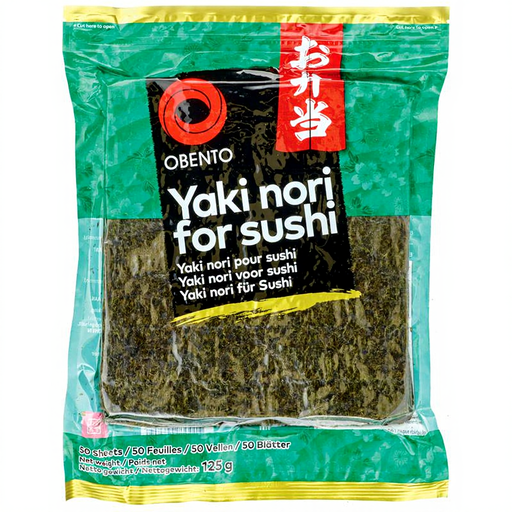
Why This Fits Their Persona: Ideal for anyone starting to make sushi at home. The 50 sheets provide enough material for several attempts, so you don't have to worry about making mistakes with your first few rolls.
The Yaki Nori designation makes it clear that these are roasted, ready-to-use sheets for sushi. This avoids the common mistake of buying unroasted sheets or the wrong type of seaweed, like wakame.
Ready to use and versatile for sushi, onigiri, or as a garnish. The bulk pack offers excellent value for money for home use.
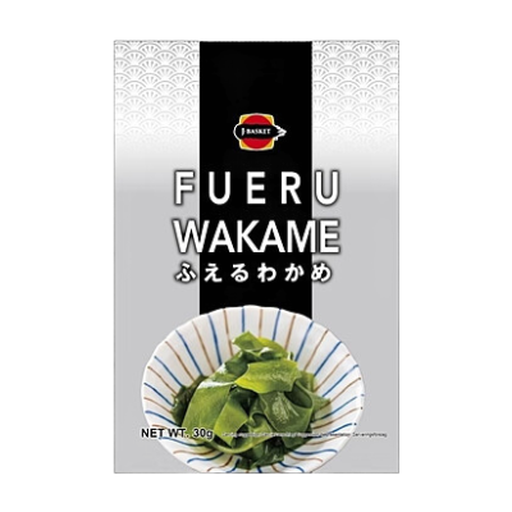
Why This Fits Their Persona: Perfect for home cooks who want to prepare authentic miso soup or a classic wakame salad. This product is the traditional ingredient for these exact dishes.
The clear Wakame product name prevents confusion with nori or kombu, which would have an unsuitable texture for soups and salads. It is explicitly designed for rehydration.
Swells significantly after soaking, making it very economical. It offers a tender, smooth texture and an authentic ocean flavour once prepared.
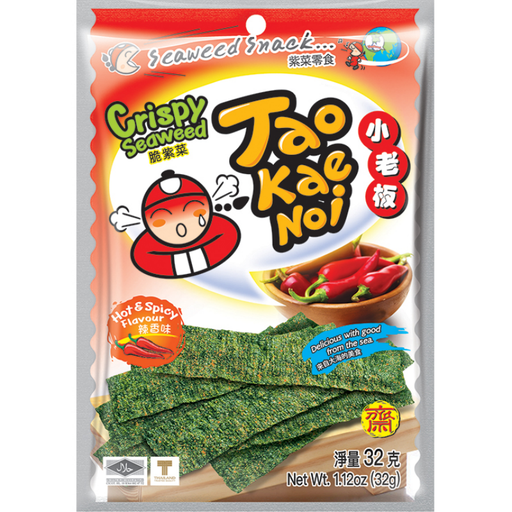
Why This Fits Their Persona: For anyone looking for a flavour-packed, crispy alternative to potato crisps. This snack delivers a powerful spicy kick and is perfect for on-the-go or a cosy night in.
This product is clearly positioned as a seaweed snack, not a cooking ingredient. The ingredients list transparently discloses the use of palm oil and seasonings, ensuring it meets expectations for a savoury snack.
Extremely crispy texture and an intense, spicy seasoning. Ready-to-eat and convenient for immediate enjoyment.
We have compiled a complete, real-time list of products that fully satisfy these strict selection criteria and UK safety regulations.
Dried seaweed is very sensitive to moisture. Store it in a cool, dry, and dark place. Once the package is opened, you should keep the seaweed in an airtight container. This is especially important for roasted nori sheets, as they will otherwise lose their crisp texture.
That depends on the type and how it's processed. Roasted nori sheets and seasoned seaweed snacks are ready-to-eat and do not need to be washed. Dried seaweed like wakame or kombu should be briefly rinsed under running water before soaking to remove any potential dust or excess salt. For best results, always check the preparation instructions on the package.
High-quality dried seaweed has a uniform, deep colour—for example, a deep green or black for nori—and is free of spots or holes. It should have a fresh, oceanic aroma and not smell musty or overly fishy. After rehydration, the texture should be pleasant, neither tough nor slimy.