
Lieferung heute & morgen

Qualitätsgarantie

Willkommens-Angebote freischalten: KOSTENLOSE Lieferung | Bis zu 80 % RABATT | Kostenlose 30-Tage-JoyPlus-Testphase
App herunterladen
Seaweed snacks are growing in popularity across the UK as a crunchy alternative to traditional crisps. Depending on the product, roasted seaweed can be eaten straight from the packet, served as a side dish with rice, or used as an ingredient for sushi. However, there are notable differences between Korean seaweed sheets, Japanese varieties, seaweed flakes and kombu kelp when it comes to flavour, ingredients, portion size and how they're used.
Many crispy seaweed sheets weigh only a few grams. This makes the portion seem small and light. However, for a fair comparison, it's the nutritional information per 100 grams that really matters. Roasted or seasoned seaweed can have very different values to unseasoned nori, thanks to added oil, sugar and salt.
For example, a seasoned product may already contain oil, sesame oil, sugar or seasoning blends. If you eat this snack regularly, you shouldn't just look at the pack size — you should also check the salt, fat and sugar content.
Sushi nori is often made from pure, dried seaweed sheets and is intended for preparation. It's typically unseasoned and can be eaten straight from the pack, used for sushi, or crumbled up. A Korean seaweed snack, on the other hand, is usually already roasted and flavoured with oil, salt or sesame.
If you're making sushi, you need whole, sturdy sheets. For eating straight away, thin, seasoned or rolled products are more practical. The name alone isn't enough — the form and ingredients list should match how you plan to use it.
Seaweed absorbs moisture quickly. Once opened, crispy seaweed sheets lose their characteristic texture if the pack isn't resealed properly. Resealable bags or individually wrapped portions can be handy for the office, school or eating on the go.
For all products, the rule is: store in a cool, dry place, away from direct sunlight, and consume as soon as possible after opening. Always follow the specific instructions on the packaging.
For the clearest product comparison, it's worth checking the order of ingredients. If seaweed or kelp is listed first, it forms the main component. Seasoned seaweed may also contain oil, salt, sugar, chilli, sesame, soy sauce or flavour enhancers, depending on the recipe.
If you have allergies, pay close attention. Some products contain sesame, soya, prawns or nuts, or carry warnings about possible traces. Even with seemingly simple seaweed flakes, always check the current ingredients and allergen labelling on the pack.
Also pay attention to the net weight. A 4.5 g portion is fine for a single snack, whereas 40 g or 50 g packs may be better for several meals or for stocking up.
According to product information, unseasoned dried seaweed can have relatively low energy values per 100 grams. With roasted seaweed, the value often rises due to added oil. This isn't a contradiction — it simply depends on the recipe.
When choosing, three pieces of information are particularly important:
Only compare nutritional values across different products if the reference size is the same.

Why this product fits the profile: The 32 g pack offers a straightforward introduction to roasted seaweed with an original seasoning. It's ready to eat and requires no preparation.
The ingredients list shows the seaweed content at 85%. This makes it easier to assess the composition than with a vaguely described seasoning mix.
Original flavour, 32 g net weight and ready-to-eat preparation. According to the product information, no allergens are listed; possible cross-contact with crustaceans and molluscs should still be noted.
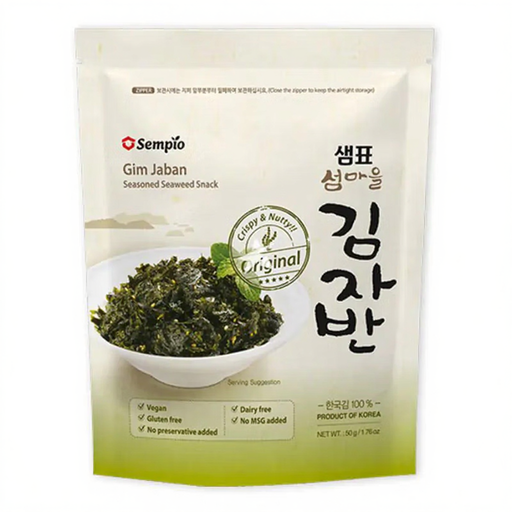
Why this product fits the profile: The larger 50 g size is ideal for those who want to use Korean seaweed sheets both on their own and with rice or other dishes.
The seasoning is clearly described: maize oil, sesame oil, olive oil and roasted sesame seeds. This makes it easier to judge the flavour before buying.
50 g pack, roasted sheets and sesame as a flavour enhancer. Contains sesame and should be consumed soon after opening.
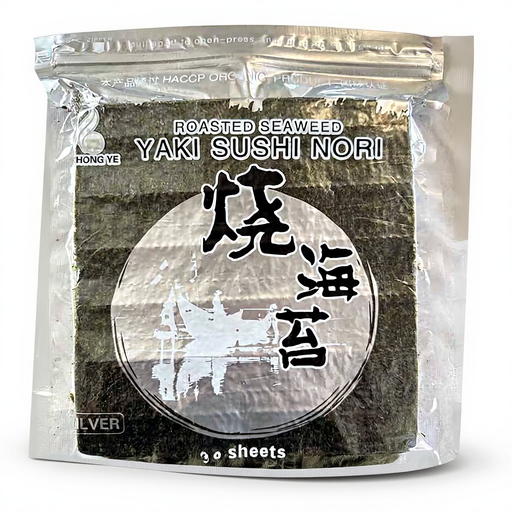
Why this product fits the profile: The 50 sheets are designed for regular sushi making, rice rolls and creative kitchen applications.
According to the product description, these are dried, unseasoned seaweed with just one ingredient. This makes the product clearly distinct from ready-to-eat snack sheets.
140 g or 50 sheets, stated as being free from fat, sugar and salt. Versatile for sushi and as an unseasoned base.
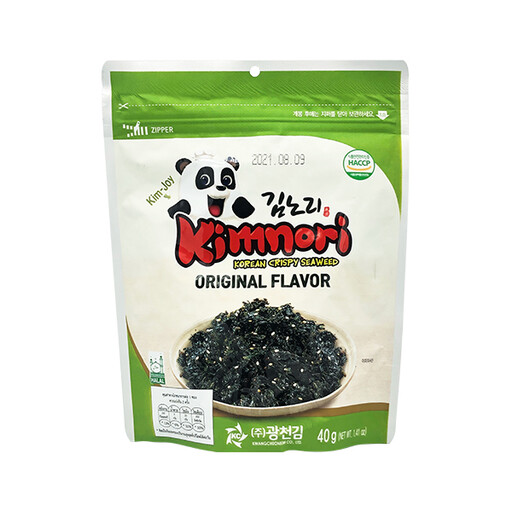
Why this product fits the profile: The finely crumbled seaweed works well as a topping for rice, noodles, soups and salads, or as part of rice balls.
The flake form is clearly stated. Buyers therefore won't expect whole sushi sheets, but rather a sprinkleable Korean side dish.
40 g, 75% seaweed plus rapeseed oil, sesame oil and roasted sesame seeds according to the ingredients list. Contains sesame and should be stored tightly sealed after opening.
We've put together a full, regularly updated list of products that fully meet these strict selection criteria and the safety regulations in force in the EU.
Roasted and seasoned snack sheets, seaweed rolls and many seaweed flakes are ready to eat according to the product description. Dried wakame or kombu seaweed, on the other hand, often needs to be soaked, rinsed and cooked. Always follow the preparation instructions on the packaging.
Store the unopened pack in a dry, cool place away from direct sunlight. After opening, make sure the bag is resealed tightly. For larger packs, an airtight container can be useful. Individual portions reduce exposure to air and moisture.
The best-before date is on the packaging. For unopened products, shelf life depends on the recipe and packaging. After opening, moisture mainly affects the crispiness. That's why opened roasted seaweed, nori sheets and seaweed flakes should be used as soon as possible.