
Lieferung heute & morgen

Qualitätsgarantie

Willkommens-Angebote freischalten: KOSTENLOSE Lieferung | Bis zu 80 % RABATT | Kostenlose 30-Tage-JoyPlus-Testphase
App herunterladen
Anyone looking to buy Sekt online will quickly find a wide selection of German Sekt, Cava, Prosecco, Crémant and Champagne. However, product names alone do not always reveal whether a bottle is suitable for the occasion, your personal taste or the quantity you need. Online offers can be particularly prone to three common mistakes that lead to unnecessary spending.
“Dry” does not automatically mean sugar-free when it comes to sparkling wine. The legally defined terms for residual sugar content are what matter, such as Brut, Extra Dry, Dry, Medium Dry or Demi-Sec. Depending on the product, “Extra Dry” can taste sweeter than “Brut”. If you are looking for a very dry style, check the specific sweetness description and, where available, the residual sugar value.
A 6-pack of Sekt containing 6 x 0.75 l holds 4.5 l in total, which is enough for approximately 36 to 45 glasses, depending on serving size. For a small gathering, this type of packaging may be unnecessarily large. For weddings, birthdays or larger family celebrations, however, a Sekt 6 x 0.75 l pack may be more practical than several individual bottles.
Also consider storage space, delivery weight and whether opened bottles can be resealed with a suitable Sekt or Champagne stopper.
Not every sparkling wine is Champagne. The designation Champagne is linked to its origin in the French Champagne region and to defined production requirements. Cava comes from Spain, Prosecco from specific regions of Italy, and Crémant refers to French sparkling wines produced outside Champagne. Sekt can come from Germany, but depending on the product, it may be made from different wines using different production methods.
Choose the style to suit the occasion and food:
The alcohol content must be stated on the label. Allergy sufferers should also look out for the wording “contains sulphites”.
The standard bottle contains 0.75 l. For a celebration, you can estimate the amount you need as follows:
A multipack can make shopping easier. Nevertheless, check that all the bottles have the same sweetness level, alcohol content and product type. For a gift, on the other hand, a single bottle with gift packaging is often more suitable.
Most sparkling wines should be served well chilled. Depending on the product, the recommended temperatures range from 5 to 11 °C. Bottles that are too warm often taste more alcoholic, while excessive chilling can make the aromas less noticeable.
Unopened bottles are best stored in a cool, dry place away from light. Once opened, a suitable stopper helps retain the fizz for longer. The bottle should then be kept in the fridge and consumed as soon as possible.
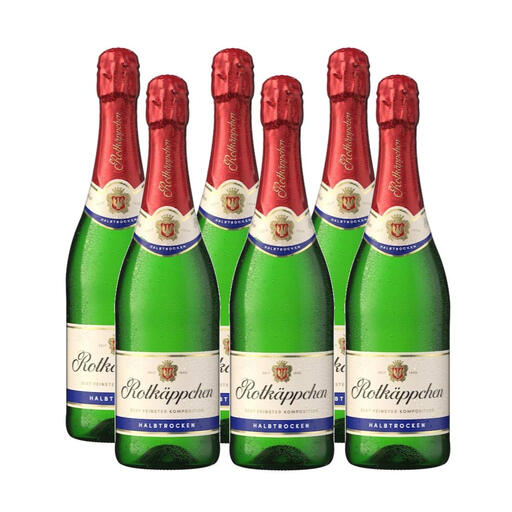
Why this product suits this profile: The six-pack of 0.75-litre bottles is easy to plan for regular occasions and larger groups. Its medium-dry style is suitable for guests with different taste preferences.
The number of bottles and bottle size are clearly stated. This makes it easy to compare the quantity with the number of guests before buying.
Six bottles, 11 % vol. and a medium-dry taste profile. This Sekt is best served well chilled.
Why this product suits this profile: The single 0.75-litre bottle with gift box is ideal for a celebratory aperitif or as a Sekt gift.
The origin, grape varieties, alcohol content and maturation period are stated in the product details. The term Champagne has a clearly defined regional meaning.
12,5 % vol., 36 months of yeast ageing according to the product description, and a recommended serving temperature of 6–10 °C.
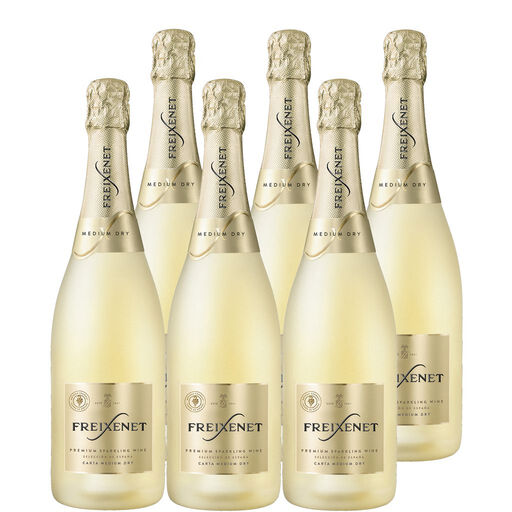
Why this product suits this profile: The Spanish Cava six-pack is designed for larger celebrations and recurring aperitif occasions.
Traditional bottle fermentation is explicitly stated. This means the Cava is not judged solely by its design or brand name.
Origin Spain, 11,5 % vol., a Macabeo-dominant cuvée, plus suggested food pairings such as light starters and seafood.
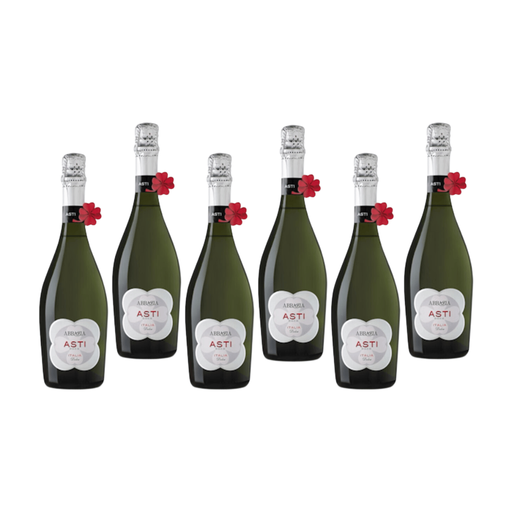
Why this product suits this profile: The sweet Dolce style, made with Moscato grapes, is aimed at shoppers who prefer to serve sparkling wine with desserts or mild cheese.
The sweetness level and alcohol content of 7,5 % vol. are clearly stated. This makes it easy to distinguish the variety from dry Sekt or Prosecco.
Italian origin, Moscato grapes and a recommended serving temperature of 6–8 °C. The product details state 8,8 g of sugar per 100 ml.
We have put together a complete, regularly updated list of products that fully meet these strict selection criteria and the safety regulations applicable in the EU.
For a consistent tasting experience, chill the bottle gradually and do not store it in the freezer. When opening it, point the bottle away from people and keep the cork under control. A slim-shaped sparkling wine glass can help the fizz remain noticeable for longer.
When buying sparkling wine online, look out for the following details:
Alcoholic drinks may only be supplied to people who have reached the legally permitted minimum age in the relevant jurisdiction. Observe the age and delivery information provided with the offer. Alcohol should be avoided during pregnancy. Drink responsibly.
Depending on the glass size, a 0.75-litre bottle provides approximately six to seven servings. For a reception, allow around 0.1 to 0.125 l per person. For longer celebrations or when several drinks are being served, adjust the quantity to suit your plans.
Opened Sekt loses its fizz relatively quickly through exposure to oxygen and warmth. Seal the bottle with a suitable stopper, place it in the fridge and consume it within one to three days if possible. The specific manufacturer's guidance takes precedence.
Champagne comes from the Champagne region. Prosecco is produced in designated regions of Italy, while Cava comes from Spain. Crémant refers to French sparkling wine produced outside Champagne. German Sekt can be made from different base wines. The key factors are therefore origin, production method, sweetness level and product details – not just the name on the label.