
Lieferung heute & morgen

Qualitätsgarantie

Willkommens-Angebote freischalten: KOSTENLOSE Lieferung | Bis zu 80 % RABATT | Kostenlose 30-Tage-JoyPlus-Testphase
App herunterladen
If you’re looking to buy self-tan, you’ll find products for the face and body, in different shades and with or without sun protection. The choice may seem straightforward at first, but some differences can have a big impact on the results and safe use. Self-tan is no substitute for UV protection, and a high SPF does not automatically make spending longer in the sun safe.
A self-tanning mousse or lotion colours the outer layers of the skin using tanning ingredients such as DHA. This creates a visible tan, but it does not provide reliable protection against UVA and UVB rays. Products without a stated SPF should therefore not be used as sun cream.
Products with SPF 30 sun protection or SPF 50 sun protection must also be applied according to the instructions and in a sufficiently generous amount. You’ll often need to reapply after swimming, sweating or drying yourself.
Some lotions contain visible colour pigments. These can make the product easier to apply evenly, but may wash off in the shower. Depending on the formula, the self-tanning effect itself may take several hours to develop. So before you buy, check the instructions for how long to leave it on, when to shower and whether you can reapply.
Fragrance, alcohol, essential oils and certain preservatives may be a concern for some people. If you have sensitive skin, read the INCI list and start with a patch test on a small area of skin. Don’t apply self-tan to irritated, damaged or sunburnt skin.
A face self-tan is usually formulated to be lighter and easier to apply precisely. Blend carefully around the neck and décolletage to avoid any visible lines. Body self-tan is available as a mousse, lotion or cream, and often comes in larger sizes.
For an even application:
An application mitt can help you spread mousse evenly and reduce staining on your palms.
A darker shade won’t automatically suit every skin tone. A gradual self-tan is often easier to build up with control. If a product is labelled “Medium” or “Dark”, start with a small amount, particularly on your face and neck.
If you prefer a natural-looking complexion, start with a thin layer and check after the recommended time to see whether you need a second application. A streak-free tan depends not only on the product, but also on skin preparation, application technique and using an even amount.
When comparing prices, consider the amount in millilitres, which areas of the body the product is intended for and how often you’ll use it. A 50 ml product for the face will be used differently from a 200 ml bottle for the body.
A vegan self-tan may be a good choice if you want to avoid animal-derived ingredients. However, “vegan” and “cruelty-free” mean different things, so check these claims separately. A tanning oil or sun cream with a tanning effect is not automatically a self-tanner that carries no UV risk. For sun products, check the SPF, UVA rating, water resistance and recommended reapplication intervals.
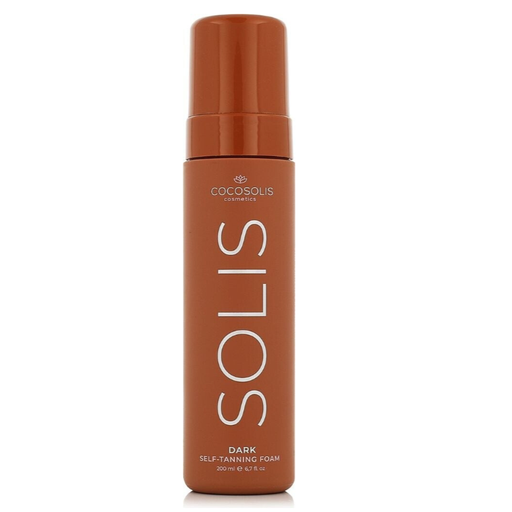
Why it suits this profile: This 200 ml mousse is for anyone who wants to use a light, foamy formula regularly on their body. According to the product description, the formula is vegan and cruelty-free.
The instructions recommend leaving it on for 6 to 8 hours, with a possible repeat application after 24 hours. This makes it easier to plan your application rather than judging the colour too soon.
Foam texture, 200 ml size and Dark shade; DHA is listed among the ingredients.
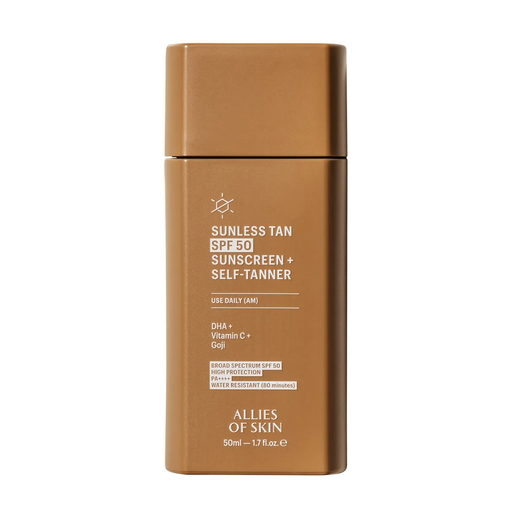
Why it suits this profile: According to the product description, this face cream combines DHA with SPF 50 and PA++++. It may suit anyone looking to combine self-tan and daily facial sun protection in one skincare routine.
The product information specifically advises reapplying after two hours, and after swimming, sweating or drying yourself. The self-tanning effect should still not be treated as complete UV protection.
Face product with SPF 50, PA++++ and DHA; 50 ml size for daily use.
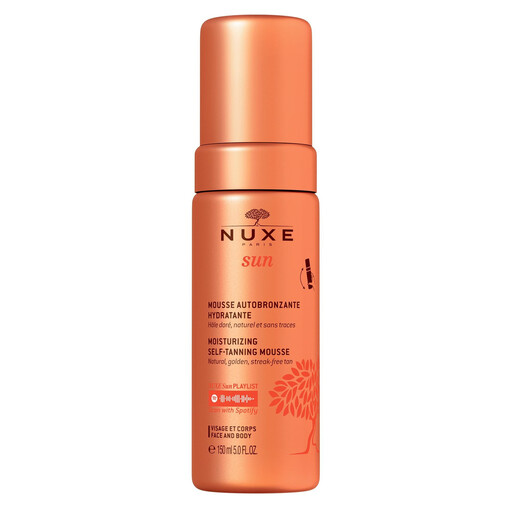
Why it suits this profile: This mousse is designed for anyone looking for a light texture and a gradual tan as part of their regular bodycare routine.
The description mentions naturally derived DHA and a gradual tan. This can help you build up the colour with control, but you should still check the current packaging for instructions.
150 ml mousse, light texture and details of moisturising ingredients.
We’ve put together a complete, regularly updated list of products that meet these strict selection criteria and fully comply with the safety regulations in force across the EU.
That depends on the product, your skincare routine, how often you shower and how much your clothes rub against your skin. The colour often fades gradually as the outer layer of skin renews itself. Wait until your existing tan is mostly even before applying more. Always follow the instructions from the product’s manufacturer.
Yes, you can use a self-tan without SPF alongside a suitable sun cream. Apply the sun cream according to its instructions and reapply regularly. The same applies to products with a stated SPF: use enough and top up after contact with water or drying yourself.
Even skin preparation is key. Moisturise dry areas beforehand, apply the product sparingly and blend carefully around joints and where the tan meets untanned skin. If you’re trying a new product, it’s a good idea to test it on a small area first. This lets you see how the shade, development time and skin compatibility work together.