
Lieferung heute & morgen

Qualitätsgarantie

Willkommens-Angebote freischalten: KOSTENLOSE Lieferung | Bis zu 80 % RABATT | Kostenlose 30-Tage-JoyPlus-Testphase
App herunterladen
The selection of sesame oil on the market can be overwhelming. Light or dark oil, toasted or cold-pressed, organic or a spicy variety—the differences are significant and can dramatically impact the outcome of your dishes. This article serves as a guide. It explains the key characteristics of different types of sesame oil and presents a selection of products to make it easier for you to decide when you want to buy sesame oil.
To find the right product for your kitchen, some basic knowledge about the different types of sesame oil is helpful.
The colour of the oil provides the first clue about its production method and flavour profile.
For consumers who value sustainable agriculture, organic sesame oil is an excellent choice. Products with a recognised organic seal, such as the EU organic logo, guarantee that the sesame seeds were grown without the use of synthetic chemical pesticides and fertilisers.
Furthermore, origin plays a role. Brands like Kadoya sesame oil represent the long tradition of producing Japanese sesame oil and are known for their consistent quality and authentic taste.
Here is a curated selection of three different sesame oils, each intended for specific applications in the kitchen.
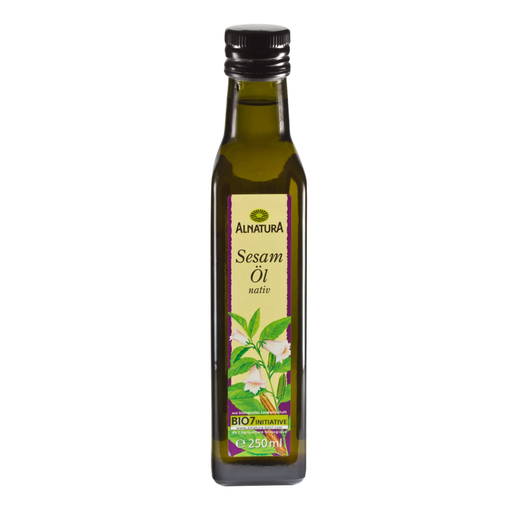
Why it stands out: This virgin, cold-pressed sesame oil in organic quality is distinguished by its rich, nutty, and mild flavour. It is obtained from the first cold pressing, which helps preserve its aroma and quality.
Pros:
Who it's for: For health-conscious home cooks looking for a high-quality organic sesame oil with a mild flavour for salads, dips, and finishing cooked meals. It is a pure flavouring and finishing oil and is not intended for heating.
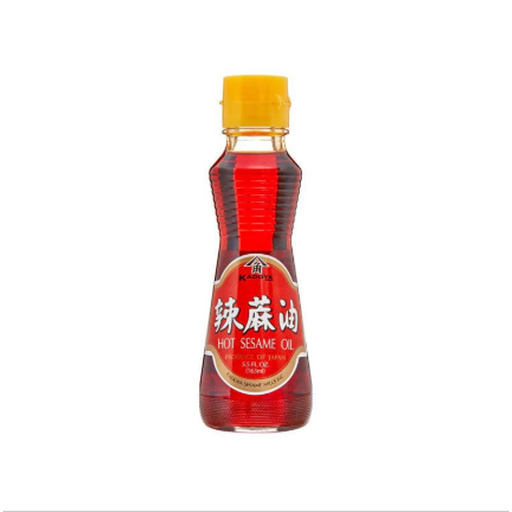
Why it stands out: This traditional hot sesame oil, known as "La-Yu" (辣油) in Japan, combines the aroma of toasted sesame oil with the heat of chilli extract. It is produced by the renowned manufacturer Kadoya.
Pros:
Who it's for: For lovers of Japanese and Asian cuisine who want to give their dishes an authentic, spicy kick. It is the perfect oil to add a finishing touch to dishes like soups or dumplings.
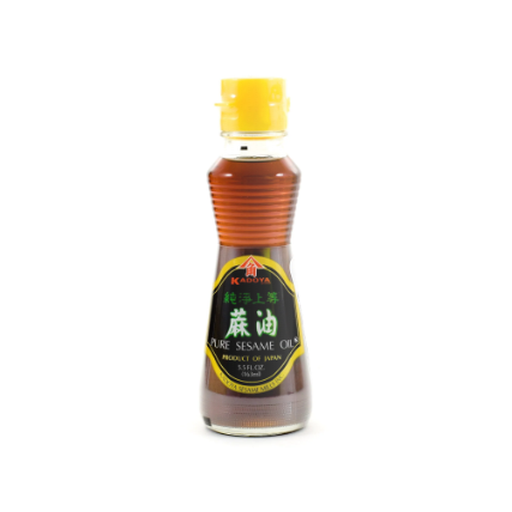
Why it stands out: This is a 100% pure, toasted sesame oil from Kadoya, Japan's leading manufacturer since 1858. It is made from carefully selected and toasted sesame seeds, offering a classic, deep roasted aroma.
Pros:
Who it's for: For cooks seeking the authentic and intense flavour of toasted sesame oil as an essential pantry staple for their Asian culinary adventures.
If you haven't found the right sesame oil for you yet or wish to expand your collection of cooking oils, you can find more interesting products for your kitchen in our Mustard Oil category.
Light sesame oil is cold-pressed from raw seeds, has a mild flavour, and is suitable for cold dishes. Dark sesame oil is extracted from toasted seeds, has an intense roasted aroma, and is mainly used as a finishing oil to flavour dishes.
It depends on the type. Cold-pressed sesame oil has a low smoke point and is not heat-stable; therefore, it should not be used for frying. Its flavours are best preserved when used cold or added to dishes after cooking. Toasted sesame oil is also primarily used as a flavouring oil, not as a frying fat. Refined sesame oils, which have a less pronounced aroma, are better suited for high temperatures.
Sesame oil should be stored in a cool, dark, and dry place to protect its aroma and quality. Direct sunlight and heat can cause the oil to become rancid. After opening, the bottle should be tightly sealed and used promptly. Storing it in the refrigerator is possible for some varieties; please refer to the instructions on the packaging.