
Lieferung heute & morgen

Qualitätsgarantie

Willkommens-Angebote freischalten: KOSTENLOSE Lieferung | Bis zu 80 % RABATT | Kostenlose 30-Tage-JoyPlus-Testphase
App herunterladen
By Joybuy Product Recommendation Officer, July 28, 2026
The search for the right sesame oil can be more confusing than it first appears. A quick glance at the shelf reveals a variety of bottles that differ greatly in colour, price, and description. However, making the wrong choice can compromise or even ruin the flavour of a carefully prepared dish. Many home cooks grab the wrong product because they fall for two common misconceptions.
The first pitfall is confusing cooking oil with finishing oil. Not every sesame oil is suitable for high-heat frying. Using a dark, aromatic oil in a hot pan will destroy its delicate aroma and can create a bitter taste. The second common mistake is assuming that any product labelled "sesame oil" is 100% sesame. Many more budget-friendly options are blends, which have their place in the kitchen but do not deliver the intense, nutty aroma characteristic of many Asian dishes.
This guide will help you navigate these pitfalls and understand the key parameters so you can confidently buy the right sesame oil.
To make an informed decision, you should be familiar with three fundamental properties of sesame oil. These determine the oil's flavour, intended use, and quality.
The most important factor determining the character of a sesame oil is whether the sesame seeds were roasted before pressing.
The ingredients list reveals the composition of the oil.
Although most sesame oils are made from white or light-coloured sesame seeds, there is also a special variety.
Based on these criteria, we have compiled a few products for different user profiles.
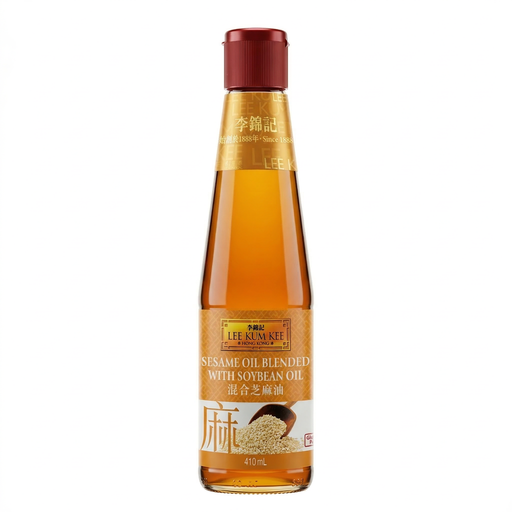
Why This Fits Their Persona: Ideal for anyone looking to get acquainted with the taste of sesame oil without being overwhelmed by an overly intense aroma. This blend from Lee Kum Kee is versatile for dressings, marinades, and light seasoning.
The balanced aroma of this blend prevents dishes from being accidentally overpowered by a dominant sesame flavour—a common mistake when using 100% pure oil.
Great value for money and a milder flavour that integrates well into a wide variety of recipes.
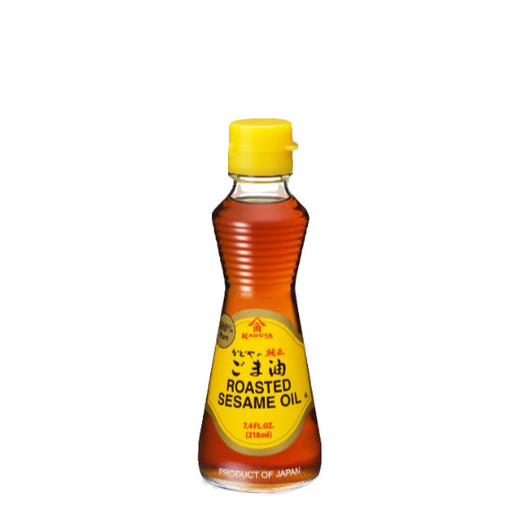
Why This Fits Their Persona: For cooks who seek the unadulterated, deep, and nutty flavour of high-quality sesame oil. This Japanese sesame oil is a classic, prized for its pure, intense aroma that is ideal for finishing dishes.
It avoids the pitfall of diluted blends and delivers the full, authentic aroma that is essential for many Asian recipes. It is clearly positioned as a pure finishing oil.
Made from 100% toasted sesame seeds for a maximum, unadulterated aroma. A renowned brand from Japan.
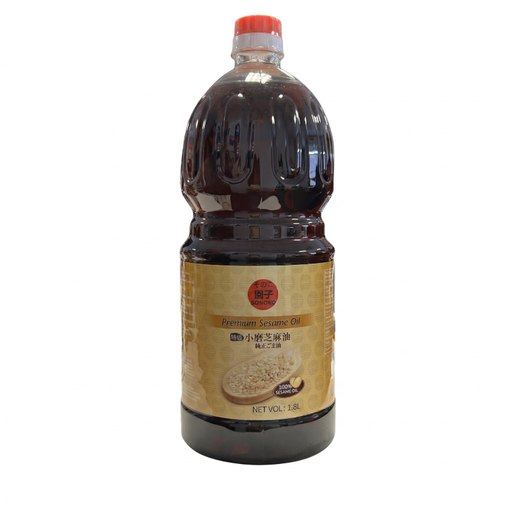
Why This Fits Their Persona: Perfect for food service or households where sesame oil is used regularly and in large quantities. The 1.8L bottle of pure sesame oil offers excellent value and ensures a supply is always on hand.
Solves the problem of constantly repurchasing small, overpriced bottles. It offers the quality of pure sesame oil in an economical, large-format size.
100% pure sesame oil in a high-volume 1.8L bottle. Ideal for professional use or ambitious home cooks.

Why This Fits Their Persona: For cooks who want to go beyond the standard flavour profile and discover new ones. This oil, made from 100% black sesame seeds, offers a unique, intense, and complex aroma.
It shatters the assumption that all sesame oils taste the same. It provides a clear flavour alternative for specific culinary applications and prevents flavour monotony.
Pure black sesame oil for an especially robust, nutty, and slightly bitter taste experience. Ideal for dressings and finishing.
We've compiled a complete, up-to-date list of products that meet these strict selection criteria and quality standards.
It depends on the type. Dark, toasted sesame oil is a finishing oil with a low smoke point and should not be used for high-heat frying, as it will become bitter and lose its aroma. It is added at the end of the cooking process. Light, cold-pressed sesame oil, on the other hand, has a higher smoke point and a neutral flavour, making it suitable for frying and cooking.
Sesame oil should be stored in a cool, dark place, away from direct sunlight and heat sources like the stove. After opening, the bottle should always be tightly sealed. Storing it in the refrigerator can extend its shelf life but may cause the oil to become cloudy. This cloudiness is harmless and will disappear at room temperature.
The key difference lies in the processing of the sesame seeds. Dark sesame oil is pressed from toasted seeds, which gives it its dark colour and strong, nutty aroma. It serves as a finishing oil. Light sesame oil is extracted from un-toasted seeds, is neutral in taste, and is used as a cooking oil.