
Lieferung heute & morgen

Qualitätsgarantie

Willkommens-Angebote freischalten: KOSTENLOSE Lieferung | Bis zu 80 % RABATT | Kostenlose 30-Tage-JoyPlus-Testphase
App herunterladen
By the Joybuy Product Recommendation Officer, August 30, 2026
It's a familiar problem: you've just washed your hair, but it already feels greasy and limp after a short time. Quickly greasy roots can be frustrating and complicate your daily care routine. The market offers an overwhelming selection of products that promise a quick fix. But not every shampoo for oily hair delivers on its promise.
Many consumers invest in products that unknowingly worsen the problem. To help you with your selection, we will highlight two common pitfalls and explain which objective criteria you should look for.
An informed purchasing decision is not based on marketing promises, but on the composition and mode of action of a product. For a shampoo for oily hair, two factors are particularly crucial.
Surfactants are the active cleansing agents in a shampoo, responsible for removing dirt and excess oil. Their selection is critical for the health of an oily scalp.
In addition to the cleansing base, specific active ingredients that are proven to address the needs of oily skin and hair are important.
The choice of the right shampoo depends on individual needs. Here are some suggestions tailored to different user profiles.
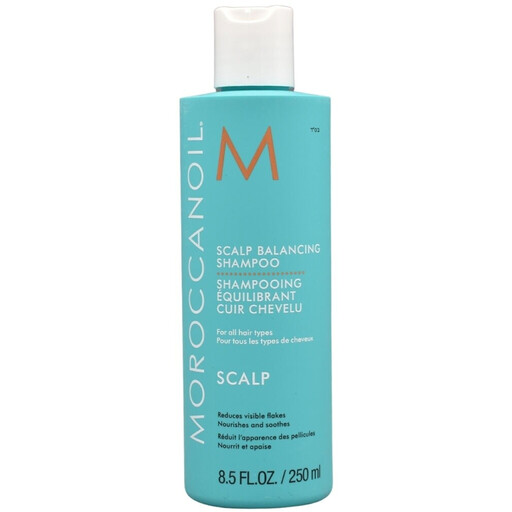
Why This Fits Their Persona: Ideal for users whose problem goes beyond simple greasiness and who have a sensitive, itchy, or dandruff-prone scalp. This product aims to restore the scalp's balance.
Instead of just aggressively stripping the scalp, it combines clarifying salicylic acid with soothing and nourishing ingredients like niacinamide and argan oil to prevent the rebound effect.
Addresses multiple scalp issues (oil, dandruff, sensitivity) in one formulation. Sulfate-free formula that is also suitable for daily use.
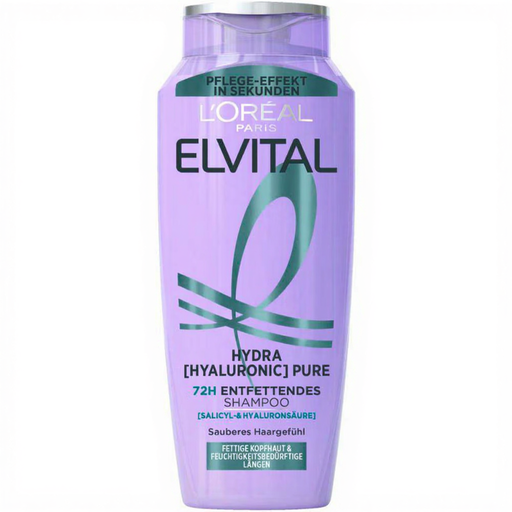
Why This Fits Their Persona: Suitable for individuals looking for an effective and straightforward solution for daily use. The focus is on noticeable oil control while simultaneously caring for the hair's lengths.
This shampoo combines purifying salicylic acid with hydrating hyaluronic acid. It solves the dilemma of having to choose between a clean scalp and nourished lengths.
Balances the needs of an oily scalp and drier ends. The formulation aims for a long-lasting effect, allowing you to delay hair washing.
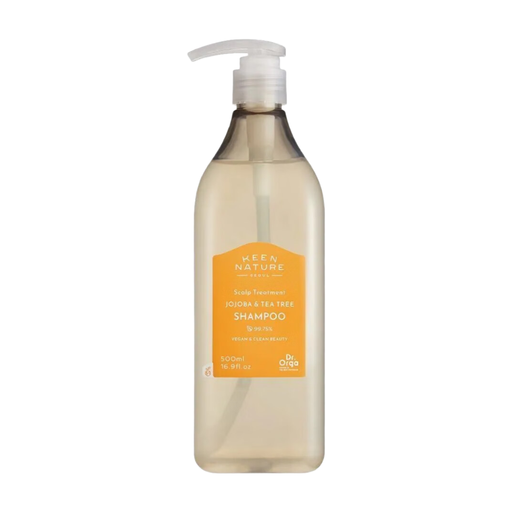
Why This Fits Their Persona: Perfect for buyers who value formulations with well-known botanical ingredients. This shampoo leverages the properties of tea tree and jojoba oil to regulate the scalp.
Instead of relying on a vague marketing ingredient, it uses tea tree oil, an ingredient whose clarifying properties for the scalp are well-documented. Jojoba oil helps to regulate sebum production.
Combines oil control with moisturizing and soothing properties. The included jojoba oil is structurally similar to human sebum, helping to restore balance.
We've compiled a complete, up-to-date list of products that fully meet these strict selection criteria and all applicable regulations.
1. How often should you wash oily hair? There's no one-size-fits-all rule. Some people need to wash their hair daily to feel comfortable, while others can reduce washing to every two or three days. Using a mild, balancing shampoo can help reduce the need for daily washing without causing the scalp to overreact.
2. Can the wrong shampoo make oily hair worse? Yes. A shampoo that is too aggressive can irritate the scalp and stimulate the sebaceous glands to increase production, leading to faster re-greasing. Conversely, a shampoo that is too rich or nourishing, designed for dry hair types, can weigh the hair down and make it look greasy immediately.
3. Are shampoos with oils fundamentally unsuitable for oily hair? Not necessarily. It depends on the type of oil. Light, non-comedogenic oils like Jojoba Oil or clarifying essential oils like Tea Tree Oil can be beneficial for an oily scalp. However, heavy, film-forming oils should be avoided as they can clog pores and weigh down the hair.