
Lieferung heute & morgen

Qualitätsgarantie

Willkommens-Angebote freischalten: KOSTENLOSE Lieferung | Bis zu 80 % RABATT | Kostenlose 30-Tage-JoyPlus-Testphase
App herunterladen
Buying shoes online offers a vast selection and the convenience of home delivery. However, these advantages can be quickly overshadowed by drawbacks if the pair that arrives doesn't fit, the quality is disappointing, or the material shows signs of wear after a short time. Many buyers fall into recurring traps set by vague product descriptions and clever marketing. This guide will help you recognise these pitfalls and make an informed decision.
To avoid a bad purchase, focus on objective and measurable criteria. These three parameters are crucial for selecting the right footwear.
Forget vague size labels. The most reliable method is to measure your own foot length in centimetres and compare it with the manufacturer's size chart.
Pay attention to detailed information about the materials used. This is especially important for performance footwear like waterproof hiking boots.
Think carefully about what you need the shoe for. A lightweight sneaker is ideal for everyday life but won't offer the necessary support for a mountain hike.
Here are some product recommendations tailored to specific use cases that take the above criteria into account.
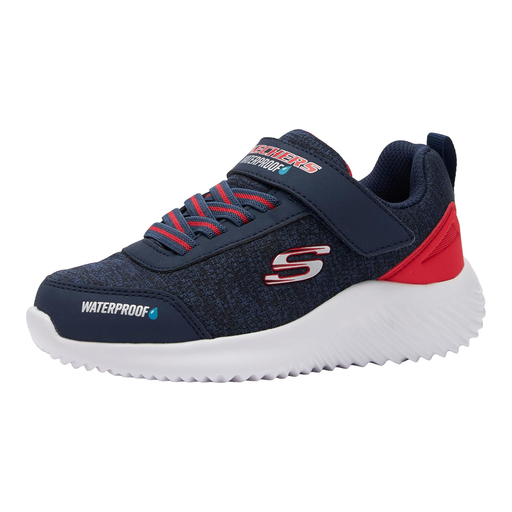
Why this model is a great fit: Ideal for the daily life of kids who are always on the move. The lightweight design and flexible sole support the natural rolling motion of the foot during play. The fabric upper is easy to clean and breathable.
The manufacturer provides a detailed size chart with centimetre measurements. This minimises the risk of a bad purchase due to unclear sizing and bypasses the "sizing lottery."
The upper, lining, and sole are made of textile, which makes the shoe light and flexible. The care instructions are clearly defined: wipe with a soft, dry cloth.
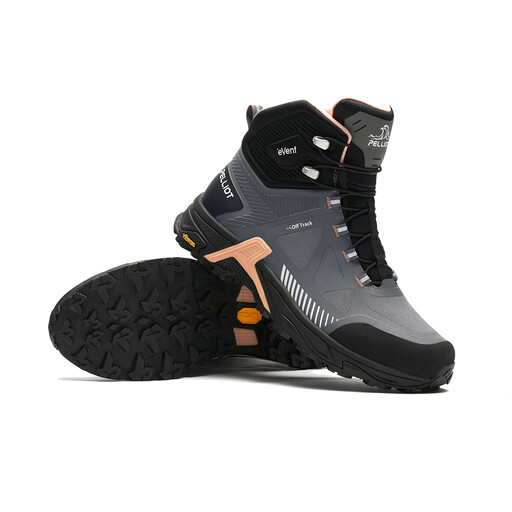
Why this model is a great fit: Designed for demanding terrain. The high-top cut stabilises the ankle, while the aggressive lug pattern on the rubber sole provides grip on wet rock and loose ground. Suitable for trekking and technical hikes.
The product description goes beyond vague terms. It specifies a "breathable and waterproof membrane" and an "abrasion-resistant upper with a protective toe cap," which counteracts the pitfall of unclear material promises.
The Fitgo quick-lacing system allows for precise, one-handed adjustment. This is a concrete, useful feature, not just a marketing gimmick.

Why this model is a great fit: A hygienic and practical solution for visitors at home, in holiday lets, or small guesthouses. The universal fit and lightweight design offer guests immediate comfort without needing to stock multiple sizes.
This product focuses on clear functionality rather than overhyped features. The description concentrates on the essentials: single-use, hygiene through individual packaging, and slip resistance.
The sole features a non-slip texture that increases safety on smooth indoor floors. The non-woven fabric material is soft and designed for short-term use.
The right gear is crucial for comfort and safety, whether you're hiking in the Alps or relaxing at home. Similar care in selection also applies to other active lifestyle products. A balcony umbrella, for example, should not only provide shade but also offer verifiable umbrella UV protection (UPF 50+) and be made from fade-proof, weather-resistant material to ensure longevity.
We have compiled a complete, up-to-date list of products that fully meet these strict selection criteria and German safety regulations.
1. How do I correctly measure my foot length for buying shoes online? Place a sheet of paper on a hard, flat floor. Stand on it with your heel against a wall. Mark the spot in front of your longest toe. Measure the distance from the edge of the paper (where your heel was) to the mark. Compare this measurement in centimetres with the respective shoe manufacturer's size chart.
2. What is the difference between waterproof and water-resistant shoes?Water-resistant shoes have a surface treatment (DWR coating) that causes light rain or splashes to bead up and roll off. However, with prolonged or heavier exposure to moisture, water will penetrate. Waterproof shoes have a built-in membrane (a special layer of material) that blocks water from entering while still allowing sweat to escape in the form of water vapour.
3. Do children's shoes require special features? Yes. Above all, children's shoes should be flexible so as not to restrict the natural movement of the foot. A low weight is also important to avoid unnecessarily tiring their feet. Since children's feet grow quickly, a regular fit check (allowing about 12–15 mm of space in front of the toes) is essential. Durable materials and a non-slip sole are important for safety during play.