
Lieferung heute & morgen

Qualitätsgarantie

Willkommens-Angebote freischalten: KOSTENLOSE Lieferung | Bis zu 80 % RABATT | Kostenlose 30-Tage-JoyPlus-Testphase
App herunterladen
Anyone looking to buy shoes online is often faced with a huge selection: running shoes for tarmac, trail running shoes for unpaved paths, trainers for everyday wear, or clogs and water shoes for the home, garden and leisure time. Product images alone are not enough to make a reliable decision, however. What matters are measurable details about the fit, materials, sole and care requirements.
Lightweight running shoes can feel comfortable during training, but depending on the surface they may need an outsole with sufficient tread. A model with a smooth rubber sole may be suitable for urban paths, but could offer less grip on wet woodland ground. Conversely, heavily lugged trail running shoes may feel harsher on tarmac and wear out more quickly.
EU sizes vary depending on the brand, last shape and model. Particularly with men’s running shoes, unisex shoes and children’s shoes, shoppers should compare their foot length in millimetres with the size chart. For children, it is also important to allow some room for movement and growth without letting the foot slide around inside the shoe.
“Breathable”, “water-repellent” and “slip-resistant” are only meaningful when the construction is described. Mesh can promote air circulation, but it is not automatically waterproof. A lugged rubber sole may offer more grip on certain surfaces, but it cannot replace careful movement on ice or very smooth ground. EVA shoes are lightweight and easy to care for, but they are not designed for every type of use.
It is best to measure both feet in the evening while wearing the socks you normally intend to wear. Use the measurement of the longer foot as your reference. Compare the result with the manufacturer’s specifications and look out for:
For example, the PELLIOT running shoe is listed in both standard and slim versions. The available sizes range from EU 39 to EU 45, with a specific foot length assigned to each size. Before buying, compare these measurements with your own.
Sandwich mesh and woven textiles can move heat and moisture outwards more quickly than dense synthetic materials. This is particularly relevant for running and warm days. Reinforcements, such as a TPU film, can improve abrasion resistance, but may alter breathability in those areas.
For clogs, slide sandals and water shoes, ease of cleaning and water drainage are especially important. Ventilation holes or side drainage openings can help water escape. They do not, however, automatically make a shoe slip-resistant on every surface.
An EVA midsole is often used because it is lightweight and has elastic properties. When choosing, consider whether the shoe is intended primarily for hard paths, changing surfaces or short everyday trips. Also check:
On slippery surfaces, the ground conditions, moisture and dirt remain important factors. A manufacturer’s statement about grip should therefore be understood as a product characteristic, not a guarantee for every situation.
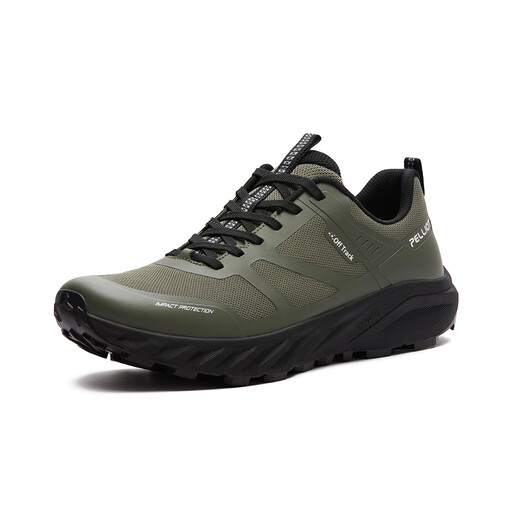
Why this product suits this profile: This shoe combines a lightweight mesh upper with an EVA midsole and is described as suitable for roads and changing surfaces. That makes it appealing to beginners who do not want to buy several pairs of running shoes.
The specifications list the upper, midsole, outsole and sizes by foot length. This makes it easier to assess the choice than relying on the word “lightweight” alone.
Mesh and woven textile upper; EVA midsole; ROCKYTEC outsole according to the product description.
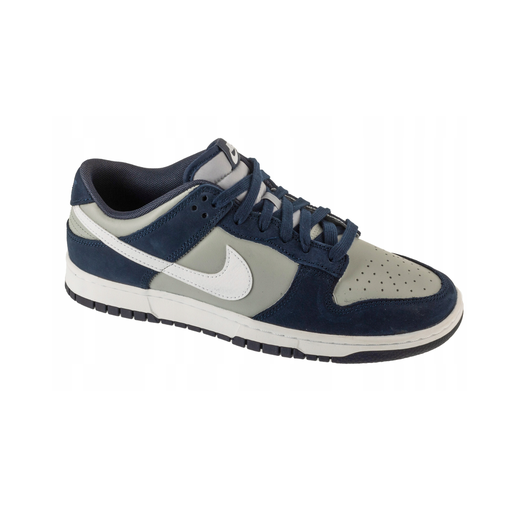
Why this product suits this profile: This trainer is designed for everyday wear and sporty-inspired casual outfits. Synthetic leather, textile and a rubber sole provide clear material information for shoppers looking to combine style with practicality.
The size chart includes centimetre measurements. This makes it easier to compare the shoe with your own foot length and reduces reliance on general assumptions about sizing.
Synthetic leather and textile upper; rubber sole; padded insole according to the product specifications.
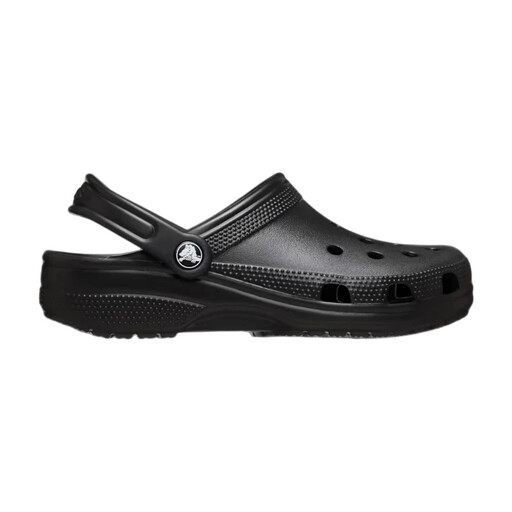
Why this product suits this profile: This clog is suitable for short journeys, the home, garden and leisure time. Lightweight Croslite material, ventilation holes and an adjustable heel strap make it practical for frequent putting on and taking off.
The construction explicitly states the material, ventilation, water repellency and strap details. This helps shoppers judge whether the clog is intended for everyday use rather than sporting activities.
Lightweight Croslite material; ventilation holes; adjustable heel strap according to the product description.
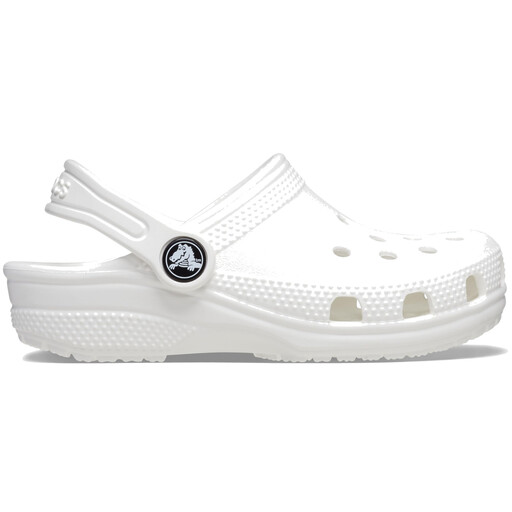
Why this product suits this profile: This children’s clog is easy to put on and is described as suitable for indoor and outdoor use. According to the product specifications, the available selection ranges from EU 28/29 to 38/39.
The size selection, pivoting strap and care instructions are clearly stated. Even so, you should still check the actual foot length before buying.
Croslite material; ventilation holes; adjustable strap; clean with water and mild soap according to the product specifications.
We have put together a complete, regularly updated list of products that fully meet these strict selection criteria and the safety regulations applicable in the EU.
The lifespan of a pair of shoes depends on use, the surface, body weight, care and storage. Running shoes should not be stored permanently while damp. Mesh models can generally be cleaned with mild soap and cold water, then left to air-dry. Direct heat can affect adhesives, foams or synthetic materials.
For EVA shoes such as slide sandals and clogs, rinsing them with water is usually sufficient. Allow them to dry in the shade and avoid strong heat sources. For leather or faux-leather trainers, use a soft cloth and a mild cleaning product. Always follow the specific care instructions for the product in question.
Measure both feet in millimetres and use the measurement of the longer foot. Compare it with the size chart for the specific model. With running shoes, your toes should not touch the front; for children, foot length, width and the intended amount of room for movement should all be considered together.
There is no single standard lifespan. Regularly check the tread, creasing in the upper, uneven wear and any loss of cushioning. Frequent training on tarmac puts different demands on the outsole than occasional use on woodland paths.
Look for terms such as “Wide Fit”, a wider last shape or specific information about shoe width. Models with soft, flexible uppers may adapt more comfortably, but should still provide sufficient support around the heel and midfoot. With sandals and clogs, wide straps or open sides can provide more room.