
Lieferung heute & morgen

Qualitätsgarantie

Willkommens-Angebote freischalten: KOSTENLOSE Lieferung | Bis zu 80 % RABATT | Kostenlose 30-Tage-JoyPlus-Testphase
App herunterladen
Buying snacks and baby food online can save time when product details, age recommendations and pack sizes are easy to compare. At the same time, eye-catching packaging and vague marketing claims can easily lead to the wrong purchase. So it’s not just about taste: think about how you plan to use the product. Are you looking for a small snack to take out with you, a multipack for the family, a party mix or age-appropriate baby food?
With fruit and cereal purée or muesli, “no added sugar” can mean that the only sugar comes naturally from the fruit. That doesn’t make it a sugar-free product. It’s worth checking the nutrition table and ingredients list. For example, Bebivita Fruit & Cereal Apple-Mango contains 7.2 g of sugar per 100 g, even though the product description says no sugar has been added.
Baby purée from 5 months, products from 6 months, and HiPP muesli from 8 or 10 months are designed for different stages of development. The age recommendation isn’t just a decorative detail on the packaging. Before buying, parents should check that it fits their baby’s current weaning plan. Always follow the information on the product packaging, as online details may change.
A 6-pack can bring down the price per item, but it only makes sense if you’ll use the contents within the stated shelf life. Once opened, baby food often comes with special storage instructions, such as keeping it chilled and using it within a few days. For snacks such as chocolate, liquorice or savoury biscuits, also check whether the pack can be resealed airtight after opening.
Snack recipes can vary considerably. According to the product details, BIKANO Pataka Mix Chana contains chickpeas, vegetable oils, spices and 1.9 g of salt per 100 g, among other ingredients. BIKANO All In One Mix also contains peanuts and cashews. For households managing allergies, the full ingredients and allergen list is therefore more useful than the product name “Mix”.
When choosing a nut and fruit mix or trail mix, check the following:
Whole nuts and hard snack pieces can pose a choking risk for children under four. Follow any relevant warnings and make sure children are appropriately supervised.
Whether you’re choosing organic baby food, fruit and cereal purée or a product such as Bebivita baby purée, the age recommendation, texture and portion size matter as well as the ingredients list. A finely puréed jar is different from muesli containing pieces of cereal. Choose according to your child’s individual development and the information on the label. If you’re unsure about introducing new foods, advice from a paediatric or nutrition professional may be helpful.
A 250 g jar in a 6-pack is handy if you use it regularly, but you’ll need enough storage space. HiPP multipacks with 160 or 190 g per portion can be practical for families who want to plan individual servings more easily. Once opened, follow the recommended fridge storage instructions. Don’t keep leftover portions for later based on guesswork.
For dry snacks, store them in a cool, dry place and keep the bag tightly sealed. This applies equally to Indian snacks, party snacks, savoury biscuits, liquorice and chocolate.
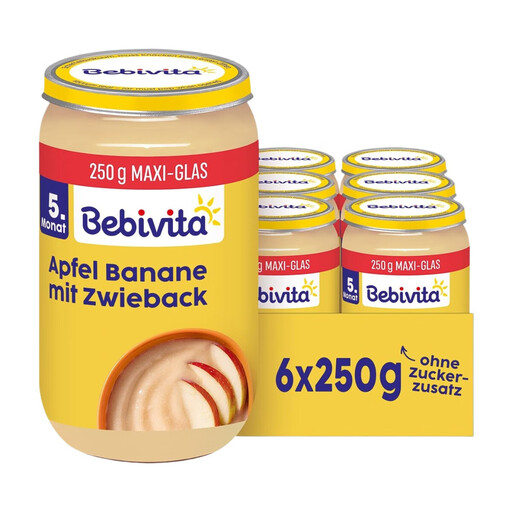
Why it suits this shopper: The 6-pack of 250 g jars is a good fit for families who plan to serve fruit and cereal purée regularly from 5 months.
The age recommendation, ingredients and information about no added sugar are clearly stated, so you can make an informed choice rather than relying on the packaging design alone.
6 x 250 g, apple and banana with rusk; according to the product details, made with ingredients from organic farming.
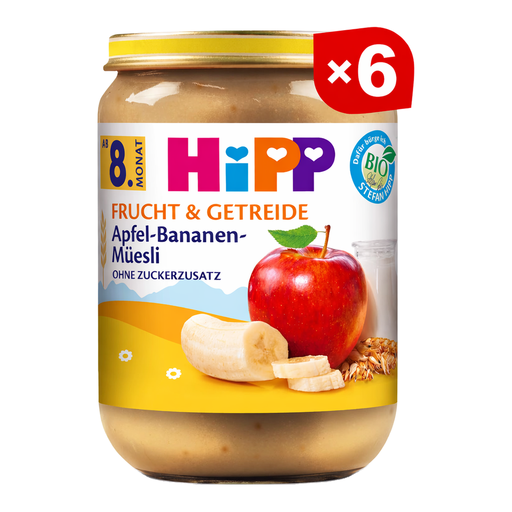
Why it suits this shopper: A good choice for shoppers looking for organic ingredients, a clear age recommendation and a transparent recipe in a HiPP muesli.
The product details specify 71% organic fruit, cereal, and no added sugar, flavourings or preservatives.
6 x 190 g, apple, banana, yoghurt and oats; stated as suitable from 8 months.
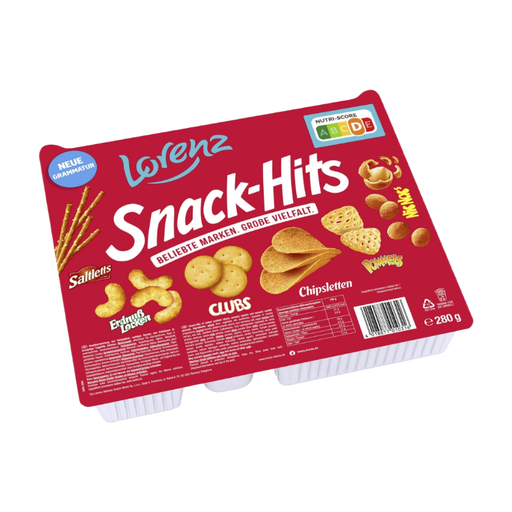
Why it suits this shopper: For game nights, get-togethers and parties, this mix brings several savoury snacks together in one pack.
The pack lists the snack types and relevant allergens, including gluten, peanuts, soya, milk, nuts, sesame and egg.
280 g of party snacks, including pretzels, crackers and other savoury bites; can be stored at room temperature.
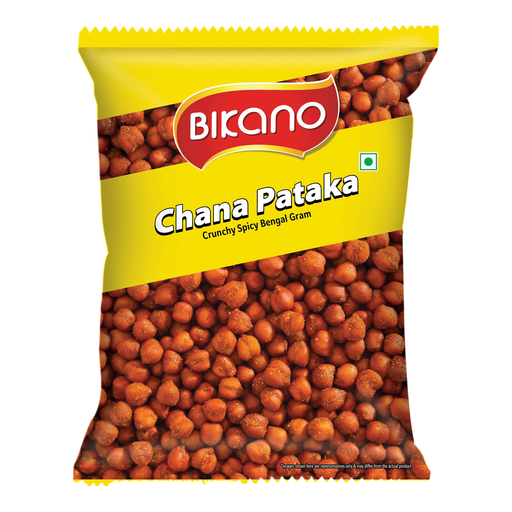
Why it suits this shopper: An option for adults looking for Indian snacks made with chickpeas, spices and a punchy, spicy flavour.
The ingredients list includes spices, mustard and gluten-containing ingredients. The salt content is also clearly stated at 1.9 g per 100 g.
200 g pack, with 72% chickpeas according to the ingredients list; store in a dry place at room temperature.
We’ve put together a complete, regularly updated list of products that meet these strict selection criteria and fully comply with the safety regulations in force in the EU.
For a mixed order, it can make sense to combine products from different categories:
The key things to check are the age recommendation, texture, types of cereal included and any potential allergens. The information on the jar takes priority. Introduce new ingredients in line with your baby’s individual weaning plan.
It depends on the product. For several of the jars mentioned, the recommendation is to keep leftovers sealed in the fridge and use them within three days. Some HiPP products may have shorter time limits, depending on the variety. Always check the label before use.
A multipack can make it easier to keep your cupboards stocked and reduce the price per item. It’s most worthwhile if you use the product regularly, have enough storage space and can use it within its shelf life.