
Lieferung heute & morgen

Qualitätsgarantie

Willkommens-Angebote freischalten: KOSTENLOSE Lieferung | Bis zu 80 % RABATT | Kostenlose 30-Tage-JoyPlus-Testphase
App herunterladen
Anyone looking to buy soft drinks online will quickly find a wide selection of cola, lemon lemonade, fruit lemonade, apple spritzer and Asian drinks. Buying online is convenient, particularly when several bottles and cans are needed for families, offices or an event. At the same time, product images and advertising claims can push important details about the recipe, packaging or actual quantity into the background.
As a Joybuy Product Recommendation Officer, I assess the key information objectively. This makes it easier to identify which soft drink suits your consumption habits, budget and taste.
Sugar-free soft drinks may contain sweeteners such as aspartame, acesulfame K, cyclamate or sucralose. This is not a contradiction: sugar and sweeteners are different ingredients. If you want to avoid certain sweeteners, you should therefore check the full ingredients list rather than just the front of the packaging.
For drinks containing caffeine, the relevant warning is also important. For example, the product information for Coca-Cola Zero Sugar indicates that it contains caffeine and a source of phenylalanine.
A pack of 24 0.33-litre cans contains 7.92 litres. By contrast, a six-pack of 1.25-litre bottles contains 7.5 litres. The number of units alone therefore says little about the actual supply. For price comparisons, use the price per litre.
Smaller units are often easier to hand out at parties. In the office or for regular family consumption, larger bottles may mean less packaging per litre. However, they need to be consumed more quickly after opening to preserve their fizz and flavour.
A deposit may be charged on drinks in single-use PET bottles or glass bottles. You should therefore check the product description for information such as “deposit included”. For example, Hella Lemonade lists a deposit of 1.50 euros for the six-pack.
Storage requirements also vary. Unopened soft drinks should normally be kept in a cool, dry place away from direct sunlight. Once opened, they should be refrigerated and consumed within the period stated on the product page or packaging.
The nutritional table generally refers to 100 millilitres. For a realistic assessment, apply the figures to the entire serving. A 330-millilitre can contains approximately 3.3 times the values given per 100 millilitres.
Examples from the selection:
This means drinks may suit different occasions. A classic lemonade can be chosen for guests or meals, while lower-calorie options may appeal to consumers with a corresponding dietary focus. No medical or therapeutic effects should be inferred from this.
“Buying lemonade” does not always mean the same taste experience. Lemonade may be made with lemon juice concentrate, flavouring or a combination of the two. With fruit lemonade and orangeade, it is worth checking the fruit content.
Orangina Original, for example, states that it contains 10% orange content in the multi-fruit juice and 2% fruit pulp. According to the product information, Paulaner Orange Lemonade contains orange concentrate and natural orange flavouring. An apple spritzer such as GEROLSTEINER, on the other hand, combines 50% apple juice with mineral water.
For a one-off occasion, 0.2- to 0.33-litre units are easy to portion. For keeping supplies at home or in the office, 0.75- to 1.25-litre bottles may be more suitable. Before ordering, you should also consider the weight of the carton, available storage space and your preferred type of packaging.
Anyone wanting to order cola online can choose between a standard caffeinated recipe, sugar-free options and flavours such as Cherry. For international drinks such as a Ramune drink, smaller 200-millilitre bottles are generally the focus.
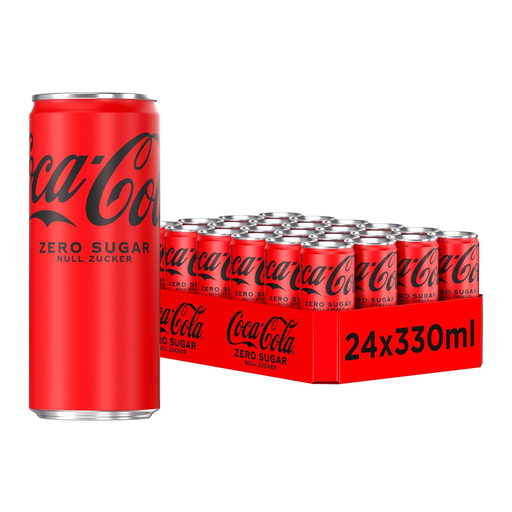
Why this product suits the profile: The 24-pack of 0.33-litre cans provides clearly portioned units for the home, office or smaller gatherings. According to the product information, the drink contains 0 g of sugar and 0.2 kcal per 100 ml.
The nutritional values and sweeteners are listed in the product information. This makes it possible to distinguish “sugar-free” from “free from sweeteners”.
24 portioned cans, a caffeinated cola recipe and, according to the description, no sugar.
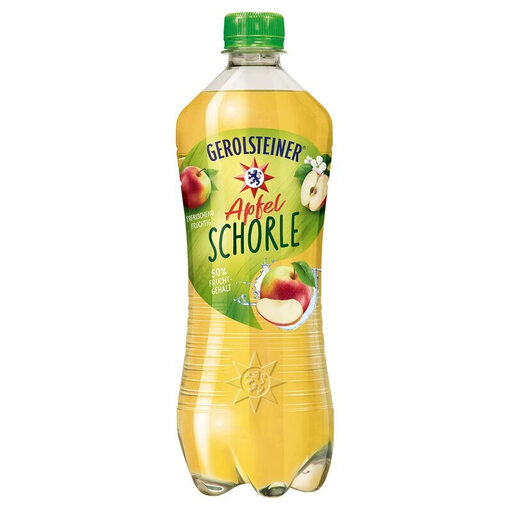
Why this product suits the profile: The recipe contains 50% apple juice and natural mineral water. The six-pack of 0.75-litre bottles is suitable for meals and keeping household supplies stocked.
The stated fruit content means the term apple spritzer can be assessed without further uncertainty.
50% apple juice according to the product information, 24 kcal per 100 ml and 0.75-litre bottles.
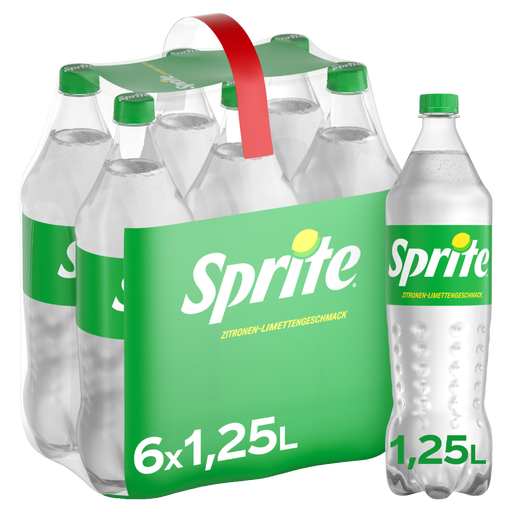
Why this product suits the profile: Six 1.25-litre bottles are designed for families, offices and events where drinks are served regularly. The flavour combines lemon and lime.
The bottle volume and total quantity of 7.5 litres are clearly stated. Once opened, it should be stored in the fridge.
Large 1.25-litre format, six-pack and lemon-lime flavour according to the product description.
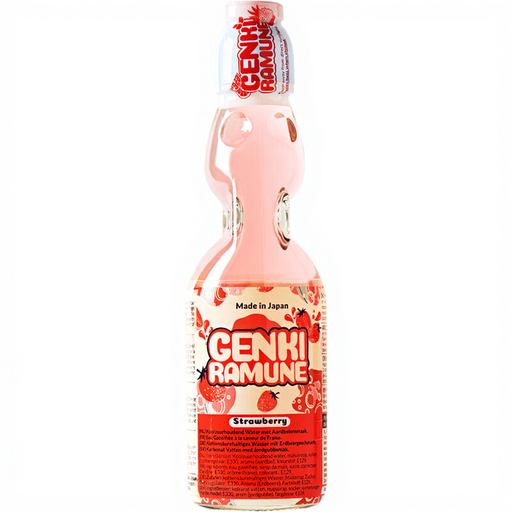
Why this product suits the profile: The 200-millilitre format is suitable for sampling Japanese and Asian drinks, themed evenings or small gift sets. The flavour is described as a sweet-and-sour strawberry variety.
The small individual size reduces the risk of ordering a large supply of an unfamiliar flavour. The ingredients and nutritional values can be checked before purchase.
200-ml bottle, strawberry flavour and distinctive Ramune closure according to the product description.
We have put together a complete, regularly updated list of products that fully meet these strict selection criteria and the safety regulations applicable in the EU.
The best-before date is printed on the packaging. Unopened drinks should be stored in a dry, cool place away from direct sunlight. For international drinks such as Ramune, the printed date may vary depending on the import batch. Once opened, refrigeration and prompt consumption are recommended.
Cans or 0.33-litre bottles are easy to hand out to individual guests. For larger groups, returnable and multipack drinks in 0.75- or 1.25-litre bottles may be a sensible choice. You should also plan for several flavours, such as cola, orangeade, lemon lemonade and apple spritzer. It is best to calculate requirements based on the total quantity in litres rather than the number of individual units.
Not every recipe is the same. Sugar-free products often use sweeteners and generally have a low energy content. Nevertheless, “Light” or “Zero” should always be checked against the nutritional table. If you want to avoid sweeteners, caffeine or certain colourings, you must also read the ingredients list.