
Lieferung heute & morgen

Qualitätsgarantie

Willkommens-Angebote freischalten: KOSTENLOSE Lieferung | Bis zu 80 % RABATT | Kostenlose 30-Tage-JoyPlus-Testphase
App herunterladen
Soju has evolved from a Korean national drink into a global phenomenon, and it's steadily gaining popularity in Germany. However, anyone looking to buy soju for the first time is often faced with a confusing array of options. The variety of brands, flavours, and alcohol strengths can be overwhelming. To avoid making the wrong choice, it's important to understand the common pitfalls.
Many buyers are drawn to appealing bottle designs or vague promises of 'authenticity' without checking the crucial product characteristics. This often leads to disappointment, such as when a soju expected to be mild is too strong, or a fruity soju tastes artificial and overly sweet. Two common problems are:
This guide will help you navigate these challenges and make an informed decision the next time you order soju online.
To find the right soju for you, focus on three objective criteria. These will help you see through marketing claims and objectively assess a product's quality.
Alcohol content is the most important characteristic for classifying a soju's profile. It largely determines whether the spirit is best suited for sipping neat, pairing with food, or using as a cocktail base.
The term Korean spirit aptly describes soju, but the base of the distillate varies. Traditionally distilled from rice, modern soju is now mostly made from more cost-effective ingredients like tapioca, sweet potatoes, or barley. Some newer soju varieties, particularly from brands like OPPA, are even based on a distillate of pear and apple wine. These differences in production influence the spirit's smoothness and subtle underlying flavour.
Established brands like Jinro and Lotte (Chum Churum) are known worldwide for their consistent production quality. Jinro is famous for its bamboo charcoal filtration, which the manufacturer claims results in an exceptionally clean taste. Chum Churum, on the other hand, uses alkaline water, which is said to contribute to a smoother mouthfeel. The choice between these brands is often a matter of personal preference, but both offer a reliable starting point for beginners.
Instead of making a blanket recommendation, we have selected products for different user profiles. This selection is based on the objective criteria mentioned above.
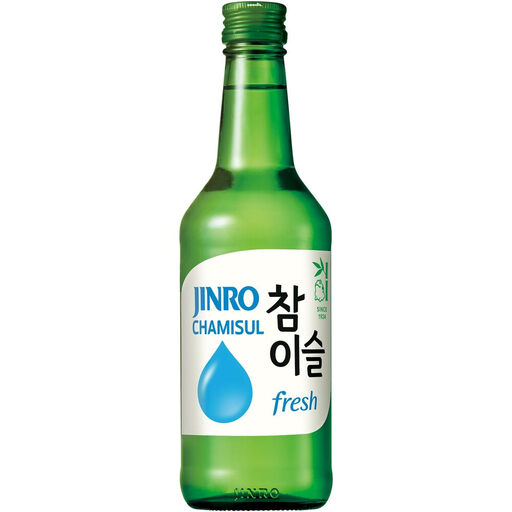
Why This Fits Their Persona: Offers a balanced, clean flavour profile that is considered the modern standard for classic soju. Ideal for getting to know the spirit neat or in simple mixed drinks.
The moderate alcohol content of 16.5% ABV is approachable without being too weak. As an unflavoured soju, it avoids the trap of artificially tasting fruit varieties.
Highly versatile for sipping neat, with food, or as a base for cocktails. Clean and pure flavour profile.
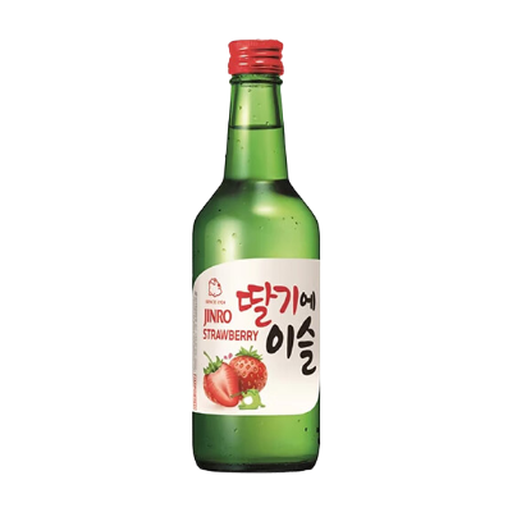
Why This Fits Their Persona: Combines a mild alcohol content with a clear, sweet strawberry flavour. Perfect for parties or as a base for creative, simple drinks.
The clearly defined alcohol content of 13% ABV prevents any surprises. As a product from an established brand like Jinro, it offers reliable flavour quality.
Distinct fruit flavour that shines when served well-chilled, either neat or in mixed drinks. Lower alcohol content for lighter enjoyment.
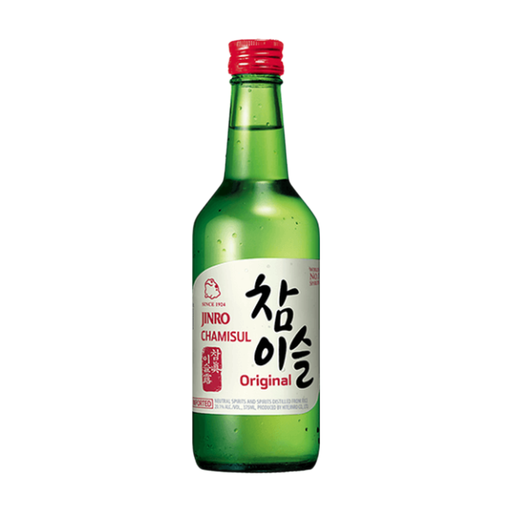
Why This Fits Their Persona: At 20.1% ABV, this version offers a more robust, traditional taste experience reminiscent of other clear spirits, appreciated by seasoned drinkers.
This variety is clearly positioned as a stronger, classic soju, thereby avoiding the trap of overly sweetened products. The focus is on the pure distillate.
Offers a more intense and complex flavour profile for sipping neat, ideal as a companion to hearty dishes like Korean BBQ.
We have compiled a complete, up-to-date list of products that fully meet these strict selection criteria and German regulations.
Soju is traditionally served chilled and neat in small glasses. In Korea, it's customary to refill each other's glasses, but never your own. The glass is held with both hands to show respect. Fruity soju is also often enjoyed on the rocks or mixed with lemonade or yoghurt drinks.
An opened bottle of soju should be tightly sealed and stored in the refrigerator. Due to its alcohol content, it doesn't spoil in the traditional sense, but it does lose its aroma and freshness over time. It is recommended to consume it within a few weeks to a few months to ensure optimal taste quality.
Both are leading soju brands from South Korea but differ in their production process. Jinro filters its soju through bamboo charcoal, which results in a very pure and clean flavour profile. Chum Churum uses alkaline water, which is said to give the soju a special smoothness. The choice is ultimately a matter of personal taste.