
Lieferung heute & morgen

Qualitätsgarantie

Willkommens-Angebote freischalten: KOSTENLOSE Lieferung | Bis zu 80 % RABATT | Kostenlose 30-Tage-JoyPlus-Testphase
App herunterladen
The growing popularity of Korean culture has also sparked interest in authentic Korean beverages in Germany. Whether you're diving into the world of K-Pop and K-dramas or simply appreciate Korean cuisine, you'll often want to enjoy the authentic drinks that go with it. However, the selection can seem overwhelming at first glance. If you're specifically looking to buy soju, you'll face a choice between different brands, flavours, and types.
This guide is here to help. It provides objective information to make your decision easier and help you find the perfect product for your taste and occasion.
Before making a choice, some basic information will help you understand the differences between the products.
Although both are deeply rooted in Korean drinking culture, they are fundamentally different beverages.
Perhaps the most common decision when buying soju is choosing the flavour.
The alcohol content is a useful indicator of the drink's character. Classic soju typically ranges between 16% and 21% ABV. Fruit soju is usually slightly lower, often between 12% and 14% ABV. At around 6% to 8% ABV, makgeolli is considerably milder. This information helps you decide whether you're looking for a drink to sip neat, mix into cocktails, or enjoy as a light accompaniment to a meal.
Based on these criteria, we've curated a selection of products that cater to different tastes and occasions.
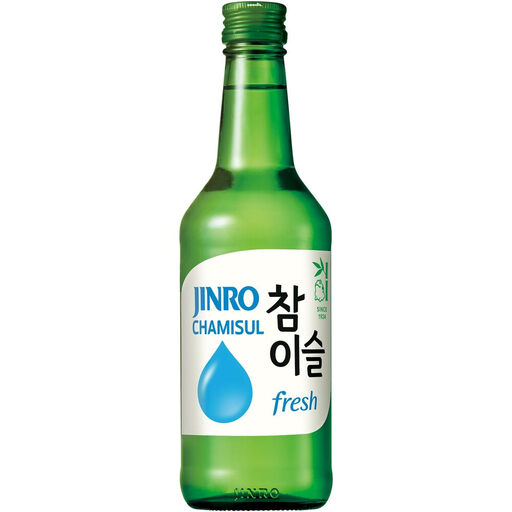
Why It Stands Out: Jinro Chamisul Fresh is one of the most recognised soju varieties worldwide. Its distinction lies in its production process: according to the manufacturer, it is filtered through bamboo charcoal, which is said to result in an exceptionally pure and smooth flavour profile.
Key Features:
Who It's For: This product is a great choice for those seeking the authentic soju experience often seen in Korean films and TV shows. It's also ideal for anyone needing a high-quality base spirit for mixed drinks.
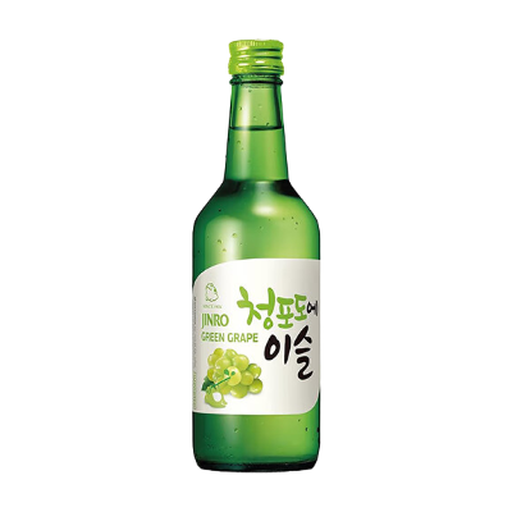
Why It Stands Out: This variety combines the smooth character of Chamisul soju with the sweet and slightly tart aroma of green grapes. Its lower alcohol content makes it a lighter, more approachable drink.
Key Features:
Who It's For: Ideal for newcomers to the world of soju or anyone who prefers sweet, flavoured spirits. Its popularity makes it a safe bet for parties and get-togethers with friends.
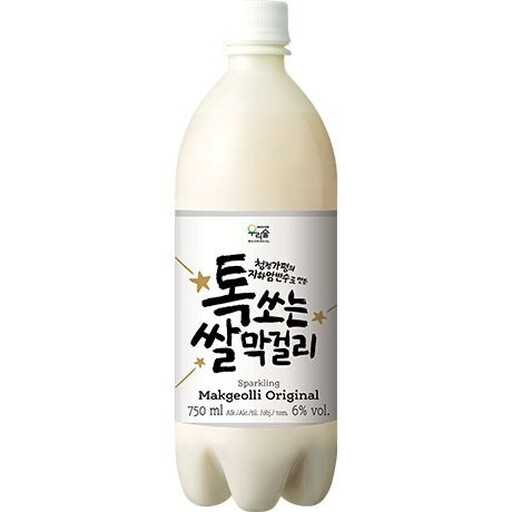
Why It Stands Out: As a traditional Korean rice wine, makgeolli offers a completely different experience. Its milky texture and the sweet-and-sour taste from rice fermentation clearly set it apart from clear spirits.
Key Features:
Who It's For: For connoisseurs of Korean cuisine looking to complete an authentic dining experience. Also for adventurous drinkers who want to discover something new beyond the well-known Korean spirits.
If the products featured here aren't exactly what you're looking for, or if you simply want to explore the full range, you can find a wider selection in our Korean beverages category. There, you can discover more flavours and brands.
Explore our entire range of Korean spirits here.
Traditionally, soju is served well-chilled and neat in small, special soju glasses. It is a common accompaniment to Korean meals, especially grilled dishes. In a social setting, it is customary to refill each other's glasses. More modern variations include using it in cocktails or mixed with beer (Somaek).
In short: Soju is a clear, distilled spirit with a higher alcohol content (typically 13–21% ABV). Makgeolli is a cloudy, unfiltered, and fermented rice wine with a lower alcohol content (approx. 6–8% ABV) and a sweet-and-sour taste.
Classic, unflavoured soju has a very neutral and clean flavour profile. It is slightly sweet with a smoother finish than vodka, to which it is most similar in taste. Its purity and smoothness make it a drink that works well both neat and in mixed drinks.