
Lieferung heute & morgen

Qualitätsgarantie

Willkommens-Angebote freischalten: KOSTENLOSE Lieferung | Bis zu 80 % RABATT | Kostenlose 30-Tage-JoyPlus-Testphase
App herunterladen
If you’re looking to buy soju, you’ll find a wide choice of classic and flavoured varieties online. But Korean soju, fruit soju and brands such as Jinro, OPPA and Chum Churum can vary considerably in alcohol content, bottle size, ingredients and flavour profile. So an attractive bottle doesn’t necessarily mean the drink is right for the occasion you have in mind.
This buying guide explains what to check before you buy and which varieties may suit first-time drinkers, fans of classic spirits or anyone making soju cocktails.
Compared with classic soju, flavoured soju with 12% alcohol often tastes lighter. Its fruity flavour can make it easy to underestimate how much alcohol it contains, though. A 360 ml bottle at 12% vol. contains around 43 ml of pure alcohol. At 16%, 16.5% or 20.1% vol., that amount rises accordingly.
Always check the alcohol content on the label rather than judging by taste alone.
Depending on the product, fruit soju may contain fruit flavourings, concentrates, fruit juices or a blend of these. For example, some products list apple and pear wine as a base, with additional flavourings for lychee, peach, melon or grape.
If you’re looking for a particular base ingredient, compare the product description with the information on the bottle. Terms such as ‘peach flavour’ or ‘grape flavouring’ don’t necessarily mean the drink has a high fruit content.
Many Korean soju bottles contain 360 ml, while some varieties come in 350 ml bottles. The difference may look small, but it matters when comparing the price per litre. You should also take the alcohol content into account: a cheaper product with a larger volume isn’t automatically the right choice if you’re looking for a lighter drink for cocktails or a social evening.
Flavoured varieties with 12 or 13% vol. are often chosen to drink well chilled and neat. These include OPPA Lychee, OPPA Peach, OPPA Blueberry, 7DROPS Melon and Jinro Chamisul Green Grape.
Classic Korean soju is often stronger. Jinro Chamisul Soju Fresh at 16.5% vol. and Jinro Chamisul Classic at 20.1% vol. are better suited to those who prefer a noticeably stronger spirit or want a concentrated base for soju cocktails.
Ingredients vary between brands. For example, Lotte Chum Churum Soju Saero lists water, alcohol, barley spirit, erythritol and steviol glycosides. According to the information available, the product contains barley, a cereal that contains gluten.
Other varieties are described as having no allergens that need to be declared. However, ingredients can change between recipes and packaging batches. If you have an allergy or intolerance, always check the current information on the packaging.
Most products should be stored in a cool, dry place, away from direct sunlight. Flavoured soju is often served well chilled; for OPPA Lychee, for example, a serving temperature of 4 °C is recommended. After opening, reseal and refrigerate the bottle as directed for the product, and drink it promptly.
Soju can be mixed with soda, tonic, lemon or lime juice to make cocktails. Adding mixers doesn’t change the fact that the finished drink still contains alcohol.
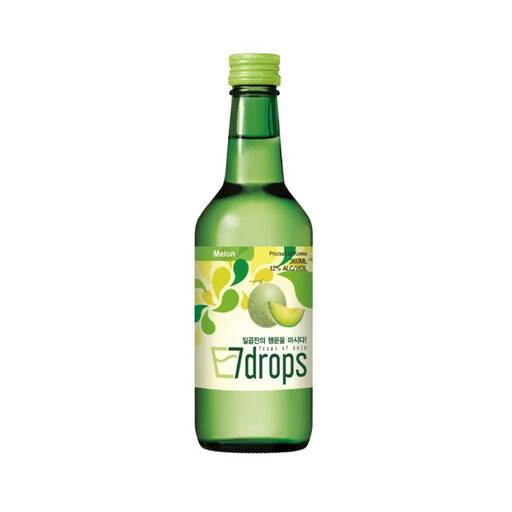
Why this product suits this buyer: The 360 ml bottle has a clearly stated alcohol content of 12% vol. and a melon flavour, making it a good introduction to flavoured soju.
The product details give the volume, alcohol content, ingredients and storage advice, making it easy to compare the bottle with other 12% varieties.
360 ml, 12% vol. and melon flavour; listed as having no declared allergens.
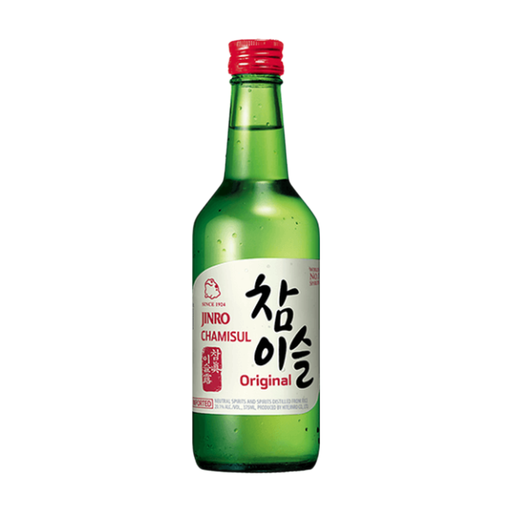
Why this product suits this buyer: This classic variety is aimed at buyers who prefer a higher alcohol content and a neutral soju base without fruit flavouring.
The alcohol content of 20.1% vol. is clearly stated, so buyers can avoid mistaking a fruity 12% variety for classic soju.
Classic flavour, 20.1% vol. and a 360 ml volume stated in the product details; suitable for serving chilled or mixing.
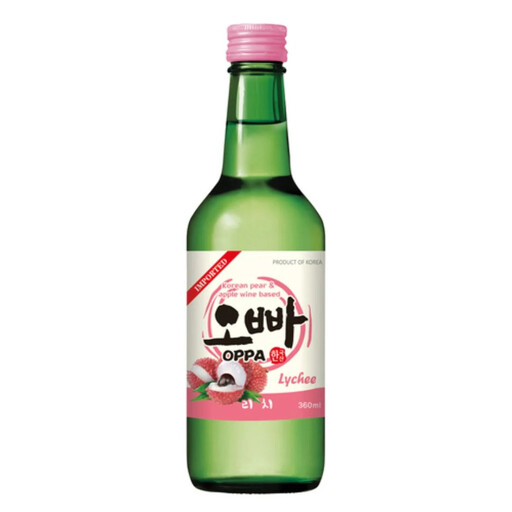
Why this product suits this buyer: Its lychee flavour works well served chilled, over ice or in simple mixes with soda, tonic or citrus juice.
The product description gives the volume, alcohol content, origin, storage advice and serving temperature. This makes it easy to plan recipes and quantities.
Lychee flavour, 12% vol., glass bottle and several suggested ways to serve it.
We’ve put together a complete, regularly updated list of products that meet these strict selection criteria and fully comply with the safety regulations in force in the EU.
For a fruity introduction, try varieties such as peach, lychee, blueberry, cherry, melon or watermelon. If you prefer tangier flavours, consider grapefruit or yuzu varieties. Classic products such as Jinro Chamisul Fresh or Jinro Chamisul Original have a higher alcohol content, so use them accordingly.
If you’re buying for a party, it’s worth working out how much you’ll need based on the bottle size and how you plan to serve it. For soju cocktails, varieties at 12–13% may be easier to measure out; with stronger products, use a smaller amount as your base.
In Germany, alcoholic drinks can only be sold and ordered by people aged 18 or over. Alcohol should be consumed responsibly. Avoid alcoholic drinks altogether during pregnancy. Store bottles out of the reach of children.
Soju is often served well chilled and neat in small glasses. Flavoured varieties can also be served over ice or mixed with soda, tonic and citrus juice. Follow the manufacturer’s specific recommendations and check the information on the packaging.
Store unopened bottles in a cool, dry place away from sunlight, following the best-before date or product instructions. Once opened, flavoured varieties are best kept chilled and consumed promptly. Always follow the instructions provided by the relevant manufacturer.
Flavoured soju at 12 or 13% vol. is often used in cocktails, with lychee, peach, yuzu and grapefruit among the popular flavours. Classic soju at 16.5 or 20.1% vol. can also be used as a base, but needs to be measured carefully. The right choice depends on the sweetness you want, the alcohol content and the mixers you’re using.