
当日/次日达

品质保障

开启新人专享福利: 全场免邮 | 低至 2 折 | 免费试用 30 天 JoyPlus 会员
下载 Joybuy
Soju has evolved from an insider's secret among fans of Korean culture to a mainstay on store shelves. However, the sheer variety of brands and flavours can quickly become overwhelming. Anyone looking to buy soju for the first time often faces the question: What's the difference between Jinro's classic green bottle and a peach-flavoured one from Chum Churum? This guide will help you understand the key characteristics and avoid common pitfalls, so you can find the perfect Korean alcohol to suit your taste.
Soju's growing popularity has led to a wide range of products. However, not all of them deliver on their promise. Here are two common issues that can lead to a poor choice.
To find the right bottle for a social gathering or to enjoy at home, you should consider three key parameters. These will help you objectively evaluate the product's characteristics.
Alcohol content is a crucial criterion that defines the soju's character and intended use. Products can be roughly divided into three categories:
The foundation of any soju is its base distillate. Traditionally, soju was distilled from rice. Today, for cost reasons, other starchy ingredients like tapioca, sweet potatoes, barley, or wheat are often used. The base has a significant impact on the smoothness and neutral character of the final product. Some producers, like Jinro, highlight their filtration methods—such as filtering through bamboo charcoal, which is said to create an exceptionally clean taste. A look at the ingredient list reveals whether it's a pure rice spirit or a distillate from mixed sources.
A few major brands dominate the market. Jinro is considered one of the world's largest spirits producers and is known for its Chamisul line (Fresh and Original) as well as a wide range of fruity sojus. Chum Churum by Lotte is a direct competitor, advertising its use of alkaline water for an especially smooth mouthfeel. Alongside them, brands like OPPA are establishing themselves, specialising in fruity, modern soju varieties. When you order soju online, you have the opportunity to directly compare these different soju varieties.
Instead of a one-size-fits-all recommendation, we've selected products for different needs and occasions.
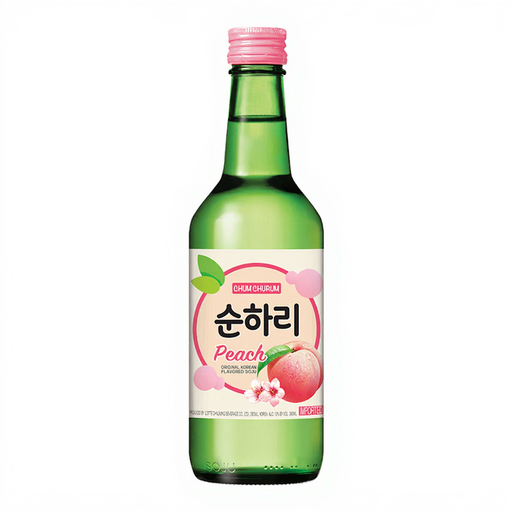
Why it's a great fit: Highly approachable, with a sweet and fruity peach flavour and a moderate alcohol content of 12% ABV. Ideal for beginners, parties, or as a base for simple mixed drinks with lemonade or sparkling water.
It offers a clearly defined peach flavour, which the Chum Churum brand is known for, striking a balance that avoids excessive artificial sweetness.
According to the manufacturer, it's made with alkaline water, which is said to contribute to an exceptionally smooth mouthfeel.
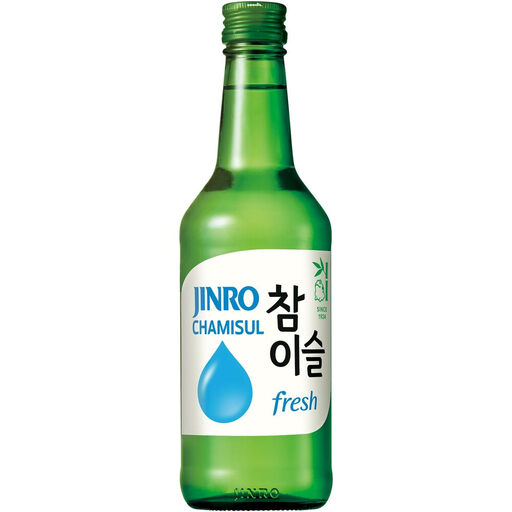
Why it's a great fit: Represents the crisp, clean soju taste that is popular in Korea. Perfect for enjoying neat and well-chilled with Korean dishes like Samgyeopsal (grilled pork belly).
It completely forgoes fruity flavours, focusing instead on the purity of the distillate. According to the manufacturer, the base is filtered multiple times through bamboo charcoal, ensuring a clean taste.
An alcohol content of 16.5% ABV that offers an authentic yet approachable character.
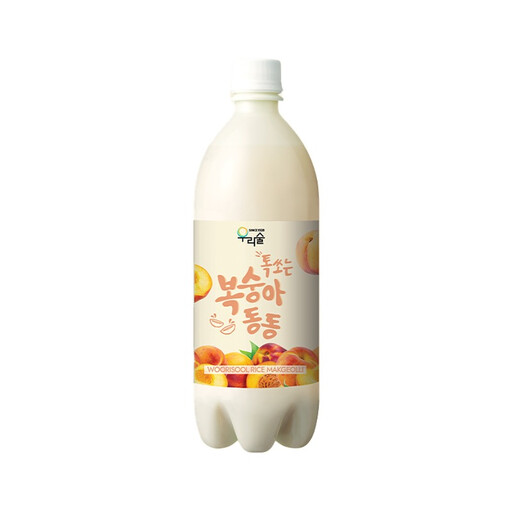
Why it's a great fit: A light, effervescent option for anyone who finds classic soju too strong. Its milky texture and very low alcohol content make it a unique beverage for warm days or as a companion to spicy food.
It directly clears up any confusion. This isn't soju, but makgeolli, a fermented rice wine with a completely different profile—creamy, slightly sweet, and very mild.
A very low alcohol content of just 3% ABV and a refreshing peach flavour in a generous 750ml bottle.
We've compiled a complete, up-to-date list of products that meet these selection criteria. Discover more flavours and brands.
Soju is traditionally served well-chilled and neat in small, special soju glasses. In a group setting, it's customary to pour for others but never for yourself. Fruity soju varieties are also excellent for mixed drinks, for example with yoghurt drinks, beer (Somaek), or lemonade.
The main difference lies in the production process and the final product. Soju is a clear, distilled spirit, similar to vodka but with a lower alcohol content (typically 12–20%). Makgeolli is an unfiltered, fermented rice wine. It is milky, often lightly carbonated, has a sweet and tangy flavour, and a very low alcohol content (typically 3–8%).
An opened bottle of soju should always be stored in the refrigerator. Due to its alcohol content, it has a relatively long shelf life. For fruity varieties, however, it's best to consume them within a few weeks, as the flavours can lose their intensity over time. Classic, unflavoured soju will keep for several months even after opening.